
Pests
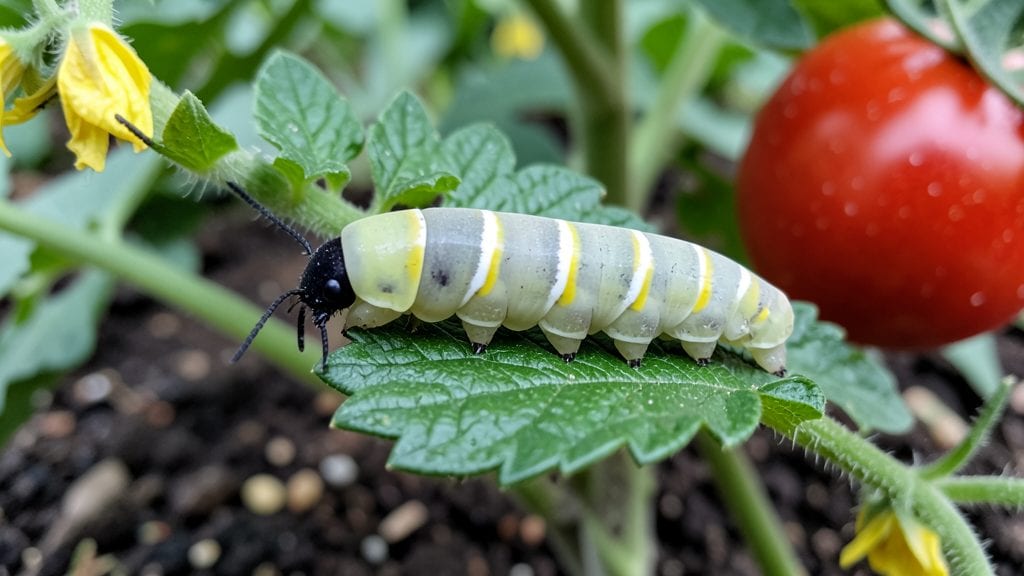
The bugs that like tomato plants—aphids, hornworms, and whiteflies—devour your harvest like a buffet attracts hungry diners, but these natural tricks keep them away before they can. 🌱 I’ve lost entire plants to these critters, but I’ve also learned which barriers work best. even arrive.
The key isn’t just reacting to damage—it’s creating an environment where pests never want to stick around.
Most gardeners focus on sprays or traps after the fact, but the real game-changer is prevention. Healthy plants with strong roots and good airflow naturally repel pests, and companion plants like basil or marigolds send signals that say, “Not welcome here.”
I’ve seen tomato plants thrive for months without a single chewed leaf by using these simple but effective strategies.
By the end of this guide, you’ll know exactly how to identify early signs of trouble—like tiny holes in leaves or sticky residue—and stop pests before they become a full-blown problem.
Your tomatoes will stay lush, productive, and free from the telltale signs of an infestation. Let’s get those plants protected the smart way.
Whether you’re growing in raised beds, containers, or straight in the ground, these methods adapt easily. The best part? You’ll spend less time fighting pests and more time enjoying the fruits of your labor. Here’s how to make it happen.
Nature’s Invitation To Tomato Pests
Tomato plants are a buffet for bugs—not because they’re bad plants, but because they’re packed with nutrients, moisture, and shelter that many insects find irresistible. 🌱🐛 Understanding why these pests flock to your tomatoes is the first step in outsmarting them. Let’s break down the science behind the attraction.
Tomatoes emit volatile organic compounds (VOCs), essentially chemical scents that act like dinner bells for insects. These compounds—like green leaf volatiles (GLVs) and terpenes—signal to pests that a fresh, nutrient-rich meal is nearby.
For example: - Homopterans (like aphids) are drawn to β-caryophyllene, a compound tomatoes release when stressed or damaged. - Whiteflies zero in on jasmonic acid, a chemical tomatoes produce as a defense mechanism—but pests love it. - Colorful flowers (like those on cherry tomatoes) release sugary nectar, luring pollinators and sap-sucking pests like thrips.
Why it matters: Even healthy tomatoes release these signals, making prevention key. 💡 Pro Tip: Interplant tomatoes with basil or marigolds—their strong scents can mask these chemical cues and confuse pests.
Tomato plants provide three critical resources that bugs can’t resist: 1. Water-Rich Leaves & Stems – Soft, juicy foliage is a feast for chewing insects like hornworms and flea beetles.
- Underside Leaf Havens – The rough, hairy texture of tomato leaves creates perfect hiding spots for aphids, spider mites, and whiteflies, shielding them from predators and pesticides.
- Fruit As A Nesting Site – Overripe or damaged tomatoes become breeding grounds for fruit flies and stink bugs, which lay eggs inside the flesh.
Why it matters: Overhead watering or dense foliage can worsen the problem by keeping leaves damp—ideal for fungus gnats and slugs. ✨ Action Step: Prune plants for good airflow and harvest ripe tomatoes promptly to deny pests a free hotel.
Stress makes tomatoes more attractive to pests.
When plants are: - Underwatered → Leaves wilt, releasing stress signals that call in root-knot nematodes and cutworms. - Overfertilized (especially with nitrogen) → Leaves grow soft and tender, a buffet for colorado potato beetles. - Diseased (e.g., early blight, powdery mildew) → Fungal spores and damaged tissue attract sap-suckers like aphids and whiteflies, which feed on weakened areas.
Why it matters: A balanced, organic fertilizer (like compost or fish emulsion) strengthens plants’ natural defenses. 🌡️ Quick Fix: Monitor soil moisture with a moisture meter—consistent hydration reduces stress signals.
Not all pests are year-round guests—some time their visits based on:
- Temperature – Tomato hornworms thrive in warm (70–85°F) nights, while flea beetles prefer cool (50–70°F) springs.
- Rainfall Patterns – Heavy rains wash away natural predators (like ladybugs), leaving aphids and whiteflies unchecked.
- Local Ecosystems – If your garden borders weedy areas or wooded edges, pests like stink bugs and harlequin bugs have easy access.
Why it matters: 📊 Data-Driven Tip: Check your USDA Plant Hardiness Zone and local pest reports to predict peak infestation times—then plan preventive barriers (like row covers) accordingly.
Key Takeaway: Tomato pests aren’t just random visitors—they’re following a chemical trail, seeking shelter, exploiting weakness, and respecting the calendar. By understanding these triggers, you can disrupt their menu plans before they even arrive.
Natural Fixes for Tomato Plant Pests
When pests invade your tomato garden, the good news is that many solutions are simple, effective, and free from harsh chemicals. Below are targeted fixes for common tomato plant pests, along with prevention tips to keep your plants thriving.
Signs: Large green caterpillars with white stripes, chewed leaves, and missing tomato fruits.
How to Fix It: 🔥 Handpick them early – Check your plants daily, especially in the morning. Drop hornworms into a bucket of soapy water to avoid them reproducing.
🍳 Homemade spray – Mix 1 tsp of dish soap + 1 quart of water in a spray bottle. Lightly coat leaves (avoid over-spraying to prevent leaf burn). Reapply every 3–4 days.
👨🍳 Introduce natural predators – Ladybugs, lacewings, and parasitic wasps (like Cotesia congregata) love hornworms. Buy them online or attract them with nectar-rich flowers.
⏰ Prevent future infestations – Plant basil, marigolds, or dill nearby; their scents repel hornworms. Also, remove egg clusters (tiny white ovals on leaves) before they hatch.
Signs: Sticky residue (honeydew), curled leaves, and tiny green/black bugs clustered on stems.
How to Fix It: 🔥 Blast them off – Use a strong stream of water from a hose to dislodge aphids. Repeat every few days.
🥘 Neem oil spray – Mix 1 tbsp neem oil + 1 tsp mild soap + 1 quart of water. Spray directly on pests (test on a small leaf first). Reapply every 5–7 days.
🔪 Encourage wasps & ladybugs – Aphids attract beneficial insects. Plant alyssum, fennel, or yarrow to lure them in.
🌡️ Prevent spread – Isolate infected plants until treated. Remove heavily infested leaves and dispose of them in sealed bags.
Signs: Tiny white moth-like insects fluttering when disturbed, yellowing leaves, and sticky residue.
How to Fix It: 💡 Yellow sticky traps – Hang yellow cards coated in petroleum jelly near plants to catch adults.
🌡️ Reflective mulch – Cover the soil with aluminum foil or reflective plastic to disorient whiteflies.
🎯 Soap spray – Use 1 tsp insecticidal soap per quart of water, spraying undersides of leaves where they hide.
✨ Prevent reinfestation – Quarantine new plants for 2 weeks before introducing them to the garden. Remove weeds (they harbor whiteflies).
Signs: Orange-and-black striped larvae (and adults) devouring leaves, leaving skeletonized foliage.
How to Fix It: 🔥 Handpick adults & larvae – Drop them into soapy water. Check under leaves where they hide.
🍳 Diatomaceous earth (DE) – Sprinkle food-grade DE around the base of plants. It dehydrates beetles but is harmless to humans.
👨🍳 Row covers – Use floating row covers early in the season to block adults from laying eggs.
⏰ Prevent future damage – Rotate crops (don’t plant tomatoes or potatoes in the same spot yearly). Remove egg clusters (tiny orange ovals on leaf undersides).
Signs: Irregular holes in leaves, silvery slime trails, and missing fruit.
How to Fix It: 🔥 Beer traps – Bury a small container filled with beer near plants. Slugs crawl in and drown.
🥘 Copper barriers – Place copper tape around raised beds or containers. The electric charge repels slugs.
🔪 Eggshells & coffee grounds – Crush eggshells or sprinkle used coffee grounds around plants. The sharp edges deter slugs.
🌡️ Handpick at night – Use a flashlight to spot and remove slugs after dusk.
- Healthy plants resist pests – Ensure proper watering, sunlight, and fertilization (over-fertilizing attracts aphids).
- Crop rotation – Avoid planting tomatoes in the same spot yearly to break pest cycles.
- Interplant with repellents – Basil, marigolds, nasturtiums, and onions deter many common tomato pests.
- Inspect regularly – Catch problems early with weekly garden checks, especially after rain (pests are more active).
By combining manual removal, natural sprays, and preventive planting, you can keep your tomato plants thriving without harsh chemicals. Happy gardening! 🌱🍅
Frequently asked questions about tomato plant pests
Which bugs are the most destructive to tomato plants?
Tomato hornworms, aphids, and whiteflies rank as the top three most destructive pests. Hornworms can defoliate plants in days, while aphids and whiteflies weaken plants by sucking sap, leaving sticky residue that attracts mold. Flea beetles and Colorado potato beetles also cause significant damage by chewing leaves.
How do I tell if my tomato plants have pests?
Look for chewed leaves, sticky honeydew (aphid/whitefly sign), tiny holes (flea beetles), or white egg clusters on undersides (hornworms). Check leaf undersides daily—pests hide there. Yellowing leaves or wilting can also signal an infestation.
Are there any natural ways to repel pests without chemicals?
Plant basil, marigolds, or nasturtiums near tomatoes—their strong scents confuse pests. Use neem oil spray (1 tbsp oil + 1 tsp soap per quart of water) or introduce ladybugs/lacewings (natural predators). Row covers also block flying insects during early growth.
Why do some tomato plants attract more pests than others?
Stressed plants (underwatered, overfertilized, or diseased) release chemical signals that pests love. Healthy plants with good airflow and balanced nutrients resist attacks better. Avoid overhead watering—wet leaves attract slugs and fungus gnats.
Can I save a tomato plant already heavily infested with pests?
Yes, but act fast! Isolate the plant, remove heavily infested leaves, and apply insecticidal soap or neem oil. For severe cases, prune back damaged foliage to encourage new growth. If the plant is beyond recovery, remove it entirely to prevent spreading.