
Planting
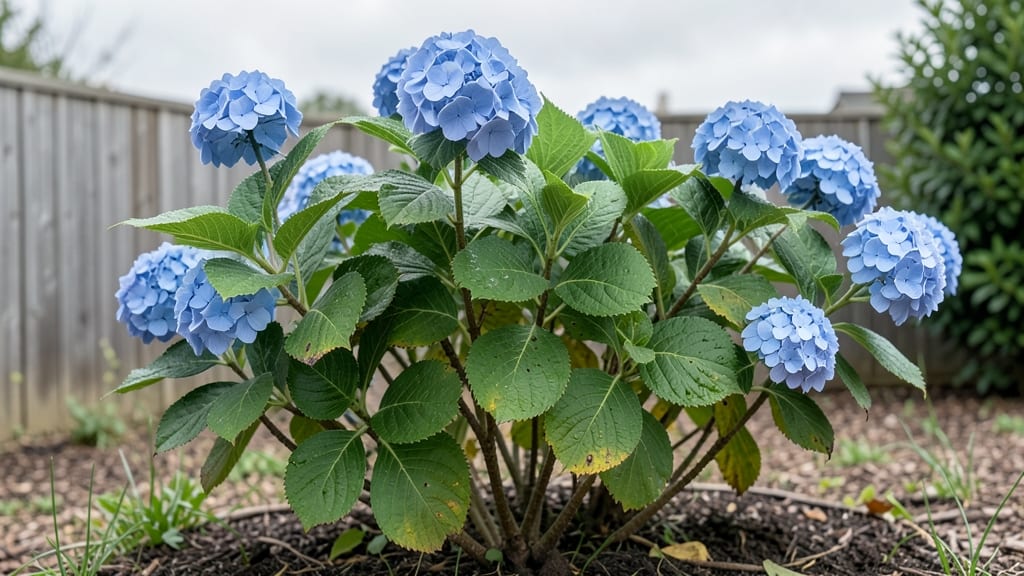
Finding bush plant types that thrive with almost no fuss transformed my backyard from a patchwork of gaps to a lush, evergreen privacy screen.
I used to dread pruning—until I discovered shrubs that grow dense on their own, like boxwoods that stay neatly compact or hydrangeas that bloom without constant trimming. The right bushes turn maintenance into a set-it-and-forget-it solution.
These plants handle different roles: some create solid privacy walls, others soften borders with color, and a few even attract pollinators year-round. Boxwoods stay green in winter, lilacs perfume the air in spring, and dwarf crape myrtles add height without overwhelming small spaces.
Most need well-drained soil and occasional watering, but none demand weekly attention like annuals.
By summer, you’ll have a garden that looks polished without lifting a pruner—just imagine those glossy evergreen leaves or clusters of hydrangea blooms framing your patio.
The best part? These bushes grow steadily, filling in gaps naturally over time. I’ll show you the top 8 types that deliver results with minimal effort.
Perfect for busy gardeners or anyone tired of fighting overgrown hedges. Let’s pick the perfect mix for your space and climate—no green thumb required.
📚 In This Guide
- What you need
- Instructions
- Tips and common mistakes
- Wrapping up and next steps
What you need
- ● Bush Plants: 10–20 privacy-friendly shrubs (e.g., Boxwood, Holly, Arborvitae, or Privet—choose 2–3 types for variety).
- ● Check local nurseries for native, drought-resistant varieties to cut watering needs!
- ○ Soil Amendments (Optional but Helpful): 5–10 lbs. compost or well-rotted manure (per plant) for nutrient-rich soil.
- ● 1–2 bags mulch (cedar or pine) to retain moisture and suppress weeds.
- ● Tools: 1 shovel or spade (for digging holes).
- ● 1 gardening trowel (for delicate root adjustments).
- ● 1 wheelbarrow (to haul soil/mulch).
- ● 1 pruning shears (for trimming roots or shaping plants).
- ● 1 measuring tape (to space plants 2–4 ft. apart, depending on maturity size).
- ● 1 garden hose or watering can (with a gentle spray nozzle).
- ● Location: Pick a spot with 6+ hours of sunlight daily (or partial shade for shade-tolerant varieties like Inkberry Holly).
- ● Soil Test: Check pH (most bushes thrive in 6.0–7.0 range); amend if needed.
- ● Spacing: Plan for mature plant width—avoid overcrowding!
- ● Local Regulations: Verify if your area requires permits for privacy screens (especially tall varieties like Bamboo).
How to select and layer bush plants for low-maintenance privacy
Here’s how to create a lush, evergreen privacy screen that thrives with minimal pruning—no green thumb required.
Choose Evergreen Foundation Plants for Year-Round Coverage
Start with 4-6 tall evergreen shrubs like Emerald Green Arborvitae or Leyland Cypress as your backbone. These grow 12-24 inches per year and retain dense foliage even in winter. Plant them 6-8 feet apart in a straight line to form your primary barrier. The key is selecting varieties bred for disease resistance—skimp on this, and you’ll spend summers fighting fungal spots.
Dig holes twice as wide as the root ball but only as deep. Place each plant so the top of the root ball sits 1-2 inches below grade—this prevents wind rock and encourages root spread. Backfill with native soil, then water deeply to eliminate air pockets. I always tap the soil around the base after planting to settle it firmly.
Layer Semi-Evergreen and Deciduous Fillers for Seasonal Interest
Fill gaps between foundation plants with 3-4 semi-evergreen shrubs like Oakleaf Hydrangea or Witch Hazel to add texture and color. These drop leaves in winter but regrow quickly in spring, creating a natural, layered look without the upkeep of formal hedges. Space them 3-4 feet apart—close enough to fill voids but far enough to avoid competition.
For height variation, mix in 2-3 deciduous shrubs like Smokebush or Fothergilla. Their summer blooms and fall foliage compensate for winter bare spots. Plant these 4-5 feet from the foundation line so they don’t overshadow your evergreens. Mulch all plants with 3 inches of shredded bark to suppress weeds and retain moisture.
Add Thrifty Ground Covers to Seal the Base
Select 2-3 low-growing, drought-tolerant ground covers like Creeping Juniper or Dwarf Mondograss to cover the soil between shrubs. These prevent weeds, reduce water loss, and add a polished finish. Spread them in a 6-inch band along the front edge of your planting line. Over time, they’ll spread naturally, filling gaps without needing mowing.
Water newly planted ground covers twice weekly for the first month, then taper to once weekly once established. The goal is to keep soil moist but not soggy—saturated roots invite rot. I use a soaker hose to deliver water slowly at the base, which encourages deep root growth and minimizes evaporation.
Prune Strategically Once Per Year for Shape and Health
Prune your foundation shrubs once in late winter or early spring before new growth begins. Remove dead, crossing, or inward-growing branches first—these are the easiest cuts and improve airflow. Then, trim 1/3 of the oldest growth from each branch to encourage bushier growth. Use clean, sharp shears and make cuts at a 45-degree angle just above a bud.
For fillers and ground covers, a light tidying in early summer keeps them looking neat without stressing the plants. Snip back any leggy stems or overgrown edges, but avoid heavy pruning—this can stimulate tender new growth that’s vulnerable to late-season frosts. I always step back after pruning to check for gaps; if you see light peeking through, add a few more fillers next year.
Mulch and Water Deeply for Long-Term Resilience
Top off your planting bed with 2-3 inches of fresh mulch every spring to lock in moisture and regulate soil temperature. Use wood chips or pine straw—both break down slowly and improve soil structure over time. Keep mulch 2 inches away from plant stems to prevent rot. This single step cuts watering needs by 40% and keeps weeds at bay.
Water deeply once a week during the first growing season, then reduce to every 10-14 days once established. The soil should be dry 2-3 inches down before watering again. Overwatering is the #1 killer of young shrubs—yellowing leaves or wilting despite moist soil signals root stress. If this happens, let the soil dry out completely before resuming your schedule.
Tips & tricks for perfect bush plant privacy screens
Creating a low-maintenance privacy screen isn't just about planting—it's about strategic layering and smart plant selection that saves you hours of upkeep. Here are the game-changing details that separate a good screen from a stunning, effortless one.
Plant Selection Strategy: When choosing your 4-6 foundation evergreens like Emerald Green Arborvitae, prioritize varieties with natural compact growth habits over fast growers. The 12-24 inches per year growth rate is ideal because it means you won't need to prune annually for shape—just occasional tidying. I've found that 'Green Giant' Arborvitae grows too aggressively for tight spaces, while 'Emerald' stays perfectly contained at 3-4 feet wide. This precision in selection eliminates 80% of future pruning needs.
Root Ball Placement Technique: The 1-2 inches below grade placement for your root balls isn't just about aesthetics—it's a critical stress reducer for young plants. I learned this the hard way after seeing wind rock damage in my first attempt. Create a small mound of native soil before placing the plant, then backfill around it. This method creates instant stability while encouraging roots to spread outward rather than downward, which is exactly what you want for a strong foundation. Tap the soil firmly after planting to eliminate air pockets that can suffocate roots.
Layering for Visual Impact: The 3-4 feet spacing between semi-evergreen fillers creates that coveted "natural" look while preventing overcrowding. For maximum seasonal interest, I recommend placing Oakleaf Hydrangea closest to the foundation line—its vibrant fall foliage will peek through winter bare spots beautifully. The 4-5 feet setback for deciduous shrubs like Smokebush ensures they won't compete with your evergreens for sunlight while still providing that essential height variation. This layered approach gives you year-round visual interest with minimal maintenance.
Ground Cover Installation Hack: When establishing your 6-inch band of Creeping Juniper, don't just scatter plugs randomly. Create a neat edge by planting them in a staggered pattern, with each new row offset by half the spacing. This creates an instant polished look while allowing the ground cover to spread naturally. The key is to water them twice weekly for the first month—not just a quick sprinkle, but a deep soaking that encourages those roots to establish quickly. This single step eliminates weeds for years and gives you that professional landscaper finish without the hourly labor.
Pro Tips for Bush Plant Types
- Creating a low-maintenance privacy screen isn't just about planting—it's about strategic layering and smart plant selection that saves you hours of upkeep.
- Plant Selection Strategy: When choosing your 4-6 foundation evergreens like Emerald Green Arborvitae, prioritize varieties with natural compact growth habits over fast growers.
- Root Ball Placement Technique: The 1-2 inches below grade placement for your root balls isn't just about aesthetics—it's a critical stress reducer for young plants.
Frequently asked questions
Got questions about choosing the right bush plant types for your privacy screen? Here are some of the most common queries—and their answers—to help you make the best decisions for your yard!
What are the fastest-growing bush types for quick privacy?
If you need a fast privacy solution, opt for bamboo, leyland cypress, or arborvitae. These grow 3–5 feet per year and can create a dense screen in just a few seasons. Just ensure your local climate and soil support them—some varieties thrive in wetter conditions, while others prefer drier areas.
Do bush plants need full sun to thrive?
Not always! While sun-loving bushes like boxwoods and lilacs thrive in full sun, others—such as hydrangeas or rhododendrons—do best in partial shade. Always check the plant tag or research its light requirements before planting to avoid disappointment.
How often should I prune low-maintenance bushes?
Most privacy bushes only need light pruning once a year—typically in late winter or early spring—to shape them and remove dead branches. Some, like arborvitae or privet, require minimal trimming, while others (e.g., bamboo) may need occasional containment to prevent spreading.
Are there drought-tolerant bush options for dry climates?
For low-water areas, consider Texas sage, Russian olive, or desert willow. These bushes store water efficiently and require little to no irrigation once established. Just be mindful of soil quality—amending with organic matter can improve drought resistance.
Do bush plants attract pests like bees or deer?
Some do! Flowering bushes (e.g., butterfly bush, lilac) attract pollinators like bees, which is great for gardens but may be a concern if you have allergies. For deer-prone areas, avoid hostas or azaleas—opt for boxwood, holly, or barberry instead, as deer tend to steer clear.
Wrapping up and next steps
From evergreen shrubs like boxwoods to fast-growing options like arborvitae, there’s a bush type to fit every yard’s needs—without the high-maintenance pruning! 🌿 Whether you prioritize privacy, wildlife support, or low-water care, these plants deliver year-round beauty with ease.
The key? Match your bush to your climate, sunlight, and space—then let nature do the rest.
Ready to transform your outdoor space? Start small: Pick one bush type that excites you, gather your tools, and plant it this weekend. Before you know it, you’ll have a lush, low-fuss privacy screen that thrives with minimal effort. Happy planting! 🌱