
Companion Plants
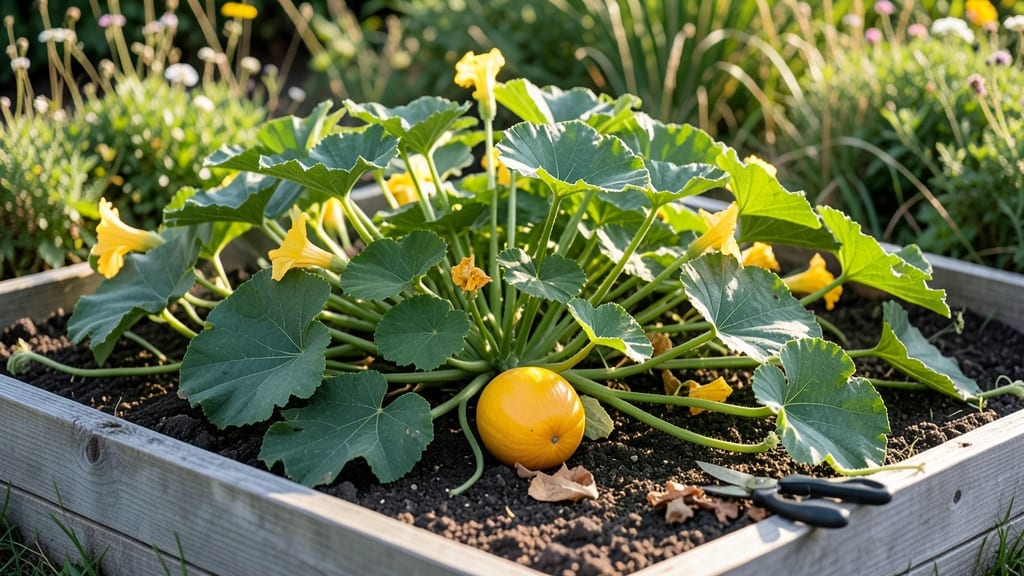
Growing buttercup squash plants might sound intimidating, but their pest-repelling superpowers make them worth the effort. 🌱 I learned the hard way that these squash aren’t just productive—they act like natural bodyguards for your garden, keeping pests at bay while you harvest sweet, golden fruits.
The secret lies in their strong vines and natural resistance, which I’ll show you how to maximize from seed to harvest.
Start with well-draining soil rich in compost, and plant seeds 1 inch deep after the last frost when soil reaches 60°F. Buttercup squash thrives in full sun (6-8 hours daily) and needs 2-3 feet of space to sprawl—think of it like giving them room to stretch their pest-fighting legs.
The key is consistency: water deeply 1-2 times per week, keeping soil moist but never soggy, to prevent diseases that love damp leaves.
What you’ll love most is how these plants outperform other squash varieties. Their thick skins deter squash bugs, and their strong scent confuses pests trying to find your other veggies.
By mid-summer, you’ll be harvesting 3-5 pound fruits that store for months—plus, the vines act as a living mulch, suppressing weeds naturally. The first harvest is the sweetest reward after all that pest protection.
Works best in USDA Zones 3-10, but even in cooler climates, a black plastic mulch extends the season. Pair them with beans or corn for a three-sister garden effect, and watch how your entire plot thrives. Ready to turn your garden into a pest-free zone?
📚 In This Guide
- What you need
- Instructions
- Tips and common mistakes
- Wrapping up and next steps
What you need
- ● Buttercup squash seeds: 3–5 seeds per plant (or 1–2 seedlings if starting with transplants). Look for heirloom varieties like Buttercup or Waltham Butternut for best results.
- ● Garden soil: Well-draining, rich in compost (aim for a pH of 6.0–6.8). Amend with aged compost (1–2 gallons per planting hole) or worm castings for nutrient boost.
- ● Fertilizer: Balanced organic fertilizer (e.g., 5-5-5 or 10-10-10) – 1 tbsp per plant at planting time.
- ● Slow-release organic fertilizer (e.g., bone meal or fish emulsion) – 1 tbsp every 4–6 weeks during growing season.
- ● Mulch: Straw or shredded leaves (2–3 inches thick) to retain moisture and deter weeds.
- ● Watering can or hose: With a gentle spray nozzle to avoid damaging seedlings.
- ○ Garden twine or stakes: (Optional but helpful) 3–4 ft tall to support vines as they grow.
- ● Row covers: Lightweight fabric (e.g., frost cloth) to protect young plants from pests like squash bugs.
- ● Companion plants: Nasturtiums, marigolds, or borage (plant near buttercup squash to enhance pest control).
- ● Neem oil spray: For preventative pest control (mix 1 tbsp neem oil + 1 tsp mild soap + 1 quart water).
- ● Pruning shears: To trim yellowing or diseased leaves and encourage airflow.
- ● Garden journal: To track planting dates, watering schedules, and pest sightings!
Step-by-Step instructions for planting and cultivating buttercup squash
Here's how to grow these hardy, pest-deterring squash with minimal fuss and maximum yield.
🌱 Step 1: Prepare the Planting Site
Buttercup squash thrives in well-draining soil with plenty of organic matter. Work the 3 gallons of compost into the top 12 inches of soil in your chosen bed, breaking up any compacted areas. Buttercup squash prefers slightly acidic to neutral soil (pH 6.0-7.0), so test your soil if possible—amending with compost usually brings it into range.
Choose a location that receives full sun (6-8 hours daily) and has space for vines to spread 3-4 feet in all directions. I like to plant mine near corn or beans—they provide shade for the squash later in the season while benefiting from the squash's pest-repelling properties. Avoid planting where cucurbits (squash, pumpkins, melons) grew the previous year to prevent disease buildup.
🪴 Step 2: Plant Seeds at the Right Depth and Spacing
Sow 4 seeds (as per your serving size) 1 inch deep in a small hole, spacing them 2-3 feet apart in a 4-foot-wide row. Buttercup squash has large leaves and sprawling vines, so proper spacing prevents overcrowding and disease. If you're planting in rows, space rows 5-6 feet apart to allow for vine spread and easy access for harvesting.
Water the soil thoroughly before planting to help seeds settle. After planting, water again to ensure good seed-to-soil contact. I like to use a soaker hose for this—it delivers water gently without disturbing the seeds. Cover the area with 2-3 inches of straw mulch to retain moisture and suppress weeds, which is especially helpful in hot, dry climates.
☀️ Step 3: Provide Consistent Care Through Germination and Early Growth
Keep the soil consistently moist but not soggy during germination, which typically occurs in 7-14 days depending on soil temperature. Buttercup squash seeds germinate best in soil that's at least 60°F, so if your spring is cool, consider using a black plastic mulch to warm the soil faster. Once seedlings emerge, thin to 2-3 strongest plants per location, snipping weaker ones at soil level rather than pulling to avoid disturbing roots.
Fertilize lightly when seedlings have 2-3 true leaves using a balanced organic fertilizer (10-10-10) at half strength. Buttercup squash is a heavy feeder, but too much nitrogen early on encourages leafy growth at the expense of fruit production. Water at the base of plants in the morning to prevent fungal diseases, and avoid wetting the leaves. You'll know your plants are thriving when they develop large, lobed leaves and begin to vine vigorously.
🌿 Step 4: Monitor for Pests and Encourage Fruit Production
Buttercup squash naturally repels many pests, but you may still spot squash bugs or cucumber beetles. Handpick them early in the day when they're sluggish, or use neem oil as a preventive spray. The key to a bountiful harvest is consistent care: water 1-2 inches per week, more during fruit development. When flowers appear, gently hand-pollinate them by transferring pollen with a small brush—this ensures better fruit set, especially in cool or rainy weather.
Watch for first true fruit around 50-60 days after planting. Buttercup squash matures when the skin turns a deep yellow and the rind is hard. Harvest promptly—they store well for 2-3 weeks in a cool, dark place. If you leave them on the vine too long, they'll turn woody and lose flavor. I like to harvest in the morning when the fruit is cool, as this helps preserve freshness longer.
Tips & tricks for perfect buttercup squash cultivation
A few key strategies will help you maximize your buttercup squash yield while keeping pests at bay—these are the tricks I've learned after years of trial and error in my own garden.
Soil Preparation Secret: The 3 gallons of compost you're mixing into the top 12 inches of soil isn't just about nutrients—it's about creating the perfect air-to-water ratio. I like to add a handful of perlite to this mix to improve drainage, especially if your native soil tends to compact. Buttercup squash roots need that oxygen flow to develop properly, and compacted soil can lead to root rot even if you're following all other steps correctly.
Germination Timing: Those 7-14 days for germination can feel like an eternity, but there's a trick to speed things up if your spring is cool. After planting your 4 seeds 1 inch deep, cover them with a clear plastic dome or even a cut-open plastic bottle. This creates a mini greenhouse effect that can raise soil temperature by 5-10°F above ambient—critical when you're aiming for that minimum 60°F threshold. Just remember to remove it once sprouts appear to prevent fungal issues.
Pest Prevention Strategy: While buttercup squash naturally deters many pests, I've found that combining the neem oil spray with a simple companion planting trick works wonders. Plant a ring of nasturtiums around your squash—these act as a sacrificial trap crop for aphids and other pests that would otherwise target your squash. The nasturtiums are tougher and more attractive to pests, giving your buttercup squash a fighting chance. This works particularly well in Step 4 when you're monitoring for squash bugs.
Harvesting Cues: The 50-60 day window for first fruit might seem broad, but there are visual cues that take practice to spot. Look for the skin to develop a deep yellow hue with a slight sheen—this indicates proper ripening. More importantly, press your thumbnail against the rind: if it doesn't puncture easily, that's your sign to harvest. I've learned the hard way that waiting just a few more days can turn that tender flesh into a tough, woody texture that's nearly inedible. Harvesting in the morning also helps preserve that freshness, as the fruit has had a full night to cool down.
Pro Tips for Buttercup Squash Plants
- A few key strategies will help you maximize your buttercup squash yield while keeping pests at bay—these are the tricks I've learned after years of trial and error in my own garden.
- Soil Preparation Secret: The 3 gallons of compost you're mixing into the top 12 inches of soil isn't just about nutrients—it's about creating the perfect air-to-water ratio.
- Germination Timing: Those 7-14 days for germination can feel like an eternity, but there's a trick to speed things up if your spring is cool.
Frequently asked questions
Got questions about growing buttercup squash plants? You’re not alone! Whether you're a first-time gardener or a seasoned pro, these answers will help you grow thriving, pest-resistant squash in your garden. Let’s dive in:
How long does it take for buttercup squash plants to mature?
Buttercup squash typically takes 75–90 days to reach maturity from seed. If you’re starting with transplants, expect harvests in 60–75 days. For a continuous supply, plant seeds every 2–3 weeks during warm weather (after the last frost). Patience pays off—these squash grow quickly once established!
What pests are most attracted to buttercup squash, and how do I prevent them?
Common pests include cucumber beetles, squash bugs, and aphids. To deter them, use row covers early in the season, plant companion plants like marigolds or nasturtiums, and handpick eggs or adults when possible. Neem oil or insecticidal soap can also help. Buttercup squash is naturally resistant to some pests, but vigilance is key!
When is the best time to plant buttercup squash seeds?
Wait until the soil is at least 60°F (15°C) and all frost danger has passed. In most regions, this means late spring to early summer (April–June). For warmer climates, you can plant as early as February–March. Direct sow seeds 1 inch deep, 2–3 feet apart, in hills for better drainage and airflow.
Can I grow buttercup squash in containers, or do they need a garden bed?
Yes! Buttercup squash thrives in large containers (at least 12–18 inches deep) with good drainage. Use 5-gallon pots or fabric grow bags for each plant, and place them in full sun. Just ensure the container stays moist but not waterlogged. Containers work well for patios or small spaces—just give them room to sprawl!
What can I do if my buttercup squash flowers aren’t producing fruit?
Poor fruiting often stems from lack of pollinators, heat stress, or uneven watering. Hand-pollinate flowers with a small brush if bees are scarce. Ensure consistent watering (1–2 inches per week) and avoid over-fertilizing with nitrogen (too much = more leaves, fewer flowers). Male flowers (with stems) appear first—let them go to encourage female flowers (with tiny squash at the base).
Are there any good alternatives to buttercup squash for pest control?
Other pest-repelling squash varieties include zucchini, hubbard, and delicata squash. For non-squash options, try bush beans, radishes, or herbs like basil and dill, which deter pests and attract beneficial insects. Buttercup squash stands out for its compact growth and resistance, but variety is key in a thriving garden!
Wrapping up and next steps
Growing buttercup squash plants in your garden isn’t just about adding vibrant color—it’s a smart, natural way to protect your other plants from pests while boosting your harvest! 🌱 Their hardy nature and pest-repelling properties make them a must-have companion for any gardener.
With the right care, you’ll enjoy a thriving garden and delicious, homegrown squash.
Ready to get started? Plant your buttercup squash seeds this season and watch your garden flourish—nature’s pest control at its finest! 🌿