Companion Plants
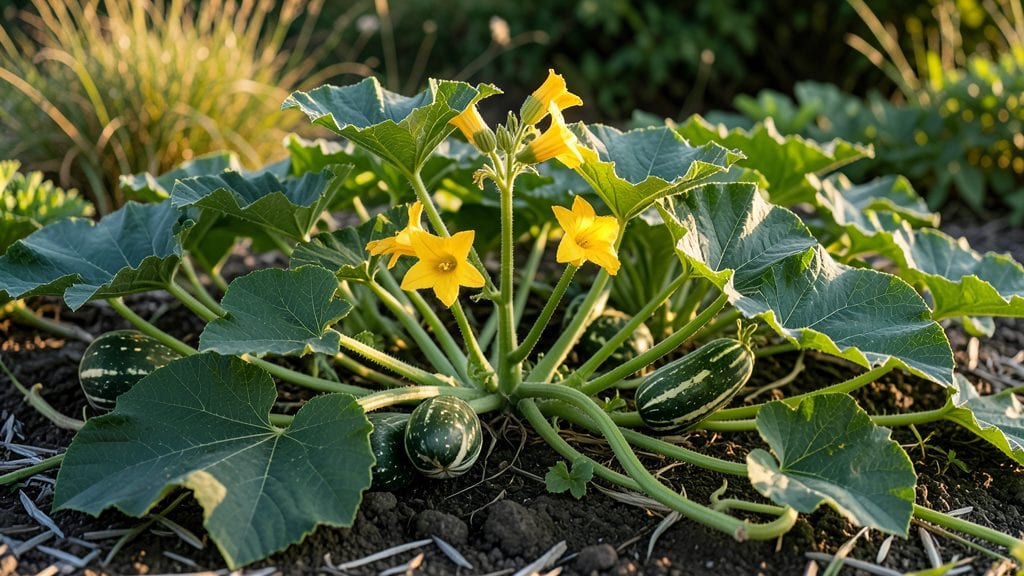
Growing Delicata squash plants means you get sweet, nutty squash that handles cooler weather better than most varieties—and no trellis needed. 🌱 I learned the hard way that planting too early in my zone 5 garden leads to wilted vines, but once I timed it right, these became my easiest squash to grow.
The secret lies in their cold tolerance and bushy growth habit. You’ll need well-draining soil rich in compost, full sun for at least 6 hours daily, and consistent moisture—about 1-2 inches per week. Spacing plants 3-4 feet apart gives their sprawling vines room to stretch without crowding.
By midsummer, you’ll harvest ribbed, edible-skinned squash that stores like a dream. The flavor? Richer than butternut with a hint of chestnut. Plus, they resist common squash diseases better than many varieties, so you spend less time troubleshooting and more time enjoying the harvest.
Works beautifully alongside beans, corn, or lettuce in a three-sisters garden setup. Even beginners grow these successfully—just don’t rush the planting date. Here’s how to make it foolproof for your climate.
📚 In This Guide
- What you need
- Instructions
- Tips and common mistakes
- Wrapping up and next steps
What you need
- ● Delicata squash seeds: 3–5 seeds per plant (or 1–2 seeds per hill if planting in groups). Choose cold-hardy varieties like ‘Moonlight’ or ‘Sweet Dumpling’.
- ● Well-draining soil: A mix of 60% topsoil, 30% compost, and 10% perlite or sand (pH 6.0–7.0). Test soil fertility beforehand!
- ● Compost or aged manure: 2–3 cups per planting hole for nutrient-rich soil.
- ● Mulch: Straw or shredded leaves (2–3 inches thick) to retain moisture and suppress weeds.
- ○ Organic fertilizer (optional but recommended): Balanced 10-10-10 or a squash-specific blend (follow package rates).
- ● Garden trowel or transplanting spade
- ● Gloves (to protect hands from prickly vines)
- ● Watering can or hose with a gentle spray nozzle
- ● Row cover or frost cloth (for early planting in cool climates)
- ● Pruning shears (for managing vines if needed)
- ● Full sun exposure (6–8 hours daily)
- ● Space: 3–4 feet between plants (or 5–6 feet for bushier varieties)
- ● Warm soil (60°F+ for germination; use a soil thermometer to check)
- ● Patience! Delicatas take 80–100 days to mature.
How to grow Delicata squash plants in any climate
This cold-tolerant variety grows faster than most squash—here’s how to get four thriving plants from seed to harvest.
🌱 Step 1: Start Seeds Indoors 4-6 Weeks Before Last Frost
Delicata squash seeds germinate best at 75-85°F, so I use a seedling heat mat if my home runs cooler. Fill 4-inch peat pots with the 2 gallons of seed-starting mix (sterile is critical—this prevents damping-off). Press the soil down gently until firm, then plant 2 seeds per pot just 1 inch deep. Cover lightly with extra mix, and mist the surface until evenly damp.
Here’s the thing—Delicata seeds are larger than typical squash seeds, so don’t bury them too deep. The rule is: depth equals seed diameter. Place the pots in a warm, bright spot (a sunny windowsill works if you supplement with a grow light). Keep the soil consistently moist—not soggy, not dry—until germination, which takes 5-10 days.
☀️ Step 2: Harden Off and Transplant After All Danger of Frost
Two weeks before your last frost date, move the pots outside during the day to harden off the seedlings. Start with 1-2 hours of morning sun in a sheltered spot, then gradually increase exposure. By day 10, they should tolerate a full day outside. Delicata squash handles cooler temps better than most varieties, but never let soil temps drop below 50°F—roots will struggle to absorb moisture.
When nighttime temps stay above 55°F, transplant the seedlings into the garden. Choose a sunny spot with 6+ hours of direct light daily—Delicata squash produces best with full sun. Dig holes twice as wide as the root ball but no deeper. Space plants 3-4 feet apart in rows 4-5 feet apart to allow for bushy growth. This variety doesn’t need a trellis, but give it room to sprawl.
💧 Step 3: Water Deeply and Mulch to Retain Moisture
Water deeply once a week (about 1 gallon per plant) unless rainfall provides 1 inch of moisture. Delicata squash has shallow roots, so consistent moisture is key. I water in the early morning to reduce disease risk. After watering, spread the 1 bag of straw mulch evenly around each plant, leaving 2 inches of space between the stem and mulch. This keeps soil cool and suppresses weeds.
Here’s where many gardeners mess up: overwatering. Yellowing leaves often signal too much moisture. Instead, let the top 2 inches of soil dry out between waterings. You’ll know you’ve got it right when the plants look plump and vibrant, not wilted or droopy.
✂️ Step 4: Fertilize and Prune for Bushier Growth
Two weeks after transplanting, apply the 1 cup of 10-10-10 fertilizer mixed into the soil around each plant. Delicata squash is a heavy feeder, so I repeat this every 4-6 weeks during the growing season. Avoid high-nitrogen fertilizers—too much leaf growth at the expense of fruit is a common mistake. Instead, focus on balanced nutrients to encourage both vines and fruit production.
Prune any yellow or diseased leaves immediately to prevent spread. Also, pinch off the first few flowers that appear—this redirects energy to the main vines. You’ll see male flowers (with long stems) first; these don’t produce fruit. The female flowers (with tiny squash at their base) are the ones to watch. Once you spot a female flower, hand-pollinate by gently transferring pollen from male to female blooms with a small brush or cotton swab.
🍎 Step 5: Harvest When Skin Hardens and Curves Form
Delicata squash is ready to harvest 85-100 days after transplanting. Look for hard, dry skin and the characteristic ribbing that curves along the fruit. The color will shift from green to a beige or tan hue with faint stripes. Use a sharp knife or pruners to cut the stem, leaving 1 inch attached to the squash. Handle gently—these aren’t as tough-skinned as butternut squash.
Store harvested squash in a cool, dry place (around 50-55°F) for up to 3 months. The flavor improves after a 2-week curing period in a warm spot (like a sunny windowsill). Here’s the best part: Delicata squash is cold-hardy and can even survive light frosts, making it one of the easiest squash varieties to grow in cooler climates.
Tips & tricks for perfect Delicata squash growth
A few small adjustments can make all the difference with this cold-hardy variety. Here's what I've learned after growing Delicata squash for years.
Germination Temperature: Those 75-85°F germination temperatures are critical—don't be tempted to skip the heat mat if your home runs cool. I've seen germination times double when seeds are planted in cooler conditions. Place your seedling pots on top of your fridge (not inside) for consistent warmth without overdoing it.
Harden Off Gradually: The 1-2 hour increment in Step 2 is perfect for acclimating seedlings. I like to use a small pop-up tent or even a large cardboard box with ventilation holes to create a protected transition zone. This mimics natural shade conditions while still letting them adjust to outdoor air currents.
Soil Temperature Matters: Never transplant when soil temps drop below 50°F—this is where most beginners fail. I use a soil thermometer to check before transplanting. If temps are borderline, wait a few extra days. Delicata squash roots will recover from cool soil better than most varieties, but they won't thrive.
Pruning Strategy: When you see those first female flowers appear, here's my trick: wait until the tiny squash is about the size of a golf ball before hand-pollinating. This gives the plant time to establish a strong connection between flower and fruit, resulting in fewer dropped blossoms later in the season.
Pro Tips for Delicata Squash Plants
- A few small adjustments can make all the difference with this cold-hardy variety.
- Germination Temperature: Those 75-85°F germination temperatures are critical—don't be tempted to skip the heat mat if your home runs cool.
- Harden Off Gradually: The 1-2 hour increment in Step 2 is perfect for acclimating seedlings.
Frequently asked questions
Got questions about growing delicata squash plants? You’re not alone—this cold-hardy variety has unique quirks! Here are answers to the most common queries to help you cultivate a thriving harvest.
How cold can delicata squash plants tolerate?
Delicata squash plants are far more frost-tolerant than most winter squash, handling light frosts down to 25°F (-4°C). Young seedlings can even survive brief dips to 20°F (-7°C) with protection. Start seeds indoors 3–4 weeks before your last frost or direct-sow after soil reaches 60°F (15°C)—they’ll sprout faster in warmth but mature slower in cool conditions.
How long does it take for delicata squash to mature?
From seed to harvest, expect 85–100 days for full maturity, depending on your climate. In cooler regions, aim for 90–100 days; warmer zones may see faster growth. Check for hard rind and dull seeds (no green spots) to confirm readiness. Pro tip: Harvest before heavy frosts—delicatas store well for months if cured properly!
Can I grow delicata squash alongside other vegetables?
Yes! Delicatas thrive with companion plants like corn (trellis-free), beans (nitrogen-fixing), or herbs such as basil or thyme. Avoid planting near potatoes or pumpkins, which compete for nutrients. For space-saving, try bush varieties or interplant with leafy greens (e.g., lettuce or kale) that mature early.
What pests or diseases should I watch for?
Common threats include cucumber beetles (use row covers early!) and powdery mildew (improve airflow, avoid overhead watering). Squash vine borers are rare but devastating—inspect stems for sawdust-like frass and wrap young plants in cardboard collars if needed. Rotate crops yearly to prevent soil-borne diseases like fusarium wilt.
What’s a good alternative if I can’t grow delicata squash?
Try these cold-tolerant squash alternatives:
- Hubbard squash: Similar storage life, slightly sweeter.
- Butternut squash: Longer season (90–120 days) but versatile.
- Spaghetti squash: Lighter texture, loves heat but adapts.
- Kabocha squash: Hardy and nutritious, great for stir-fries.
For fast harvests, consider zucchini (50–60 days) or patio pumpkins (70–80 days).
Wrapping up and next steps
Growing delicata squash plants is a rewarding experience—whether you’re a seasoned gardener or just starting out! Their cold-hardy nature, minimal space needs, and delicious harvest make them a fantastic addition to any garden.
With the right companion plants and care, you’ll enjoy a bountiful yield without the fuss of trellises or complicated setups.
Ready to plant your confidence and try something new? Start by selecting a sunny spot in your garden, grab those seeds, and let nature do the rest. Happy growing—your future meals (and bragging rights!) will thank you! 🌱