
Diseases
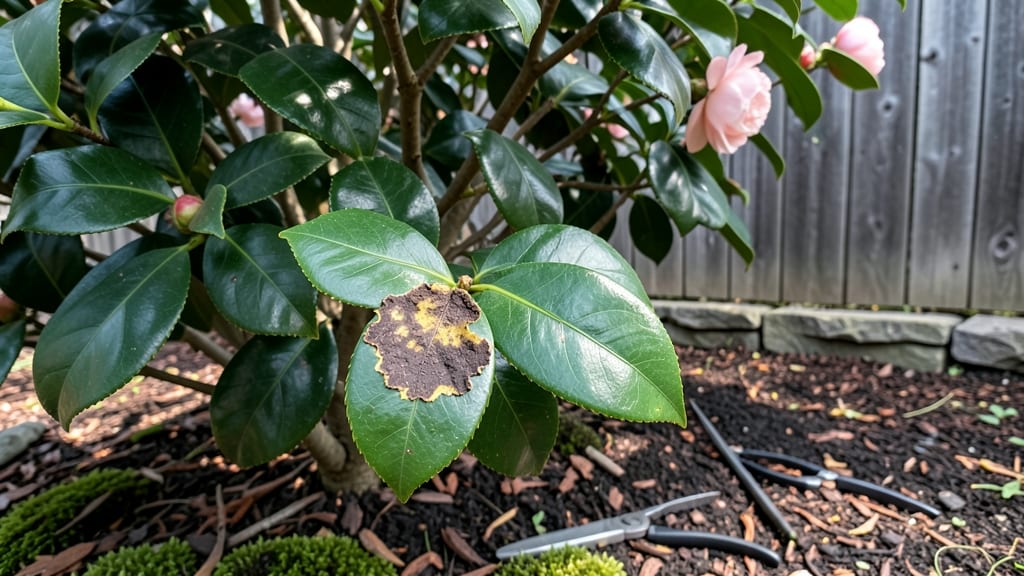
Camellia plant diseases can turn your glossy evergreen into a sad, spotted mess—but catching them early makes all the difference. I’ve seen petal blight turn vibrant blooms into brown slime, and leaf spot turn lush foliage into a skeleton of holes.
The good news? Most issues respond to simple organic fixes if you act fast, before the plant throws in the towel.
These problems usually start with too much moisture, poor airflow, or stressed roots—common in humid climates where camellias thrive. Petal blight loves damp flowers, leaf spot thrives on wet foliage, and root rot sneaks in when soil stays soggy.
The key is prevention: prune for airflow, avoid overhead watering, and mulch properly to keep roots happy. My camellias stay disease-free with these basics, and yours can too.
When trouble appears, a mix of neem oil, copper fungicide, or baking soda spray (for leaf spot) can save the day. I’ve stopped outbreaks in their tracks with just a few sprays—no harsh chemicals needed.
The secret is consistency: treat at first sign, then again in 7-10 days to break the cycle. Your camellia’s glossy leaves and perfect blooms will thank you.
Season matters too—spring and fall are prime time for prevention, while winter dormancy gives the plant a chance to recover. Even in tough climates, a little vigilance keeps camellias thriving. Let’s tackle those diseases before they take over your prized shrubs.
Root Causes of Camellia Struggles
Camellias are stunning, resilient plants—but even they fall prey to diseases when conditions tip the balance. Understanding why these issues arise is the first step to prevention. Below, we break down the science behind the most common culprits, so you can protect your blooms before problems bloom.
Fungi thrive in damp, shaded environments, and camellias—especially in humid climates—are prime targets. Here’s how it happens:
- Excess Moisture: Fungal spores (like those causing anthracnose or petal blight) germinate when leaves stay wet for prolonged periods. Rain, overhead watering, or poor airflow create the perfect breeding ground.
- Poor Air Circulation: Dense foliage or crowded plants trap humidity, giving fungi a foothold. Fungal spores spread via wind, water splashes, or even garden tools.
- Stress from Overwatering: Soggy soil weakens the plant’s defenses, making it easier for pathogens to invade roots and stems.
💡 Pro Tip: Space plants 3–5 feet apart for airflow, water at the base (not overhead), and avoid mulching too close to the stem—this keeps fungi at bay.
Insects like aphids, scale, and mites don’t just weaken camellias—they invite secondary infections. Here’s how:
- Honeydew Secretions: Aphids and scale excrete sticky honeydew, which attracts sooty mold—a black fungal growth that smothers leaves and blocks sunlight.
- Physical Damage: Spider mites puncture cells, creating entry points for bacterial or fungal invaders. Weakened tissue is an open door.
- Overcrowded Roots: Grubs or nematodes damage roots, reducing nutrient uptake and stressing the plant, making it vulnerable to disease.
🔥 Action Step: Inspect undersides of leaves weekly for pests. Use neem oil or insecticidal soap for organic control—prevention stops the pest-disease cycle.
Camellias are adaptable, but extreme or inconsistent conditions stress them out, lowering their disease resistance. Key triggers include:
| Factor | How It Harms Camellias | Fix It |
|---|---|---|
| Temperature Swings | Sudden cold snaps or heatwaves shock the plant, weakening its immune response. Bacterial blight thrives in warm, wet conditions. | Mulch with pine bark to moderate soil temps; avoid late-season fertilizers that promote tender new growth. |
| Poor Drainage | Waterlogged roots suffocate the plant, leading to root rot (often caused by Phytophthora fungi). | Amend clay soil with sand or compost; ensure pots have drainage holes. |
| Nutrient Imbalances | Too much nitrogen = lush but weak growth; too little phosphorus = stunted roots. Both scenarios make plants disease-prone. | Test soil annually; balance fertilizers with micronutrients like iron and manganese. |
✨ Organic Hack: Boost resilience with compost tea—it strengthens the plant’s natural microbial defenses against pathogens.
Even well-meaning gardeners can unintentionally create disease hotspots. Common slip-ups:
- Pruning at the Wrong Time: Cutting back in late summer or fall (when wounds heal slowly) opens doors for fungal infections like canker disease.
- Reusing Contaminated Tools: Pruners or shears carrying fungal spores from one plant can infect healthy camellias. Bacterial leaf spot spreads this way.
- Ignoring Leaf Litter: Wet, decaying leaves harbor spores. Camellia dieback often starts in debris-choked beds.
🎯 Prevention Checklist:
- ✅ Sterilize tools with rubbing alcohol between cuts.
- ✅ Prune in late winter/early spring when wounds heal faster.
- ✅ Rake up fallen leaves and dispose of them (don’t compost infected plant material).
Quick Fixes for Sick Camellias
When your camellia’s vibrant blooms start wilting or its leaves turn unsightly, swift action can save the day! 🌿💧 Below are practical, organic solutions tailored to the most common camellia diseases—plus prevention tips to keep your plant thriving long-term.
**🔥 Cause: Overwatering, poor airflow, or damp foliage. 👨🍳 Fix It Fast:
- Prune & Clean
- Remove
- Dispose of debris in the trash (not compost)—fungi spread easily!
- Fungicide Spray (DIY or Store-Bought) - Baking Soda Spray: Mix 1 tsp baking soda + 1 tbsp vegetable oil + 1 tsp dish soap + 1 gallon water.
Spray every 7–10 days until symptoms fade. - Neem Oil: Apply 2 tbsp neem oil + 1 tsp mild soap per gallon of water. Spray early morning or evening to avoid leaf burn. Reapply every 2 weeks.
- Improve Airflow & Drainage
- Raise the plant on a pot tray or elevate with bricks to prevent waterlogging.
- Avoid overhead watering—use a drip irrigation system or water at the base.
💡 Pro Tip: Mulch with pine bark (not organic mulch) to keep roots dry and deter fungi.
🔥 Cause: Weak plants, dry air, or crowded growth. 🍳 Treat It Organically:
- Blast Off Pests
- Insecticidal Soap: Mix 2 tbsp castile soap + 1 quart water. Spray directly on pests (avoid flowers). Repeat every 5–7 days.
- Introduce Beneficial Bugs
- Predatory mites control spider mites—sprinkle them on leaves after watering.
- Oil Spray for Stubborn Infestations
🌡️ Prevention: Mist leaves 2–3 times a week (especially in dry climates) to deter mites.
⏰ Adjust Care Routine:
- Shade Adjustment
- If leaves
- Use a light shade cloth (30–50%) if outdoor conditions are harsh.
- Soil & Fertilizer Fix
- Feed with organic fertilizer (like fish emulsion or cottonseed meal) in early spring and fall. Avoid high-nitrogen fertilizers—they weaken plants.
- Water Wisely
- Mulch with bark to retain moisture and regulate temperature.
🎯 Bonus Tip: Prune in late winter to encourage new, healthy growth and reduce stress.
If your camellia is beyond saving (e.g., root rot with black, mushy roots or massive pest infestation), consider:
- Repotting into fresh, sterile soil (sterilize pots with bleach or boiling water).
- Propagating cuttings from healthy stems to grow a new plant.
🌟 Prevention Checklist (Keep It Healthy!) ✅ Water at the base, never overhead. ✅ Prune regularly to improve airflow. ✅ Monitor soil moisture—never let roots sit in water. ✅ Inspect leaves weekly for early signs of pests/disease. ✅ Use organic fungicides as a preventative spray in spring and fall.
With these fixes, your camellia will bounce back stronger than ever—and you’ll enjoy lush blooms for years**! 🌸💚
Frequently asked questions
What are the first signs my camellia might have a fungal disease?
Watch for small brown or black spots on leaves, discolored patches on petals, or a white powdery coating. These often indicate petal blight, leaf spot, or powdery mildew. Check the undersides of leaves too—yellowing or curling often signals trouble before visible spots appear. Act fast to prevent spread!
Can I use household items like baking soda to treat camellia diseases?
A baking soda spray (1 tsp baking soda + 1 tbsp oil + 1 tsp soap per gallon of water) works wonders for fungal issues like leaf spot. Spray every 7-10 days until symptoms disappear. For pests, try a soapy water spray (2 tbsp castile soap per quart) to knock off aphids or mites. Always test on a small area first!
Why do my camellia leaves turn yellow even when I water regularly?
Yellow leaves often signal overwatering or poor drainage, but could also mean nutrient deficiency (like iron chlorosis) or pest damage. Check soil moisture 2 inches down—if it's damp, cut back watering. For yellowing between veins, test your soil pH (camellias need acidic soil, pH 5.5-6.5) and consider adding iron supplements.
Is it safe to prune infected branches from my camellia?
Yes, but do it carefully! Use sterilized pruners (wipe with rubbing alcohol between cuts) and remove only infected areas. Never compost diseased plant material—dispose of it in the trash instead. Prune in late winter/early spring when the plant is dormant for best results. Thin out dense branches to improve airflow and prevent future outbreaks.
How often should I inspect my camellia for diseases?
Check your camellia weekly during growing seasons (spring-fall) and biweekly in winter. Focus on leaf undersides, new growth, and flower buds—these are common entry points for pests and diseases. Early detection gives you the best chance to treat problems before they spread. Keep a small notebook to track any changes over time!