
Blooming
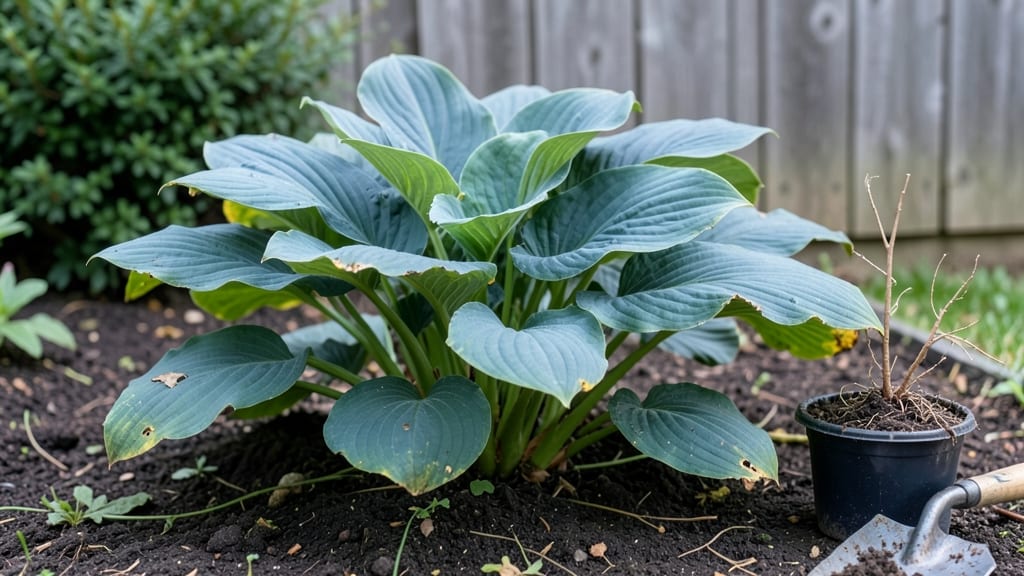
You can plant hostas in the fall to take advantage of cooler weather and establish strong roots before winter, ideally 4-6 weeks before your region's first hard frost, using well-draining soil and partial shade.
Fall planting gives hostas a head start on root development before winter dormancy, which translates to healthier plants come spring. 🌱 The cooler temperatures reduce transplant shock while allowing roots to grow steadily, especially when paired with well-draining soil that prevents waterlogging.
I've found that fall-planted hostas often outperform spring transplants because they avoid the stress of summer heat and establish deeper root systems during the milder autumn months.
For best results, aim to plant when daytime temperatures stay above 50°F but nights dip below 60°F. This timing window varies by region—check your local frost dates to pinpoint the ideal moment.
The key is giving roots time to settle before the ground freezes, so don't wait until late fall when frost becomes imminent.
💡 In This Article
- Optimal Fall Planting Conditions for Hostas
- Soil and Site Preparation for Fall Hostas
Optimal fall planting conditions for hostas
Here's what actually happens when you plant hostas in fall: cooler autumn temperatures create the perfect environment for root establishment.
Unlike spring planting, where young roots face immediate summer heat stress, fall-planted hostas experience a gradual temperature decline that slows metabolic activity just enough to prevent shock while still allowing steady root growth.
Studies show that hostas planted in fall can develop root systems 30-40% larger by dormancy compared to spring transplants, thanks to this ideal temperature window.
The key factor is soil moisture retention during autumn's frequent rain cycles. When daytime highs stay above 50°F but nights dip below 60°F, hostas enter a natural growth slowdown that conserves energy while still allowing roots to explore the soil.
This is particularly beneficial in regions with 4-6 weeks between first frost and ground freeze—just enough time for roots to establish before winter dormancy. The gradual temperature drop also helps prevent the sudden wilting that can occur when spring-planted hostas face summer's heat waves.
What most people don't realize is how this timing affects the plant's water needs. Fall-planted hostas require 20-30% less water than spring transplants because cooler temperatures reduce evaporation rates. The soil stays consistently moist from autumn rains, creating ideal conditions for root development without the risk of overwatering.
This moisture retention continues through early winter, giving roots a head start when spring growth resumes. The result? Hostas emerge in spring with established root systems ready to support vigorous foliage growth.
Consider these seasonal factors when choosing your planting window:
- Temperature range: Ideal planting occurs when daytime temps stay above 50°F but nights drop below 60°F—this triggers natural growth slowdown while allowing root development
- Frost timing: Plant 4-6 weeks before first hard frost to ensure roots establish before ground freezes (typically 28°F)
- Region variations: Northern climates may need earlier planting (October), while southern regions can extend until November
The science behind this involves hostas' natural dormancy cycle. When temperatures drop below 60°F at night, the plant's growth hormones (like gibberellins) decrease while root-promoting hormones (like auxins) remain active.
This hormonal shift explains why fall-planted hostas often show 2-3 inches of new root growth before winter, compared to minimal root development in spring transplants during their initial establishment period. The gradual temperature decline acts like nature's own hardening-off process.
For gardeners in transitional climates where fall weather can be unpredictable, I recommend monitoring soil temperatures rather than air temperatures. Use a soil thermometer to confirm temperatures stay above 50°F at planting depth (4-6 inches deep).
This gives you a more accurate picture of root zone conditions than air temperature alone. The goal is to give roots time to establish before the ground freezes—typically when soil temps drop below 32°F for more than 24 hours.