
Fertilization
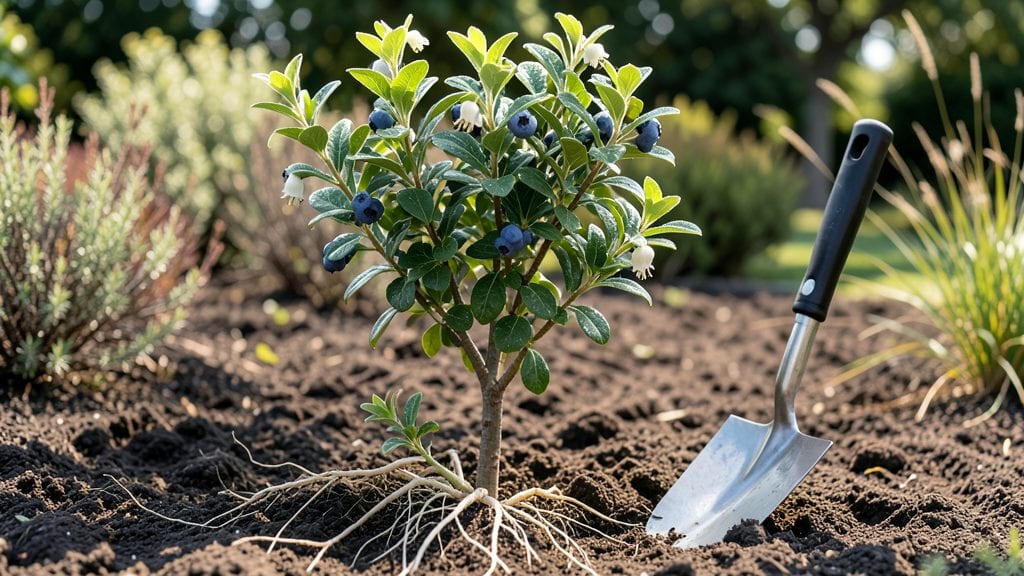
Blueberry planting conditions are the foundation of a thriving 🫐 harvest, and getting them right means the difference between a bush full of berries and one that barely sets fruit.
Struggling to get your blueberry bushes to thrive? The secret lies in mastering the perfect planting conditions—soil pH, sunlight exposure, and spacing all play critical roles in maximizing yield and plant health.
If your soil isn’t acidic enough, your bushes won’t absorb nutrients properly, no matter how much you water. And if they’re too close together, airflow suffers, inviting disease and stunting growth.
In this guide, I’ll walk you through the exact soil pH levels, sunlight needs, and spacing tricks that turn good blueberry plants into high-yielding powerhouses—whether you’re in a cool northern zone or a hot southern climate.
Optimal soil pH and nutrient requirements for blueberry growth
Blueberries are famously picky about their growing conditions, and soil pH is the #1 factor that determines whether your bushes will thrive or struggle. These acid-loving plants need a pH range of 4.5 to 5.5—any higher, and nutrient uptake plummets, leading to yellow leaves and poor fruit production.
I’ve learned the hard way that even slightly alkaline soil (pH 6+) can stunt growth, so testing is non-negotiable.
Beyond pH, blueberries require a balanced mix of essential nutrients—especially nitrogen (N) for leaf growth, phosphorus (P) for root development, and potassium (K) for disease resistance.
Organic matter should make up 5-10% of your soil, and I recommend amending with peat moss, pine bark fines, or composted leaves to create the perfect acidic environment.
🚨 summary-table 🚨
To test your soil’s pH, grab a digital pH meter or send a sample to your local cooperative extension service. If your soil tests above 5.5, you’ll need to lower the pH using elemental sulfur (apply 1–2 pounds per 100 square feet and water thoroughly).
For alkaline soils, I’ve had success with sphagnum peat moss or pine bark fines, which gradually acidify the soil over time.
Blueberries also thrive with organic matter-rich soil. Work in 3–4 inches of compost or well-rotted manure before planting, and top-dress annually with acid-loving plant fertilizer (like 10-10-10). I swear by cottonseed meal in early spring—it’s high in nitrogen and slowly releases nutrients without spiking the pH.
One common mistake I see is over-fertilizing with high-nitrogen blends. While nitrogen fuels leafy growth, too much can delay fruiting. Stick to 1 tablespoon of fertilizer per plant in spring and 2 tablespoons in summer, always watering it in deeply.
And never use lime or wood ash—they’ll raise your pH and ruin your blueberries!
If your soil is sandy, mix in 20% organic matter to improve moisture retention. Clay soils? Amend with coarse sand and peat moss to prevent compaction.
I’ve planted blueberries in raised beds filled with a 50/50 mix of peat moss and pine bark—this gives me full control over pH and drainage, especially in heavy clay zones.
For container-grown blueberries, use a specialized acidic potting mix (like those labeled for azaleas or rhododendrons). I’ve had great luck with 50% peat moss, 30% pine bark, and 20% perlite. Containers dry out faster, so monitor moisture closely and fertilize every 4–6 weeks during the growing season.
Finally, mulch your blueberries with pine needles or wood chips to maintain soil acidity and suppress weeds. Avoid shredded hardwood mulch—it can raise pH over time. I top-dress my beds with pine straw annually, and my bushes produce larger, sweeter berries as a result.
Remember, blueberries are slow growers in their first few years, but with the right soil conditions, they’ll reward you with decades of harvests. Start with the perfect pH, feed them right, and watch your bushes flourish—your future blueberry pancakes (or smoothies!) will thank you. 🫐
Sunlight and spacing guidelines for maximum blueberry yield
Blueberries thrive when given the right balance of sunlight and proper spacing. These two factors directly impact your harvest size and plant health. In my garden, I’ve learned that 6 to 10 hours of direct sunlight is ideal, but the exact needs can vary based on your climate zone.
For example, cooler regions might benefit from slightly more sunlight, while warmer zones can handle partial shade during peak afternoon heat.
When it comes to spacing between bushes, I’ve found that giving each plant enough room isn’t just about aesthetics—it’s about airflow and sunlight penetration. Crowded bushes lead to fungal diseases and reduced yields, so proper spacing is non-negotiable.
Let’s break down the specifics for different climate zones to help you optimize your blueberry patch.
🌱 comparison-table
| Condition | Cool Climate Zones (3-6) | Warm Climate Zones (7-9) |
|---|---|---|
| Sunlight Needs | 6-8 hours daily | 8-10 hours daily |
| Spacing (Standard Bushes) | 4-5 feet apart | 5-6 feet apart |
| Spacing (Dwarf Varieties) | 3-4 feet apart | 3-4 feet apart |
| Row Spacing | 6-8 feet between rows | 8-10 feet between rows |
| Shade Tolerance | Morning sun, afternoon shade | Full sun, minimal afternoon shade |
In cool climate zones (USDA zones 3-6), blueberries can handle slightly less sunlight, especially if they receive morning sun and afternoon shade. This setup helps prevent heat stress while still ensuring enough energy for fruiting.
I’ve seen my Northern Highbush varieties thrive with 6-8 hours of sunlight, so don’t worry if your garden doesn’t get intense afternoon heat.
For warmer zones (USDA zones 7-9), aim for 8-10 hours of full sun to prevent heat damage and ensure robust growth. Southern Highbush or rabbiteye varieties often perform best in these conditions.
If your area experiences extreme afternoon heat, consider planting bushes where they’ll receive dappled shade during the hottest hours. This can be achieved by placing them under taller trees or near structures that cast light shade.
When arranging your bushes, think about airflow optimization. I always space my bushes in a staggered pattern rather than neat rows. This creates natural airflow, reducing humidity around the leaves and minimizing fungal diseases like botrytis.
For example, if you’re planting 5-foot-tall bushes, space them 5-6 feet apart in a grid or triangular pattern. This not only maximizes sunlight exposure but also makes harvesting easier!
One final tip: If you’re growing dwarf varieties, you can space them closer—around 3-4 feet apart. These compact bushes are perfect for containers or small gardens, but they still need plenty of sunlight.
Just remember, even dwarf varieties won’t produce well if they’re shaded by taller plants or structures. Always prioritize sunlight access over aesthetics when planning your blueberry patch. 🌿