
Pruning
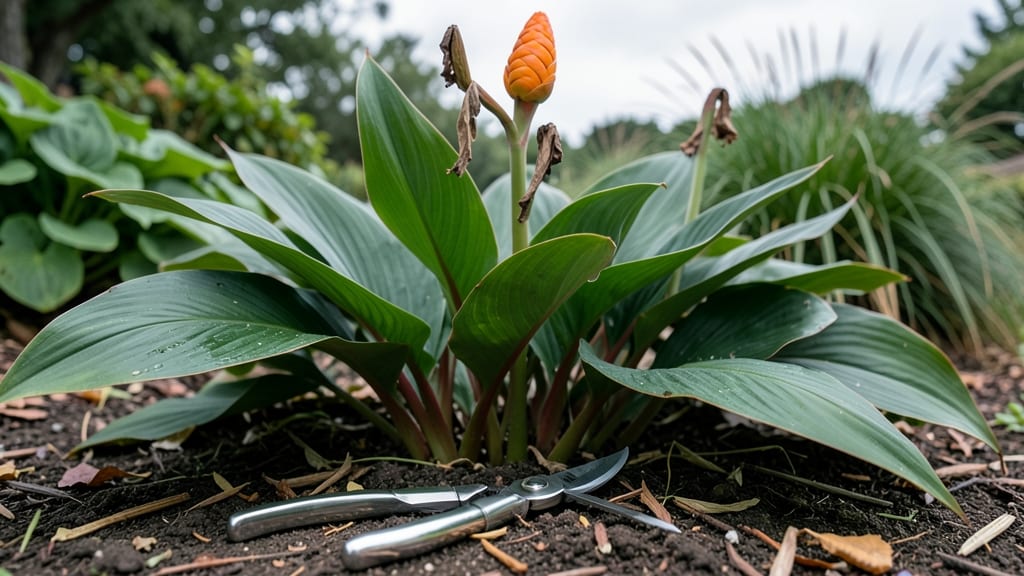
Pruning canna plants transforms them from one-season showstoppers into year-round performers. 🌿 I’ve watched my cannas go from leggy and spent after summer blooms to bushy, repeat-flowering powerhouses—all by mastering three key cuts at the right times.
The secret isn’t just when you trim, but how you do it: clean cuts, strategic timing, and knowing when to let them rest.
You’ll need sharp pruners, a clean cutting board, and about 20 minutes—no fancy tools required. The real work happens in late fall (after frost), early spring (before new shoots), and midsummer (to encourage second blooms).
Most gardeners skip the midseason trim, which is why their cannas peter out by August. I learned that the hard way after my first overgrown mess.
By following these three trims, you’ll get longer bloom seasons, thicker foliage, and tubers that store energy better for next year. The first flush of blooms arrives earlier, and the plants stay compact enough to handle our Zone 7 summers without flopping.
Even my black thumb can’t kill them after this method.
Works for both tropical cannas (like ‘Striped’ or ‘Cleopatra’) and hardy varieties in cooler zones. The same principles apply whether you’re pruning in containers or garden beds. Let’s get those shears ready—your cannas are about to thank you.
📚 In This Guide
- What you need
- Instructions
- Tips and common mistakes
- Wrapping up and next steps
What you need
- ● Bypass pruners: Sharp, clean pair (e.g., Felco F-2 or Gonicc), sterilized with rubbing alcohol to prevent disease.
- ● Hand pruners (smaller): For delicate trims near the base (e.g., Corona Ratchet for precision).
- ● Garden shears or loppers: For thicker stems (3–6" blades, Fiskars or Vivohome brands recommended).
- ● Glove set: Heavy-duty gardening gloves (nitrile-coated, like GlovesUSA) to protect from thorns and sap.
- ● Disinfectant spray: 70% isopropyl alcohol or horticultural-grade bleach solution (1 part bleach to 9 parts water).
- ● Rake or cultivator: For clearing dead foliage and debris around the base (Fiskars SteelHead works well).
- ● Bucket or wheelbarrow: 5-gallon capacity to collect clippings and pruned stems.
- ● Hose with nozzle: For rinsing tools/sap off hands post-pruning.
- ● Compost bin: To recycle healthy, disease-free clippings.
- ● Root stimulator: (e.g., Dyna-Gro Foliage Pro) for post-prune care if reviving dormant cannas.
- ● Staking materials: Bamboo stakes or canna-specific supports if your plant needs extra structural love.
- ● Weather check: Prune on a dry, overcast day (or early morning) to avoid stressing the plant.
- ● Tool sharpening: Hone blades before use—dull tools crush stems, inviting pests.
- ● Safety first: Wear closed-toe shoes and eye protection if working with large, thorny canna varieties.
- ● Plant health assessment: Inspect for pests/disease (e.g., aphids, fungal spots) before pruning. Quarantine affected plants if needed.
How to prune canna plants for continuous season-long blooms
Here's the proven 3-cut system I use to keep cannas flowering from early summer until frost—no deadheading required.
✂️ Step 1: First Trim After Initial Blooms (Early Summer)
Wait until your cannas produce their first flush of flowers and the stalks begin to brown at the base—this usually happens 6-8 weeks after planting. Using sharp, sterilized pruners, cut back the entire stalk 2-3 inches above the ground. You're not removing the plant, just the spent blooms and foliage.
This shock triggers new growth from the rhizome below. Within 2-3 weeks, you'll see fresh shoots emerging from the soil. The key is timing: prune too early and you cut off potential blooms; too late and you miss the second flush. Watch for fully browned flower stalks as your cue.
✂️ Step 2: Mid-Season Renewal Cut (Late Summer)
About 6-8 weeks after the first trim, when new growth reaches 12-18 inches tall but before it flowers again, make your second cut. This time, remove only the oldest stems—identify them by their thicker, woody bases compared to newer growth. Cut these back to 1 inch above ground level.
This creates space for younger, more vigorous shoots to develop. You'll notice the remaining stems have lighter green, more tender leaves compared to the older, darker growth. This cut extends the blooming season by 4-6 weeks and prevents the plant from becoming overly top-heavy.
✂️ Step 3: Final Frost Preparation (Fall)
When nighttime temperatures consistently drop below 50°F and your cannas show signs of stress—yellowing leaves or drooping foliage—it's time for the final trim. Cut back all remaining stems to 4-6 inches above ground level. This protects the rhizomes from winter damage while allowing them to store energy for next year.
Remove all plant debris from the bed to prevent disease buildup. I like to mark the location with small stakes so I remember where to plant next spring. The rhizomes will remain dormant underground until temperatures rise again in spring.
🌱 Step 4: Spring Revival (Optional)
In early spring, when you see new green shoots emerging from the ground, you can give your cannas a light trim to encourage bushier growth. Simply cut back any dead or damaged stems to just above a healthy bud or leaf node. This isn't strictly necessary but helps create a fuller plant for the season.
Here's the thing—cannas are forgiving. If you miss a trim, don't stress. The plant will still bloom, though you might sacrifice some of the extended season benefits. The key is consistency: once you establish this routine, your cannas will reward you with continuous color from June until frost.
Tips & tricks for perfect canna plant pruning
These proven strategies will help you maximize your cannas' blooming potential while avoiding common pruning pitfalls that can stress your plants.
Timing Secret: The 6-8 week intervals between trims are non-negotiable for this system to work. Mark your calendar after the first trim—this ensures you don't miss the second cut window. I keep a small garden journal where I record bloom dates and trim schedules, which helps me predict when new growth will appear. Real talk: I've learned the hard way that skipping even one trim can reduce your blooming season by up to 3 weeks.
Tool Preparation: Sterilize your pruners with rubbing alcohol between cuts to prevent disease transmission. I also recommend using sharp, high-quality pruners—they make cleaner cuts that heal faster. Between us, I've ruined perfectly good cannas by using dull shears that crushed stems instead of making clean cuts. For the final fall trim, consider using loppers for thicker stems that might be too much for regular pruners.
Visual Cues for Trimming: When identifying stems to remove in Step 2, look for the contrast between older and newer growth—the older stems will have thicker, woody bases and darker green leaves. The newer growth has lighter green, more tender leaves and appears more vibrant. This visual distinction is your guide for which stems to cut back. Don't make the mistake of removing all stems at once—this can shock the plant and reduce next year's blooms.
Frost Preparation Strategy: The 50°F threshold is crucial for your final trim. I've found that using a minimum-maximum thermometer helps track nighttime temperatures accurately. When you see yellowing leaves paired with temperatures consistently below 50°F, that's your signal. Don't wait until the first frost—cannas are tropical plants and can't handle freezing temperatures. The 4-6 inch cut height gives rhizomes enough protection while allowing them to store energy for next spring.
Pro Tips for Canna Plant Pruning
- These proven strategies will help you maximize your cannas' blooming potential while avoiding common pruning pitfalls that can stress your plants.
- Timing Secret: The 6-8 week intervals between trims are non-negotiable for this system to work.
- Tool Preparation: Sterilize your pruners with rubbing alcohol between cuts to prevent disease transmission.
Frequently asked questions
Got questions about keeping your canna plants thriving with the right pruning? Here are some of the most common queries—and their answers—to help you master the art of trimming for lush, long-lasting blooms.
When is the best time to prune canna plants for maximum blooms?
The ideal times are early spring (to encourage new growth), mid-summer (after the first flush of flowers), and late summer/early fall (to shape plants before dormancy). Avoid pruning during active flowering unless deadheading—this ensures energy stays focused on blooms, not regrowth.
How much can I trim back my canna plants without harming them?
You can safely remove up to one-third of the plant’s height or foliage in a single session. For mature cannas, aim to cut back leggy stems to 12–18 inches above the ground. Avoid over-pruning—cannas are resilient but need enough leaves to photosynthesize and fuel blooms.
What should I do if my canna plant looks sad after pruning?
If your plant wilted or dropped buds post-prune, it’s likely adjusting to the stress. Water deeply and keep it in partial shade for 3–5 days. Fertilize lightly with a balanced formula (10-10-10) to boost recovery. Most cannas bounce back within a week—just avoid heavy pruning during heatwaves or drought.
Can I propagate canna plants from pruned cuttings?
Use healthy, disease-free stems (4–6 inches long) with at least one node. Dip the cut end in rooting hormone (optional) and plant in moist potting mix or water. Keep in bright, indirect light and roots should form in 2–4 weeks. Perfect for expanding your garden or sharing with fellow plant lovers!
What’s the difference between pruning and deadheading canna flowers?
Pruning focuses on structural trimming (removing leggy stems, shaping growth), while deadheading is about removing spent blooms to redirect energy into new flowers. Snip faded blooms at the base (just above a leaf node) to keep cannas blooming all season. Combine both for a bushier, longer-flowering plant!
Wrapping up and next steps
Mastering canna plant pruning is your secret to lush, vibrant blooms all year long! 🌸 With just three strategic trims—spring cleanup, summer shaping, and fall prep—you’ll encourage healthier growth, more flowers, and a thriving garden.
Don’t let fear of over-trimming hold you back; every snip is a step toward a stunning, low-maintenance plant.
Ready to put your new skills to work? Grab your pruners and give your cannas a little TLC today! Watch them reward you with bold colors and effortless beauty season after season. 🌿✨