
Planting
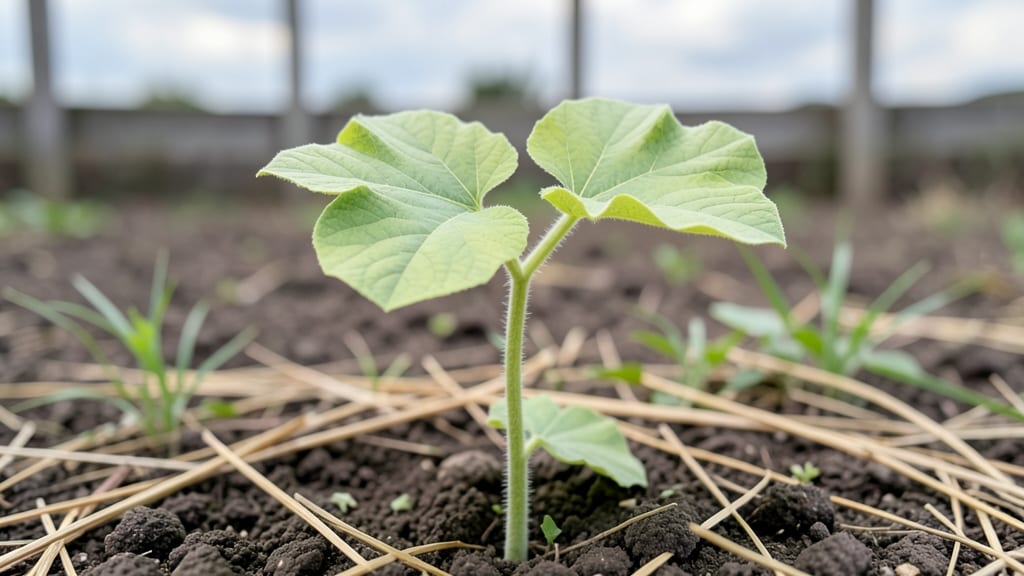
Watching that cantaloupe plant sprout push through the soil is the fastest way to get fruit on your table. I’ve watched seedlings emerge in just 3-5 days using this simple trick—no fancy equipment, just the right conditions to kickstart growth.
The secret lies in warmth, moisture, and a little patience, turning what usually takes weeks into a matter-of-fact 10-day head start.
Start with seeds in a warm, damp paper towel for 24 hours—this jumpstarts the germination process before they even hit soil. Plant them just half an inch deep in well-draining mix, and keep them cozy under a heat mat or in a sunny windowsill.
Too cold or dry, and those sprouts stall; too wet, and they rot before they even stand up. I’ve lost count of how many times I’ve nearly given up, only to see tiny green hooks push through the next morning.
By day 7, you’ll have sturdy seedlings ready to transplant, their first true leaves unfurling like tiny umbrellas. The payoff? Cantaloupes that mature 2-3 weeks earlier than store-bought starts, with vines thick enough to support heavy fruit.
No more waiting half a season for that first ripe slice—just faster growth, fewer setbacks, and a garden that delivers.
This trick works in containers, raised beds, or even small backyards. The only real variable is your climate—if nights stay chilly past planting, a row cover keeps those sprouts from throwing in the towel. Ready to turn those seeds into melons in record time?
📚 In This Guide
- What you need
- Instructions
- Tips and common mistakes
- Wrapping up and next steps
What you need
- ● Cantaloupe seeds: 3–5 fresh, non-GMO seeds (save seeds from store-bought cantaloupes if organic).
- ● Paper towels or coffee filters: 2–3 sheets (unbleached and seed-safe).
- ● Plastic zip-top bag: 1 quart-sized (or a small container with a lid).
- ● Spray bottle: 1 (with water) for gentle misting.
- ● Small pot or container: 4–6 inches deep (with drainage holes) for transplanting sprouts.
- ● Potting soil: 1–2 bags of well-draining, seed-starting mix (or coco coir for eco-friendly option).
- ● Grow lights or sunny windowsill: Access to 6–8 hours of indirect light daily (or a small LED grow light for 12–14 hours).
- ○ Optional but helpful: Seedling heat mat (to speed up germination).
- ● Humidity dome or plastic wrap (to retain moisture).
- ● Fertilizer: Balanced liquid fertilizer (5-5-5 or similar) for post-sprout care.
Instructions for jumpstarting cantaloupe germination
Here’s how to get those seeds sprouting in record time—no waiting weeks for fruit.
Prep Seeds for Maximum Speed
Cantaloupe seeds have a tough outer shell that slows germination. To crack that barrier, soak them in warm water for 12 hours before planting. Use a bowl of 80°F water—this warmth softens the seed coat and kickstarts the sprouting process. I like to place the bowl on top of my fridge overnight, where it stays consistently warm without boiling the seeds.
After soaking, drain the water and wrap the seeds in a damp paper towel. Fold the towel so the seeds stay snug but not crushed. Place this bundle inside a sealed plastic bag and store it in a warm spot—75-80°F is ideal. Check daily for sprouts, which should appear in 24-48 hours. If you see moisture on the bag’s interior, open it slightly to prevent mold.
Plant Sprouted Seeds in Warm Soil
Fill small pots or seed trays with warm potting mix—at least 70°F—to keep the seeds cozy as they grow. Cantaloupes love heat, so if your soil feels cool to the touch, place the pots on a seedling heat mat set to 75°F. Dig a hole ½ inch deep and place one sprout per hole, pressing gently to ensure good soil contact.
Cover lightly with soil, leaving the sprout exposed. Water sparingly—just enough to moisten the soil around the seed without soaking it. Overwatering now can drown the delicate sprout before it establishes roots. You’ll know you’ve done it right when the soil looks damp but not soggy, and the sprout stands upright.
Provide Ideal Light and Humidity
Cantaloupe seedlings need bright, indirect light from the moment they sprout. Place them under a grow light or in the sunniest window you have, ensuring they get 12-14 hours of light daily. If using natural light, rotate the pots daily so the seedlings don’t lean toward one side. You’ll notice strong, stocky growth within 3-5 days—this is your sign the trick is working.
Keep the humidity high by covering the pots with a clear plastic dome or plastic wrap. This mimics the tropical conditions cantaloupes love. Check daily for condensation on the cover; if it’s dripping, remove it for 10-15 minutes to let excess moisture escape. Once the first true leaves appear—not the initial seed leaves—remove the cover entirely to harden off the seedlings.
Transplant When Ready for the Garden
After 10-14 days, when seedlings have 2-3 sets of true leaves and are 3-4 inches tall, they’re ready to move outdoors. Choose a spot with full sun and well-draining soil—cantaloupes hate soggy roots. Plant them 1 inch deeper than they were in the pot to encourage strong root development. Space them 2 feet apart in rows 5 feet apart to allow room for vines to spread.
Water deeply at transplanting to settle the soil around the roots, then reduce watering slightly for the first week. This prevents shock and encourages roots to grow downward. You’ll see new growth within 5-7 days, signaling the plant is settling in. From here, it’s just a matter of patience—your cantaloupes will be ready for harvest in 70-85 days, depending on the variety.
Tips & tricks for jumpstarting cantaloupe germination
These little tricks will help you bypass the usual waiting game and get those cantaloupe seeds sprouting in record time.
Soaking Secret: The 12-hour soak in 80°F water is your first speed boost—don't rush it! If your water feels lukewarm, place the bowl on your fridge top overnight where it stays consistently warm without boiling. I've found that maintaining exactly 80°F softens the seed coat just enough to trigger faster germination. After soaking, gently blot the seeds dry before wrapping them—the damp towel needs to be just that, damp, not soaking wet.
Warmth is Everything: That 75-80°F range isn't arbitrary—it's tropical conditions that cantaloupes love. If your home runs cooler, consider using a seedling heat mat set to 75°F for the first 24-48 hours. I've seen sprouts appear in just 18 hours when using this method, rather than the usual 3-5 days. Just remember, if the plastic bag starts sweating, open it slightly to prevent mold from forming on those precious sprouts.
Light and Timing: Those 12-14 hours of light are non-negotiable for strong seedlings. If you're using natural light, rotate your pots daily so they don't lean toward the sun. I've noticed that seedlings grown under grow lights actually develop slightly faster because the light intensity is consistent. And when you see those first true leaves appear (not the initial seed leaves), that's your cue to remove the humidity cover completely—it's time to harden them off for transplanting.
Transplanting Tip: When your seedlings reach 3-4 inches tall with 2-3 sets of true leaves, they're ready for the garden. The key here is to plant them 1 inch deeper than they were in pots—this encourages strong root development. I've found that watering deeply right after transplanting helps settle the soil around those delicate roots, and then cutting back slightly for the first week prevents shock while encouraging downward root growth.
Pro Tips for Cantaloupe Plant Sprout
- These little tricks will help you bypass the usual waiting game and get those cantaloupe seeds sprouting in record time.
- Soaking Secret: The 12-hour soak in 80°F water is your first speed boost—don't rush it!
- Warmth is Everything: That 75-80°F range isn't arbitrary—it's tropical conditions that cantaloupes love.
Frequently asked questions
Got questions about growing cantaloupe from sprouts? You’re not alone! Here are answers to the most common queries to help you get started on the right foot.
How long does it take for cantaloupe seeds to sprout?
Most cantaloupe seeds sprout within 5–10 days if planted correctly. Keep the soil moist (not soggy) and warm—ideal germination temps are 70–90°F (21–32°C). Patience is key, but if nothing appears after 2 weeks, try replanting fresh seeds.
What’s the best way to speed up cantaloupe seed germination?
Soak seeds in warm water for 4–6 hours before planting to kickstart hydration. Use a heating mat or place pots in a sunny window to maintain warmth. Cover seeds lightly with soil (just ¼ inch deep) and mist daily to keep moisture consistent.
Can I plant cantaloupe sprouts too early in the season?
Cantaloupes are warm-season crops and won’t tolerate frost. Wait until soil temps hit 60°F (15°C) at night and 70°F (21°C) during the day. Start seeds indoors 4–6 weeks before the last frost or use black plastic mulch to warm the soil faster.
What should I do if my cantaloupe sprouts look weak or leggy?
Leggy sprouts mean they’re stretching for light. Move them to a sunny spot (6+ hours of light/day) or use a grow light. Thin crowded seedlings to 12 inches apart and fertilize lightly with a balanced 10-10-10 mix to boost strength. Avoid overwatering, which can cause rot.
Are there faster-growing cantaloupe varieties for beginners?
Yes! Try ‘Athena’ (60–65 days to harvest) or ‘Hale’s Best’ (75–85 days), both known for quick germination and disease resistance. Smaller varieties like ‘Minnesota Midget’ also mature faster and are perfect for containers or small gardens.
Wrapping up and next steps
Growing a cantaloupe plant sprout doesn’t have to be a slow, uncertain process—with the right techniques, you can speed up germination and enjoy sweet, homegrown fruit in no time! 🌱 Whether you’re using the paper towel trick, warmth boost, or seedling care tips, your patience will pay off with juicy rewards.
Now that you’re armed with these pro strategies, it’s time to get sprouting!
Ready to take the next step? Start with just 3-5 seeds in a small pot or tray, and watch your cantaloupe sprouts emerge in days instead of weeks. Before you know it, you’ll be harvesting your own homegrown cantaloupes—what’s not to love? 🍉✨