
Plants
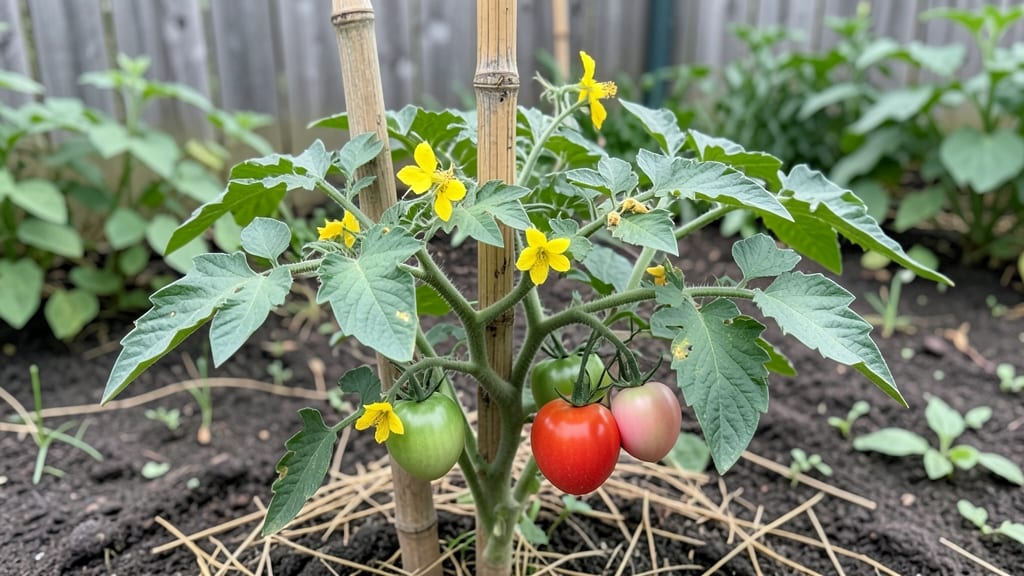
Champion tomato plants deliver exceptional yields of flavorful, disease-resistant fruit while thriving in home gardens. Choose high-performing varieties like 'Big Beef' or 'Celebrity,' plant them in full sunlight with well-draining soil, and provide sturdy support through staking or caging. Regular pruning of suckers, deep watering at the base, and balanced organic fertilization will ensure prolific harvests across multiple seasons.
These powerhouse plants aren't just about quantity—their genetic resilience fights off common diseases like blight and fusarium wilt, while their vigorous vines produce fruit well into fall. 🌱 The key to their success lies in consistent care: pruning encourages airflow (reducing rot risk), while organic fertilizers like compost tea boost flavor without burning roots.
I've seen 'Celebrity' hybrids consistently outperform heirlooms in humid climates, though heirlooms often deliver superior taste when given perfect conditions.
💡 In This Article
- Key Traits of Champion Tomato Varieties
- Season-Long Care for Champion Tomato Harvests
Key traits of champion tomato varieties
The genetic backbone of champion tomato varieties lies in their disease resistance and yield potential. Hybrid varieties like 'Celebrity' and 'Big Beef' combine traits from multiple parent plants through controlled cross-pollination, creating plants that resist common pathogens such as Fusarium wilt and early blight.
These hybrids often produce 50-70% more fruit than heirlooms under the same conditions, thanks to their uniform growth patterns and optimized nutrient uptake. The trade-off?
They typically sacrifice some of the complex flavors found in heirlooms like 'Brandywine,' which can develop 20-30% lower yields but offer unmatched sweetness and acidity profiles.
Growth habits vary dramatically between types. Indeterminate varieties (like 'Sungold' cherry tomatoes) grow 6-10 feet tall with continuous blooming, producing fruit over 3-4 months if properly supported.
Determinate varieties (such as 'Roma') grow 3-5 feet tall and set fruit in a single flush, ideal for canning but less productive in extended seasons.
The key difference lies in their genetic programming: indeterminates have a juvenile phase where they focus on vine growth before flowering, while determinates flower simultaneously across the plant. This affects both yield timing and disease susceptibility.
Fruit characteristics determine how you'll use your harvest. Beefsteak varieties like 'Arkansas Traveler' produce 1-2 pound fruits with thick, meaty walls perfect for sandwiches, while cherry tomatoes like 'Sweet 100' yield 100-200 fruits per plant in 1-inch bursts of sweetness.
The color gradient—from deep red to yellow—reflects different sugar profiles: red tomatoes develop 3-5% more sugar due to lycopene production during ripening, while yellow varieties often have higher citric acid content. This genetic diversity means you can tailor your garden to specific culinary needs.
Climate adaptability separates good varieties from champions. Hybrid tomatoes like 'Mountain Merit' thrive in hot, humid climates (USDA zones 4-9) thanks to their heat-tolerant foliage, while heirlooms like 'Cherokee Purple' excel in cooler regions with 60-75°F daytime temperatures.
The science behind this adaptability involves stomatal regulation—how efficiently plants manage water loss through leaf pores. Champion varieties often have 20-30% smaller stomata than average, reducing water stress during droughts while maintaining photosynthesis rates.
Consider these key factors when selecting varieties for your garden:
- Disease resistance: Look for labels mentioning V (verticillium wilt), F (fusarium wilt), or N (nematodes) resistance codes
- Growth habit: Indeterminate for extended harvests; determinate for early, concentrated production
- Flavor profile: Hybrid for productivity; heirloom for complex taste (often 10-15% higher sugar content)
- Climate match: Southern varieties handle heat better; Northern types tolerate cooler nights
The most successful gardeners I've worked with create variety mosaics—planting 3-4 different types to spread harvest timing and reduce risks. For example, combining 'Early Girl' (early producer), 'Brandywine' (late-season heirloom), and 'Super Sweet 100' (continuous cherry producer) ensures fruit from June through October in most climates.
This strategy leverages the complementary strengths of different genetic lines while mitigating their individual weaknesses.
What most people don't realize is that the seed source dramatically affects performance. Certified hybrid seeds from reputable suppliers (like Johnny's Selected Seeds) consistently outperform seeds saved from store-bought tomatoes by 30-50% in yield and disease resistance.
This is because commercial hybrids are bred for uniform performance, while home-saved seeds often revert to weaker traits through genetic recombination. For serious gardeners, investing in quality seed stock is one of the best ways to ensure champion-level results every season. 🌱