Container Gardens
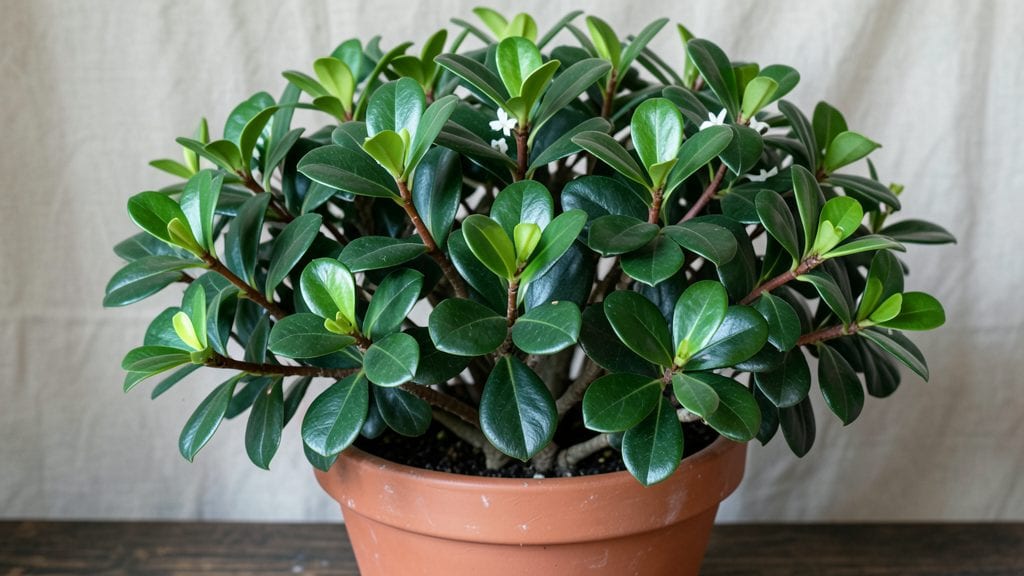
This clusia indoor plant thrives in my dim living room corner where nothing else survives—those thick, waxy leaves turn sunlight into energy even when it’s barely there. 🌿 This isn’t just another houseplant; it’s the ultimate low-light survivor, with a resilience that makes it perfect for offices, bathrooms, or any spot that feels too dark for most greenery.
The secret lies in its care routine: water only when the top inch of soil feels dry, use well-draining soil mixed with perlite, and avoid cold drafts. Most people overwater it, which causes the dreaded leaf drop, but once you get the rhythm, it’s foolproof.
Even my black thumb can’t kill this one—it’s the kind of plant that forgives mistakes.
By spring, you’ll see new growth pushing through those glossy leaves, and the plant will fill out into a lush, bushy shape. The best part? It blooms occasionally with tiny white flowers, adding a surprise bonus to its already impressive looks.
This is the kind of plant that makes indoor gardening feel easy.
Whether you’re dealing with fluorescent lighting or a north-facing window, the Clusia adapts—just keep it happy with consistent moisture and occasional pruning to shape it. Here’s how to make it thrive in your space without the guesswork.
📚 In This Guide
- What you need
- Instructions
- Tips and common mistakes
- Wrapping up and next steps
What you need
- ● Clusia plant: 1 healthy specimen (choose a size that fits your space—small pots for desks, larger for floors).
- ● Well-draining potting mix: 2–3 gallons (use a blend of peat moss, perlite, and orchid bark for optimal aeration).
- ● Pot with drainage holes: 1 container (1–2 inches larger in diameter than the plant’s root ball).
- ○ Gloves (optional but recommended): 1 pair (to protect hands from sap).
- ● Watering can or spray bottle: 1 (for gentle hydration).
- ● Trowel or small shovel: 1 (for repotting if needed).
- ● Pruning shears (sterilized): 1 pair (for trimming dead leaves or shaping).
- ○ Humidity tray or pebble tray: 1 (optional, but highly recommended for low-humidity homes).
- ● Fertilizer (balanced liquid or slow-release): 1 bottle (diluted to half-strength for feeding).
- ● Grow lights (LED, 1000–2000 lumens): 1–2 (if placing in very dim spaces).
- ● A low-light to bright indirect light spot (avoid harsh direct sun).
- ● Consistent room temperature (65–80°F)—no drafts or cold windows!
- ● Patience for slow growth (Clusia thrives on neglect but rewards steady care).
Step-by-Step instructions for growing a thriving Clusia indoor plant
This glossy-leaved beauty thrives with minimal fuss—here’s how to coax its lush foliage indoors.
🪴 Step 1: Choose the Right Pot and Drainage
Clusias hate soggy roots, so pick a pot with drainage holes—terracotta works best. I use a 6-8 inch container for each plant, just enough room for roots to spread without crowding. If your pot lacks holes, drill a few yourself. Place a layer of small pebbles or broken pottery at the bottom to improve drainage and prevent root rot.
This plant’s thick, waxy leaves store moisture, but standing water will still kill it. The pebbles create an air gap that keeps roots dry between waterings. Use a pot that’s 1-2 inches wider than the root ball—any larger, and soil stays too damp too long.
🌱 Step 2: Select Well-Draining Soil and Plant
Fill the pot with a mix of 50% potting soil and 50% perlite or orchid bark—this ensures fast drainage while retaining enough moisture for the Clusia’s tropical roots. I avoid heavy garden soil; it compacts and suffocates roots. Gently remove the plant from its nursery pot and place it in the new container, ensuring the top of the root ball sits ½ inch below the rim.
Clusias have a shallow root system, so don’t bury them too deep. Press the soil lightly around the edges to secure the plant, but don’t pack it down—this disrupts airflow. Water lightly after planting to settle the soil, but wait until the top 1 inch feels dry before watering again.
☀️ Step 3: Position in Bright, Indirect Light
Clusias tolerate low light but shine brightest in bright, indirect light—think near an east-facing window or a few feet back from a south-facing one. Direct sun scorches their glossy leaves, leaving brown patches. If your space is dim, supplement with a grow light 12-18 inches away for 6-8 hours daily.
You’ll know the light is right when leaves stay deep green and glossy without yellowing. If they stretch toward the light or lose their shine, move the plant closer to a brighter spot. Avoid drafts—cold air weakens this tropical plant, causing leaf drop.
💧 Step 4: Water Deeply and Let Soil Dry Between Sessions
Water when the top 1-2 inches of soil feel dry—stick your finger in to check. Clusias store water in their leaves, so they prefer drought-like conditions over soggy soil. When watering, soak the soil until it drains freely from the bottom. Empty the saucer after 10 minutes to prevent root rot.
Overwatering is the #1 killer of Clusias. If leaves yellow or feel mushy, you’re watering too often. Reduce frequency and ensure the pot has drainage. In winter, cut watering in half—cooler air slows growth, so the plant needs less moisture.
✂️ Step 5: Prune and Fertilize for Bushier Growth
Pinch back leggy stems in spring to encourage bushier growth. Use clean, sharp scissors to trim just above a leaf node—this redirects energy to new shoots. Remove any yellow or damaged leaves immediately; they drain the plant’s energy. I fertilize once in spring with a balanced liquid fertilizer (10-10-10) diluted to half strength. No fertilizer in winter—this plant rests then.
Clusias rarely need repotting, but if roots circle the pot, move up 1-2 sizes in spring. Gently tease apart tangled roots before replanting. This plant rewards patience—with proper care, it grows 2-3 feet tall and thrives for years with minimal fuss.
Tips & tricks for perfect Clusia indoor plant care
These game-changing tips will help your Clusia thrive with minimal effort—because even low-light plants deserve a little extra love!
Drainage is Non-Negotiable: In Step 1, when you're setting up that perfect pot, take an extra minute to check for drainage holes. If your pot is decorative without holes, place it inside a cache pot with pebbles and water only the outer container—this keeps roots dry without sacrificing style. I learned this the hard way after losing two Clusias to soggy roots!
Soil Mix Secrets: For Step 2, don't just grab any potting soil! The 50/50 mix of potting soil and perlite/orchid bark is crucial. If you're short on perlite, try coconut coir or even chunky sand—just avoid anything that compacts easily. Pro tip: Add a handful of worm castings to that soil mix for a nutrient boost without overwhelming the plant.
Lighting Hacks: When positioning your Clusia in Step 3, rotate the pot every few weeks to ensure even growth. The 6-8 hours of grow light mentioned works wonders, but if you're using natural light, east-facing windows are ideal. Watch for leaves stretching toward the light—that's your plant begging for more brightness!
Watering Wisdom: That 10-minute drainage rule in Step 4 is golden. After watering, let the plant sit for 10 minutes to drain completely, then empty the saucer. In winter, I cut watering to every 10-14 days—less frequent but deeper waterings work better than light sprinkles. And always use room-temperature water to avoid shocking the roots.
Pro Tips for Clusia Indoor Plant
- These game-changing tips will help your Clusia thrive with minimal effort—because even low-light plants deserve a little extra love!
- Drainage is Non-Negotiable: In Step 1, when you're setting up that perfect pot, take an extra minute to check for drainage holes.
- Soil Mix Secrets: For Step 2, don't just grab any potting soil!
Frequently asked questions
Got questions about your Clusia indoor plant? You’re not alone!
Here’s what we hear most—and how to tackle them like a pro.
How often should I water my Clusia plant?
Water your Clusia when the top 1–2 inches of soil feel dry to the touch. Overwatering is the #1 killer—these plants thrive on neglect! Aim for every 1–2 weeks in low light or weekly in brighter spots. Pro tip: Use a moisture meter if you’re unsure!
Can Clusia survive in artificial light?
Clusia is a low-light champion and does well under fluorescent or LED grow lights (12+ hours/day). For best results, place it 1–3 feet away from the light source. Just avoid direct sunlight—its glossy leaves can scorch!
What pests should I watch for, and how do I treat them?
Mealybugs and spider mites are the usual culprits. Act fast: Wipe leaves with a damp cloth and insecticidal soap (mix 1 tsp soap + 1 quart water). For stubborn infestations, isolate the plant and repeat every 5–7 days. Prevention tip: Mist leaves occasionally to deter pests!
Why are my Clusia leaves turning yellow?
Yellow leaves usually mean overwatering or root rot. Let the soil dry out completely between waterings, and ensure the pot has drainage holes. If roots smell foul, trim the affected ones and repot in fresh, well-draining soil. Health check: Brown edges? It’s likely low humidity—try a pebble tray!
What’s a good alternative if Clusia is too tricky?
If Clusia feels too high-maintenance, try these low-light, drought-tolerant pals:
- ZZ Plant (Zamioculcas zamiifolia) – Nearly indestructible!
- Snake Plant (Sansevieria) – Thrives on zero effort.
- Pothos (Epipremnum aureum) – Fast-growing and forgiving.
Wrapping up and next steps
Bringing a Clusia indoor plant into your home isn’t just about adding a touch of tropical beauty—it’s about embracing low-maintenance resilience that thrives even in shady corners. With its glossy leaves and air-purifying charm, this plant is the perfect companion for busy plant parents or those with limited light. 🌿
Ready to give it a try? Start by selecting your favorite variety and gathering the supplies—then watch your space transform into a lush, thriving oasis. Happy planting!