
Planting
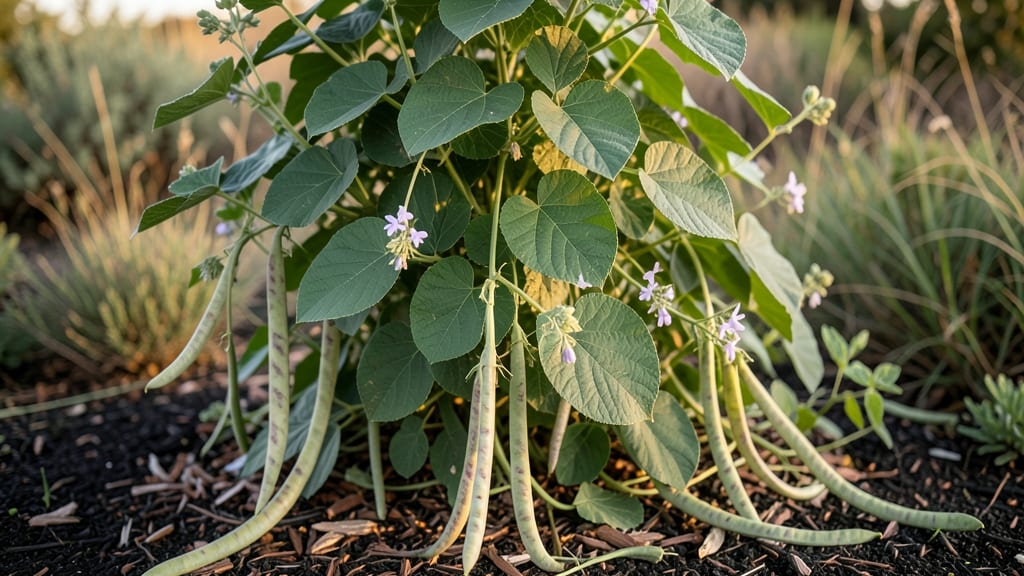
This cluster beans plant is a gardener’s secret weapon—dry heat, poor soil, even rocky ground can’t stop its bold, high-yield vines from producing crisp pods and lush greens. 🌿 I’ve grown them in my backyard’s toughest corner, and they’ve never let me down.
The secret lies in their drought tolerance and fast growth—once established, they outperform many other legumes in harsh climates.
You’ll need just three things to get started: well-draining soil, full sun, and patience for their climbing habit. Cluster beans love warmth, so wait until after the last frost to plant seeds directly in the ground or in containers.
A trellis or sturdy fence keeps vines off the ground, improving air circulation and making harvesting easier. These plants are hardy but appreciate a little compost mixed into the soil before planting.
Within 60-70 days, you’ll harvest tender pods that taste like a cross between green beans and asparagus—crisp, fresh, and packed with flavor. The vines keep producing for weeks, giving you a steady supply even in drought conditions. Plus, their deep roots help improve soil fertility for future crops.
Perfect for tropical and subtropical regions, but they’ll also grow in hot, dry areas if given enough sunlight. Whether you’re growing them for food, fodder, or even as a living trellis, cluster beans are a game-changer for any garden. Let’s get those seeds in the ground!
📚 In This Guide
- What you need
- Instructions
- Tips and common mistakes
- Wrapping up and next steps
What you need
- ● Cluster Bean Seeds: 20–30 seeds (choose certified organic or non-GMO for best results).
- ● Well-draining soil: A mix of loamy soil with a pH of 6.0–7.5. Add compost or aged manure for fertility.
- ● Sunlight: Full sun exposure (at least 6–8 hours/day).
- ● Water: Access to consistent moisture (drought-tolerant but thrives with regular watering).
- ● Fertilizer: Balanced 10-10-10 NPK or organic options like compost tea or bone meal.
- ● Garden bed or containers: Minimum 12-inch depth for vines (containers need drainage holes).
- ● Trellis or stakes: 6–8 feet tall to support climbing vines (bamboo or metal works best).
- ● Hand trowel or transplanting tool: For digging and spacing seeds.
- ● Watering can or hose: With a gentle spray nozzle for even moisture.
- ○ Pruning shears: For trimming excess growth (optional but helpful).
- ● Mulch: Straw or wood chips to retain soil moisture.
- ● Pest control: Neem oil or row covers for aphids/beetles.
- ● Soil moisture meter: To monitor watering needs in dry climates.
- ● Garden gloves: For comfortable handling.
Step-by-Step instructions for growing cluster beans in dry climates
Here's my foolproof method for thriving cluster beans—drought-tolerant, high-yield vines that reward patience with abundant harvests.
🌱 Step 1: Prepare the Soil and Plant Seeds
Cluster beans thrive in well-draining soil with a pH between 6.0 and 7.5. Work 2-3 inches of compost into the top 6 inches of soil to improve fertility and moisture retention. These vines hate soggy roots, so avoid heavy clay unless you amend it heavily with sand or perlite.
Sow seeds ½ inch deep and 4 inches apart in rows spaced 18-24 inches apart. Plant after the last frost when soil temperature reaches at least 65°F—cold soil delays germination. I like to soak seeds overnight in warm water first; this softens the outer coating and speeds up sprouting to 5-7 days instead of 10-14.
☀️ Step 2: Provide Support and Optimal Sunlight
Cluster beans are vigorous climbers that need strong trellises or stakes at least 6 feet tall. Install supports as soon as you plant seeds—these vines grow fast and will topple without them. I use bamboo stakes driven 12 inches deep every 3 feet in the row for stability.
Place plants in full sun (6-8 hours daily)—they wilt quickly in shade. Watch for yellowing leaves on the lower stems; this signals insufficient light. If your summer heat exceeds 90°F, provide afternoon shade to prevent leaf scorch while maintaining morning sun exposure.
💧 Step 3: Water Deeply and Maintain Dry Conditions
Cluster beans are drought-tolerant once established, but young plants need consistent moisture. Water deeply once a week (about 1 inch total) rather than frequent shallow waterings. Let the top 2 inches of soil dry between waterings—this prevents root rot while encouraging deep root growth.
Stop watering 2 weeks before harvest to improve pod flavor. You'll notice pods shrivel if the plant wilts—this is a sign of underwatering, but cluster beans recover quickly once rehydrated. Mulch with straw or grass clippings to retain moisture and suppress weeds without smothering the plants.
✂️ Step 4: Prune and Harvest for Maximum Yield
Pinch back the main vine tips when they reach 3 feet tall to encourage bushier growth. This redirects energy to side shoots, which produce more pods. Remove any yellow or diseased leaves immediately to prevent fungal spread—cluster beans are prone to powdery mildew in humid conditions.
Harvest pods when they're 3-4 inches long and firm—they turn woody and bitter if left on the vine. Pick every 2-3 days during peak production to stimulate more flowering. I use pruning shears to snip stems cleanly, leaving ½ inch of stem attached to the pod. Store fresh pods in the fridge for up to 5 days or blanch and freeze for long-term storage.
🌿 Step 5: Prepare for Winter and Next Season
Cluster beans are annuals, so remove all plant debris after harvest to prevent pests and diseases from overwintering. Work 2 more inches of compost into the soil before winter to replenish nutrients. Mark your planting location—these vines perform best in the same spot every 2-3 years to build soil health.
Save seeds from your healthiest plants by allowing a few pods to mature fully on the vine. Dry pods completely before shelling seeds. Store them in a cool, dark place for up to 2 years. I always plant saved seeds the following spring—they germinate reliably and maintain the plant's drought-resistant traits.
Tips & tricks for perfect cluster bean cultivation
Here's what nobody tells you about growing these high-yield vines—tricks that'll make all the difference in your dry-climate garden.
Soil Temperature Secret: That 65°F minimum soil temperature in Step 1 isn't just a suggestion—it's non-negotiable for germination. I've seen seeds sit for weeks in cooler soil, only to sprout all at once when temperatures finally warmed. Use a soil thermometer if your climate fluctuates, and consider black plastic mulch to warm the soil faster in cooler regions. The 2-3 inches of compost should be well-aged—fresh compost can overheat seeds and delay sprouting.
Sunlight Strategy: In Step 2, when you're dealing with summer heat over 90°F, think of your plants' sunlight needs like a sunbathing schedule: morning sun (coolest part of day) is essential, but afternoon shade becomes crucial. I use shade cloth (30-50% coverage) during peak afternoon hours—this prevents leaf scorch while still giving them that critical 6-8 hours of sunlight. Watch for those lower leaves yellowing; that's your first warning sign of insufficient light or heat stress.
Watering Wisdom: The deep watering once a week in Step 3 might seem counterintuitive in dry climates, but it's what builds those deep roots. I've learned this the hard way after seeing plants wilt dramatically with shallow watering. Let that top 2 inches dry between waterings—this mimics natural rainfall patterns and prevents surface evaporation. For extra insurance, water in the early morning so leaves have time to dry before evening, reducing disease risk.
Harvest Hack: When harvesting those 3-4 inch pods in Step 4, here's my pro move: I harvest every 2-3 days during peak production, but I always pick the largest pods first. This encourages the plant to keep producing new flowers and pods. And that ½ inch stem attachment? It's crucial—it helps the pods stay fresh longer when stored. For freezing, I blanch pods for exactly 3 minutes before shocking in ice water—this preserves color and texture perfectly.
Pro Tips for Cluster Beans Plant
- Here's what nobody tells you about growing these high-yield vines—tricks that'll make all the difference in your dry-climate garden.
- Soil Temperature Secret: That 65°F minimum soil temperature in Step 1 isn't just a suggestion—it's non-negotiable for germination.
- I use shade cloth (30-50% coverage) during peak afternoon hours—this prevents leaf scorch while still giving them that critical 6-8 hours of sunlight.
Frequently asked questions
Got questions about growing cluster beans? You’re not alone!
Here are answers to the most common queries—from planting to harvest—so you can grow this drought-resistant superstar with confidence.
How long does it take for cluster beans to grow from seed?
Cluster beans are fast growers! With the right conditions, you’ll see sprouts in 7–14 days and pods ready to harvest in 60–90 days after planting. Early varieties (like ‘H-97’) can even produce pods in as little as 50 days—perfect for impatient gardeners!
Why aren’t my cluster bean plants flowering or producing pods?
No flowers or pods? Check these fixes:
- Pollination: Cluster beans are self-pollinating, but gentle hand-shaking of vines can boost yields.
- Nutrients: Lack of phosphorus (bone meal) or potassium (wood ash) can stall flowering. Fertilize lightly when buds form.
- Heat stress: If temps exceed 95°F (35°C), flowers may drop. Provide afternoon shade in extreme climates.
- Watering: Drought or overwatering can cause flower drop. Aim for 1–1.5 inches of water weekly.
Can cluster beans survive in hot, dry climates like the desert?
Absolutely! Cluster beans are drought-tolerant champions and thrive in USDA Zones 7–12, including arid regions. Here’s how to succeed:
- Plant in full sun (6+ hours/day)—they hate shade.
- Use mulch (straw or grass clippings) to retain moisture.
- Water deeply but infrequently (every 5–7 days in extreme heat).
- Choose heat-resistant varieties like ‘Pusa Phalguna’ or ‘Rajendra Cluster Bean 1’.
Are cluster beans easy to cook with? What’s the best way to prepare them?
Yes! Cluster beans are versatile and nutritious (high in fiber and protein ). Here’s a quick guide:
- Young pods (green): Boil, stir-fry, or add to curries, soups, or salads.
- Mature pods (dry): Soak overnight, then cook into dal, porridge, or roasted snacks.
- Pro tip: Blanching (dipping in boiling water for 2 mins) removes bitterness.
Try this: Sauté with turmeric, cumin, and mustard seeds for a flavor kick!
What can I plant alongside cluster beans to boost growth?
Cluster beans pair well with companion plants that improve soil and deter pests:
- Beneficial neighbors: Marigolds (repel pests), onions (deter aphids), or spinach (shares nutrients).
- Avoid: Pole beans or potatoes (compete for nitrogen).
- Intercropping hack: Plant radishes or lettuce between vines for early harvests.
Wrapping up and next steps
Growing cluster beans (guar) is a game-changer for dry climates—packed with nutritional benefits, hardy resilience, and high yields with minimal fuss! Whether you’re a seasoned gardener or a curious beginner, these bold vines prove that thriving harvests are possible even in tough conditions. 🌱✨
Ready to dive in? Start small—plant a few seeds in a sunny patch of your garden or balcony this season. Watch as your cluster beans thrive, and soon, you’ll be enjoying their versatile uses (from snacks to soil enrichment) while supporting sustainable farming. Happy planting! 🌟