
Plants
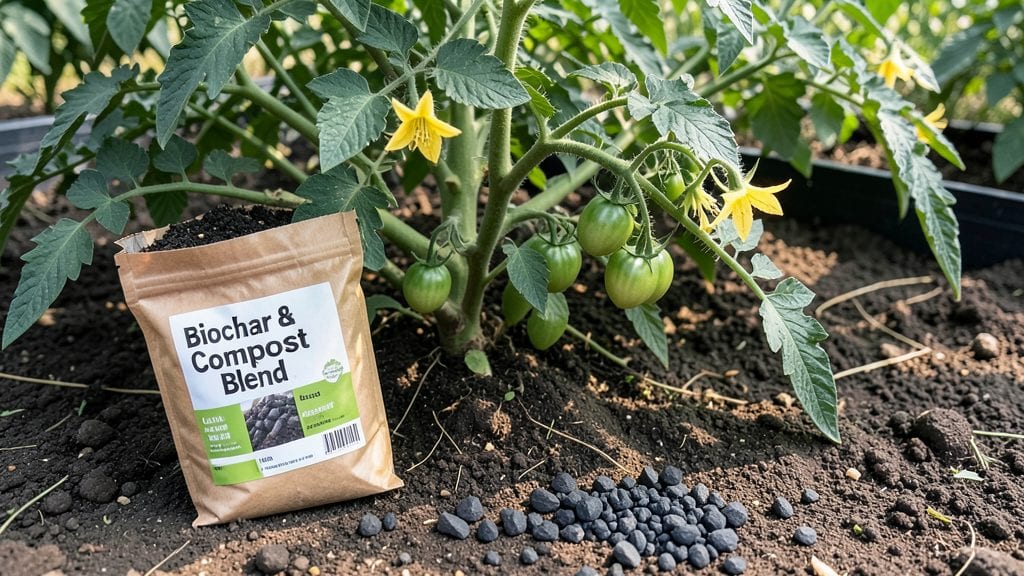
Using coal for plants safely means incorporating biochar—a charcoal form created through controlled pyrolysis—to boost soil health, but raw coal is toxic. This amendment improves aeration and nutrient retention, especially for acid-loving plants like blueberries or azaleas, when mixed lightly into compost or topsoil.
Biochar works by creating tiny pores that trap moisture and nutrients, making them available to plant roots over time. 🌱 Unlike raw coal, which releases harmful chemicals, biochar is chemically stable and even helps reduce soil acidity in some cases.
I’ve seen dramatic improvements in soil structure when using biochar for container gardens—it prevents compaction while supporting beneficial microbes.
For best results, aim for a 1-5% mix of biochar in your soil, depending on the plant’s needs. Acid-loving varieties like hydrangeas or gardenias respond particularly well, while others may benefit from alternatives like coconut coir if you’re avoiding coal entirely.
Always source biochar from reputable suppliers to ensure it’s been properly activated.
💡 In This Article
- How Biochar Enhances Soil Health and Plant Growth
- Safe Ways to Use Coal-Based Amendments in Gardens
How biochar enhances soil health and plant growth
Biochar's magic lies in its microscopic porous structure, created during pyrolysis when organic materials like wood or agricultural waste are heated to 300-700°C without oxygen.
This process transforms the material into a highly stable carbon-rich substance with surface areas exceeding 100-500 square meters per gram—imagine a teaspoon of biochar having the surface area of a football field!
These tiny pores act like a sponge, trapping water, nutrients, and beneficial microbes while preventing them from leaching away during watering.
The porous structure doesn't just hold moisture—it creates a perfect environment for soil microbes. Studies show biochar can increase microbial populations by 30-50% by providing shelter and a steady food source. These microbes then break down organic matter more efficiently, releasing nutrients in forms plants can absorb.
Unlike raw coal, which contains toxic compounds like sulfur and heavy metals, biochar's high heat treatment removes these impurities, making it safe for plants while adding a slow-release carbon source that improves soil structure over years.
One of biochar's most valuable properties is its ability to adjust soil pH. When mixed into alkaline soils, it can lower pH levels by 0.5-1.5 units over time, creating ideal conditions for acid-loving plants like blueberries (which thrive at pH 4.5-5.5) or azaleas.
The carbon structure also helps buffer sudden pH changes from fertilizers or rain. What's particularly fascinating is how biochar acts as a carbon sink—it can sequester 2-3 times its weight in CO₂ from the atmosphere while remaining in the soil for centuries.
For gardeners, this means fewer nutrient losses and more consistent plant growth. I've seen tomato plants in biochar-amended soil grow 20-30% faster while using 30% less water because the biochar holds moisture near roots.
The key is proper application: mixing 1-2% biochar by volume into the top 6-12 inches of soil provides maximum benefits without overwhelming the soil ecosystem. Overuse can create anaerobic pockets where roots struggle to breathe.
What most people don't realize is biochar's temperature-dependent behavior. When soil temperatures rise above 86°F, biochar releases stored nutrients more quickly, which explains why it's particularly beneficial in warm climates or during summer growing seasons.
This temperature sensitivity makes it an intelligent soil amendment that responds to environmental conditions. For container gardens, biochar can extend the growing season by 2-4 weeks in both spring and fall by moderating temperature fluctuations.
The contrast between biochar and raw coal couldn't be more dramatic. Raw coal contains 1-5% sulfur and trace metals like mercury that poison plant roots, while biochar's carbon structure is designed to be plant-friendly.
Think of biochar as the difference between charcoal from a controlled grill versus soot from a smoky fire—one enhances growth, the other would stifle it. 🌱