
Plants
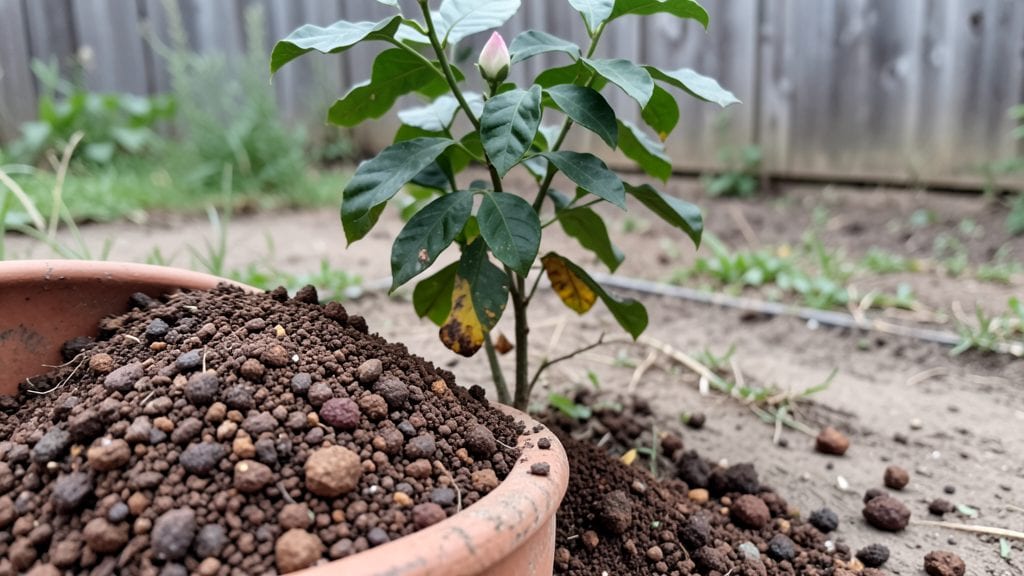
Coffee grounds and brewed coffee contain natural nitrogen compounds that act as a slow-release fertilizer, while their slightly acidic nature can benefit plants like azaleas or blueberries that thrive in pH 4.5-5.5 soil. 🌱 However, the caffeine content—though minimal in used coffee—can stress sensitive plants if overapplied, so always dilute with water (a ratio of 1 part coffee to 10 parts water is ideal).
The real magic happens in the soil, where coffee grounds also improve microbial activity by attracting beneficial fungi and bacteria.
💡 In This Article
- How Coffee Grounds Enhance Soil and Plant Health
- Safe Ways to Use Coffee for Gardening Without Harming Plants
How coffee grounds enhance soil and plant health
Coffee grounds are a nutrient powerhouse, packed with nitrogen (about 2% by dry weight) in the form of proteins and amino acids that break down into plant-available ammonium. This nitrogen boost mimics organic fertilizers, supporting leafy growth in plants like lettuce or spinach that crave nitrogen for lush foliage.
The grounds also contain tannins, which act as natural fungicides, suppressing harmful pathogens while stimulating beneficial soil microbes that decompose organic matter into plant nutrients.
The slightly acidic nature of coffee (pH ~5.5) makes it ideal for acid-loving plants like blueberries or azaleas, which thrive in pH 4.5-5.5 soil. For these plants, coffee grounds can lower soil pH gradually, creating optimal conditions.
However, for neutral-soil plants like tomatoes or peppers (pH 6.0-7.0), coffee should be used sparingly—too much can acidify the soil, stressing root systems. The caffeine in coffee (about 0.05-0.2% in used grounds) is generally harmless in small doses but can inhibit seed germination at high concentrations.
What makes coffee truly special is its ability to improve soil structure. The coarse, granular texture of grounds adds porosity to heavy clay soils, while their organic matter content enhances water retention in sandy soils.
When mixed into compost piles, coffee grounds decompose quickly, releasing nutrients over 2-4 weeks—faster than many commercial fertilizers. The aromatic compounds in coffee also attract earthworms, which aerate soil and create nutrient-rich castings that plants can absorb directly.
For foliar sprays, brewed coffee (cooled) acts as a natural fungicide due to its caffeine and tannin content, which disrupts fungal cell membranes. Studies show a 30-50% reduction in powdery mildew when applied weekly to susceptible plants like roses.
However, the caffeine can burn leaves if not diluted properly—always use a 1:10 coffee-to-water ratio and test on a small leaf area first. The dark, rich aroma of coffee also deters pests like slugs and snails, making it a dual-purpose garden helper.
Here’s how the chemistry breaks down: The nitrogen in coffee grounds feeds plants directly, while the tannins suppress harmful microbes. The acidity adjusts pH for acid-loving species, and the organic matter feeds soil life.
For example, adding 1 cup of used coffee grounds per plant every 2-3 months can boost growth in acid-loving plants without risking over-acidification. The key is balance—too much coffee is like over-fertilizing, while the right amount transforms your garden into a thriving ecosystem.
Most gardeners overlook the microbial benefits, but coffee grounds create a "hotspot" of activity in the soil. The fungi and bacteria drawn to coffee grounds break down complex organics into simpler nutrients, creating a feedback loop where plants grow faster and soil health improves over time.
This is why coffee works best as a long-term soil amendment rather than a quick fix. Think of it as a slow-release, multi-purpose fertilizer that also improves soil texture and deters pests—nature’s all-in-one garden hack.