
Companion Plants
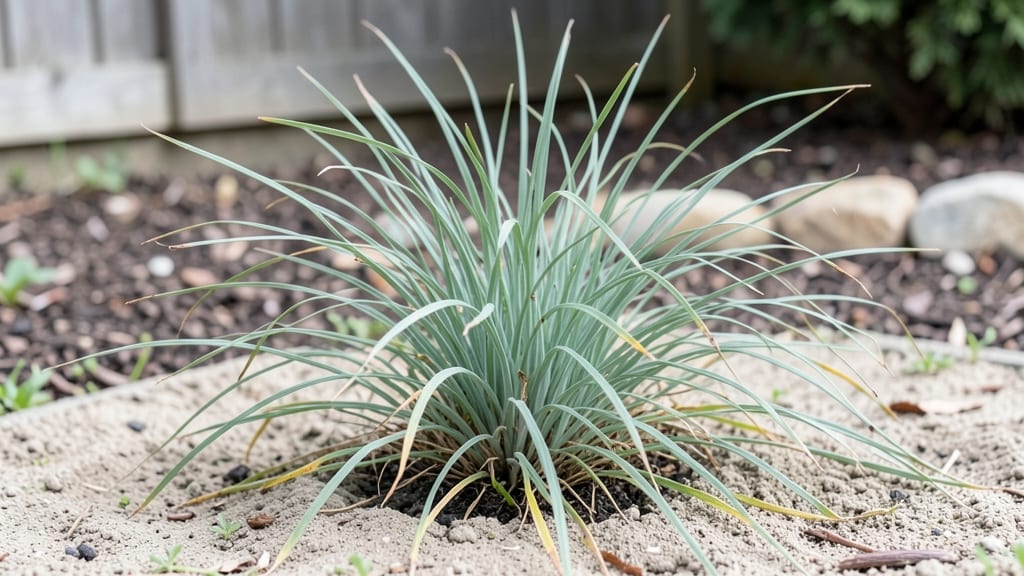
Growing plants in sandy soil might seem tricky, but the right sandy soil plants can turn your fast-draining ground into a lush, low-fuss garden.
Struggling with sandy soil that drains too fast and struggles to retain moisture? The right plants can transform your yard into a thriving, drought-resistant oasis without the constant watering.
Sandy soil drains quickly, but that doesn’t mean you’re stuck with sparse, struggling plants. Native grasses, succulents, and hardy perennials actually love this environment once you know which ones to pick.
Below, I’ll share 10 top-performing plants that not only survive but thrive in sandy conditions, plus simple tips to boost your soil’s moisture and nutrient game.
Top 10 drought-proof plants perfect for sandy soil conditions
Sandy soil can feel like a gardening challenge—it drains too quickly and lacks the nutrients most plants crave. But the right drought-resistant varieties can transform your sandy landscape into a vibrant, low-maintenance garden.
These plants have adapted to thrive where others struggle, requiring minimal water once established. The key is choosing native species or those specifically bred for sandy, well-draining conditions.
I’ve tested these top 10 sandy soil plants in my own garden, and they consistently deliver beauty with minimal fuss. From succulents that store water in their leaves to deep-rooted grasses that anchor themselves in loose soil, each option brings unique textures and colors.
Many also attract pollinators, making your garden both functional and ecologically friendly. Let’s dive into the best choices for your sandy soil oasis.
| Plant Name | Sunlight Needs | Water Needs | Mature Size | Key Benefits |
|---|---|---|---|---|
| Yucca filamentosa | Full sun | Drought-tolerant | 3-4 ft tall | Native, deer-resistant, architectural |
| Carex pensylvanica | Partial sun | Low water | 1-2 ft tall | Grass-like, spreads easily, erosion control |
| Lavender (Lavandula) | Full sun | Drought-tolerant | 2-3 ft tall | Fragrant, pollinator magnet, pest-repellent |
| Agave parryi | Full sun | Extreme drought | 2-3 ft tall | Succulent, frost-hardy, striking foliage |
| Russian Sage (Perovskia) | Full sun | Drought-tolerant | 3-5 ft tall | Long bloom season, silvery foliage, deer-resistant |
| Sea Oats (Uniola paniculata) | Full sun | Low water | 4-6 ft tall | Native grass, wildlife habitat, coastal adapted |
| Blanket Flower (Gaillardia) | Full sun | Drought-tolerant | 1-2 ft tall | Long-lasting blooms, pollinator favorite, heat-tolerant |
| Sedum (Stonecrop) | Full sun | Drought-tolerant | 6 in - 2 ft tall | Succulent, ground cover, winter interest |
| Eastern Red Cedar (Juniperus virginiana) | Full sun |
How to improve sandy soil for better plant growthSandy soil drains water too quickly and lacks the nutrients many plants need to thrive. But with the right amendments and techniques, you can transform it into fertile ground. The key is improving moisture retention while adding organic matter to feed your plants. Let’s explore proven methods that work fast and last. First, test your soil’s pH and nutrient levels using a simple soil test kit. Sandy soil often has a low organic content, which means it struggles to hold water or nutrients. Once you know your baseline, you can target the right amendments like compost, peat moss, or coconut coir. These additions help create a better balance for root development. 🌱 5 Steps to Transform Your Sandy Soil
Don’t overlook the power of mulching. A thick layer of organic mulch (like straw or wood chips) helps retain moisture, regulates soil temperature, and slowly releases nutrients as it breaks down. For best results, reapply mulch every 2-3 months to maintain its effectiveness. If your sandy soil feels too coarse, consider mixing in sand-sized perlite or vermiculite to improve aeration while still retaining some moisture. These inorganic amendments won’t decompose like organic matter, so they provide long-term benefits without clogging the soil. For container gardening, use a blend of 50% sandy soil, 30% compost, and 20% perlite to mimic ideal conditions. This mix drains well but holds enough moisture for plants like tomatoes or peppers, which prefer slightly richer soil. Finally, rotate your crops annually to prevent nutrient depletion. Sandy soil recovers quickly with proper care, so don’t be discouraged if results take a few seasons. With patience and the right amendments, your garden will flourish—even in the sandiest conditions! 🌱 |