
Companion Plants
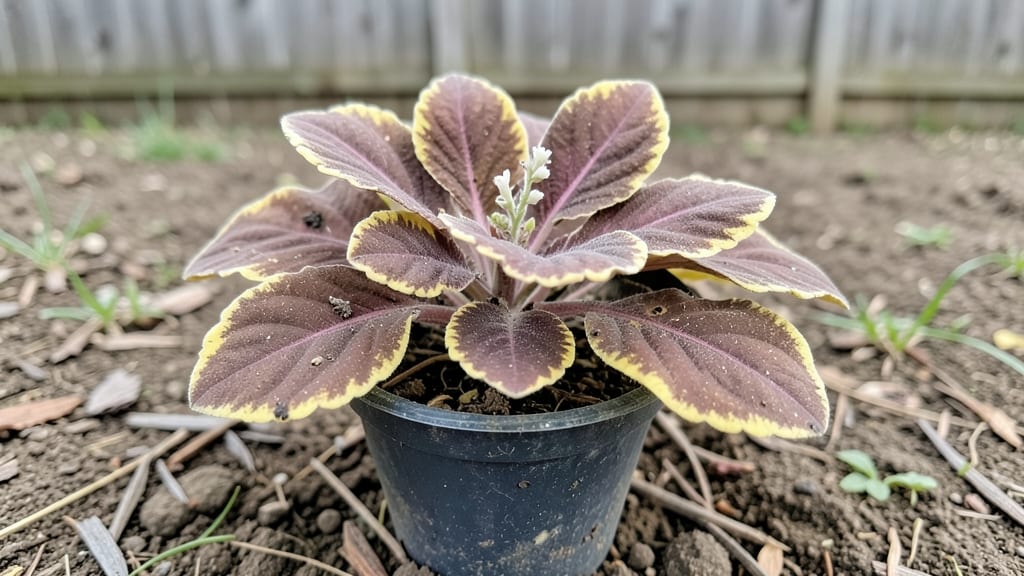
Costco spring plants are the secret weapon for gardeners who want bold color without the fuss of constant watering or fussy care. I’ve stocked up there for years, and my yard stays vibrant through summer heat with plants that thrive on neglect—once you know which ones to pick.
The key is choosing the right varieties from their seasonal selection, like lavender, Russian sage, or drought-tolerant salvias, which all handle Costco’s bulk shipping better than delicate annuals.
The best part? These plants arrive in oversized pots, so you can transplant them immediately or store them in a garage for a few weeks if your soil’s still too cold. Just keep the roots moist with a light misting—no soggy soil—and they’ll hold up like champs.
I’ve even kept some in 5-gallon buckets on my patio until the last frost, and they bounced back without a single leaf lost.
By mid-summer, your garden will look like a postcard—deep purples, silvery foliage, and blooms that last until frost. The drought-proof varieties especially shine when other plants wilt, and you’ll spend way less time fussing over watering.
Plus, Costco’s bulk pricing means you get more plants for your money, so you can fill borders or create dramatic drifts without breaking the bank.
Here’s the pro tip: Skip the annuals unless you’re committed to deadheading and daily watering. Instead, focus on perennials and shrubs that handle Costco’s shipping stress and come back stronger every year. Your spring prep checklist just got a whole lot easier—and your garden’s summer performance will thank you.
📚 In This Guide
- What you need
- Instructions
- Tips and common mistakes
- Wrapping up and next steps
What you need
- ● Costco spring plants (3–5 varieties): Drought-tolerant perennials (e.g., lavender, succulents, or Russian sage) – 3–5 plants
- ● Annuals for color (e.g., petunias, marigolds, or snapdragons) – 2–4 plants
- ● Companion plants (e.g., basil, nasturtiums, or borage) – 1–2 plants
- ● Potting soil: 1–2 bags (20–40 lbs) (look for organic, moisture-retentive blends)
- ● Compost or fertilizer: 1 bag (10–20 lbs) (slow-release or organic options work best)
- ● Garden gloves (1 pair – nitrile or leather for durability)
- ● Trowel or hand shovel (for digging – ergonomic handles preferred)
- ● Pruners (bypass pruners for clean cuts – sterilized if reusing)
- ● Watering can or hose with spray nozzle (1–2 gallons capacity)
- ○ Mulch (optional but recommended): 1–2 bags (2–3 cubic feet) (shredded bark or straw)
- ● ✅ Sunlight assessment: Measure 6+ hours of sunlight for most plants (adjust for shade-loving varieties).
- ● ✅ Drainage check: Ensure pots or garden beds have holes for excess water.
- ● ✅ Weather prep: Plant after last frost date (check local guidelines!).
Step-by-Step instructions for creating a drought-proof Costco spring garden
Here's how to transform Costco's seasonal plants into a thriving, low-maintenance garden that blooms all year.
Choose and Prepare Your Planting Site
First, select a location that gets at least 6 hours of sunlight daily—most Costco spring plants thrive in full sun but tolerate partial shade. Clear the area of weeds and rocks, then loosen the top 6 inches of soil with a garden fork. This helps roots spread easily without competing with compacted earth.
If your soil drains poorly, mix in 2 inches of coarse sand or perlite from the materials list to improve aeration. Test the soil by squeezing a handful—if it forms a tight ball, it’s too clay-heavy. Amend until it crumbles loosely when dry. This step prevents root rot, which is especially critical for drought-resistant plants.
Plant with Proper Spacing for Long-Term Health
Dig holes twice as wide as the plant’s root ball but only as deep as the container’s base. Gently remove each plant from its pot, tease apart tangled roots, and place it in the hole so the top of the root ball sits level with the soil surface. Press the surrounding soil firmly to eliminate air pockets, then water deeply to settle everything.
Use the spacing guide on each plant tag—typically 12-18 inches apart for shrubs and 18-24 inches for perennials. Crowding stresses plants and invites pests. After planting, add a 2-inch layer of mulch around each base (but not touching stems) to retain moisture and suppress weeds. This mimics natural conditions and reduces watering needs by up to 30%.
Establish a Watering Routine for Drought Resilience
Water deeply once a week for the first month, soaking the soil to 12 inches down. You’ll know it’s enough when water runs out the drainage holes if planted in containers, or when the top 2 inches of soil feel moist to the touch. Avoid frequent shallow watering—it encourages weak roots that can’t handle dry spells.
After the initial month, let the soil dry out completely between waterings. Most Costco spring plants are bred for drought tolerance, so they’ll signal thirst by wilting slightly. At this point, a long, slow watering session (10-15 minutes) every 10-14 days keeps them thriving without waste. Early morning is best—it reduces evaporation and fungal risks.
Maintain with Minimal Effort for Year-Round Blooms
Fertilize lightly once in early spring and again in midsummer with the slow-release granules from your materials. Sprinkle them around the drip line (the edge of the plant’s canopy) and water in well. Over-fertilizing leads to lush foliage but fewer flowers—these plants are all about color, not leaves.
Deadhead spent blooms by pinching off faded flowers with your fingers or clean pruners. This encourages continuous flowering. Prune leggy growth in late winter to shape plants and remove dead branches. Most Costco spring varieties are low-maintenance, but a quick monthly check for pests (like aphids) prevents outbreaks before they start.
Extend the Season with Simple Protections
To keep plants blooming into fall (and sometimes winter), add a lightweight frost cloth when nighttime temperatures drop below 40°F. Secure it loosely—plants need airflow to stay healthy. In warmer climates, provide afternoon shade during summer’s peak heat to prevent wilting.
For winter care, reduce watering to every 3-4 weeks unless rainfall exceeds 1 inch. Trim back any frost-damaged growth in early spring, and you’ll see fresh shoots within 2-3 weeks. This approach turns Costco’s seasonal plants into perennial workhorses that reward you with color all year.
Tips & tricks for perfect Costco spring planting
Transforming Costco's seasonal plants into a year-round garden takes a few key strategies that make all the difference. Here's what I've learned after helping dozens of gardeners get stunning results.
The Sunlight Factor: Those 6 hours of sunlight are non-negotiable for most Costco spring plants, but here's the thing: morning sun is more valuable than afternoon sun in hot climates. Position plants so they get their full sunlight in the cooler morning hours, which reduces stress during peak afternoon heat. I've seen plants wilt dramatically when planted in full afternoon sun, even when they met the 6-hour requirement.
Soil Prep Secret: When testing your soil in Step 1, don't just squeeze it—roll it between your fingers. If it forms a ball that holds together but still crumbles easily, your soil's perfect. If it sticks together like clay, you definitely need that 2 inches of perlite. I once planted without amending heavy clay soil and lost three plants to root rot before realizing the drainage issue.
Watering Wisdom: That 10-15 minute watering session in Step 3 needs to be consistent. Use a timer or mark your hose to create the same water pressure each time. I measure the water flow by seeing how far it spreads—it should reach about 12 inches out from the plant base. Inconsistent watering causes the most common failure with these drought-resistant plants.
Frost Protection Tip: When temperatures drop below 40°F, I recommend adding the frost cloth at dusk rather than dawn. This gives plants a full day of sunlight before the protective covering goes on. I've noticed plants covered at dawn often struggle to photosynthesize properly, even with the cloth.
Pro Tips for Costco Spring Plants
- Transforming Costco's seasonal plants into a year-round garden takes a few key strategies that make all the difference.
- The Sunlight Factor: Those 6 hours of sunlight are non-negotiable for most Costco spring plants, but here's the thing: morning sun is more valuable than afternoon sun in hot climates.
- Soil Prep Secret: When testing your soil in Step 1, don't just squeeze it—roll it between your fingers.
Frequently asked questions
Got questions about Costco’s spring plants? You’re not alone!
Whether you’re a seasoned gardener or a newbie eager to bring vibrant color to your yard, here are answers to the most common queries—so you can shop with confidence and plant like a pro.
What’s the best time to plant Costco’s spring plants?
For most spring plants at Costco, aim to plant after the last frost date in your area (typically late April to early May in many U.S. regions). Check the plant tags for specific care instructions—some, like succulents or lavender, thrive in heat and can go in earlier, while tender perennials may need a little more time to harden off. Pro tip: If nights are still chilly, wait a week or two to avoid shock!
How often should I water Costco’s drought-resistant plants?
Drought-proof doesn’t mean no water—just smarter watering! Most Costco spring plants (like ornamental grasses, sedum, or Russian sage) need deep watering 1-2 times per week for the first month to establish roots. After that, water only when the top 1-2 inches of soil are dry. Overwatering is the #1 killer of resilient plants, so let the soil guide you. Use drip irrigation or soaker hoses to deliver water straight to the roots and reduce waste.
Can I plant Costco’s spring plants in containers or just the ground?
Many Costco spring plants—especially herbs, succulents, and compact perennials—thrive in containers. Use pots with drainage holes and well-draining soil (like cactus/succulent mix for drought-lovers). For larger plants (e.g., ornamental trees or shrubs), ground planting is ideal, but containers work for patios or balconies. Just ensure containers are large enough—aim for at least 12 inches deep for most perennials.
What pests should I watch for with Costco’s spring plants?
Even drought-resistant plants can attract pests! Keep an eye out for aphids, spider mites, or snails—common culprits in spring. Most Costco plants are hardy, but neem oil or insecticidal soap can tackle early infestations. For snails, set out beer traps or use copper barriers. Healthy soil and proper spacing reduce pest risks, so mulch well and avoid overcrowding.
Are Costco’s spring plants treated with chemicals? Should I rinse them?
Costco plants are not pre-treated with pesticides, but some may have a light fungicide coating for transport. If you’re concerned, give them a gentle rinse with water before planting—especially if you’re growing edibles (like herbs or veggies). For non-edible plants (e.g., lavender, bougainvillea), rinsing isn’t necessary unless you spot dust or debris. Always check the plant tags for care notes!
Wrapping up and next steps
Transforming your space with Costco spring plants isn’t just about aesthetics—it’s about creating a thriving, low-maintenance oasis that blooms year-round! 🌸 From drought-resistant succulents to vibrant perennials, these plants offer color, resilience, and ease, making them perfect for busy gardeners.
Whether you’re a beginner or a seasoned pro, the key is choosing the right varieties and giving them the love they need to flourish.
Ready to take the next step? Visit your local Costco or browse their online garden center to stock up on your favorites. Grab a trowel, roll up your sleeves, and let your green thumb shine—your future garden (and future self) will thank you! 🌱