
Vegetables
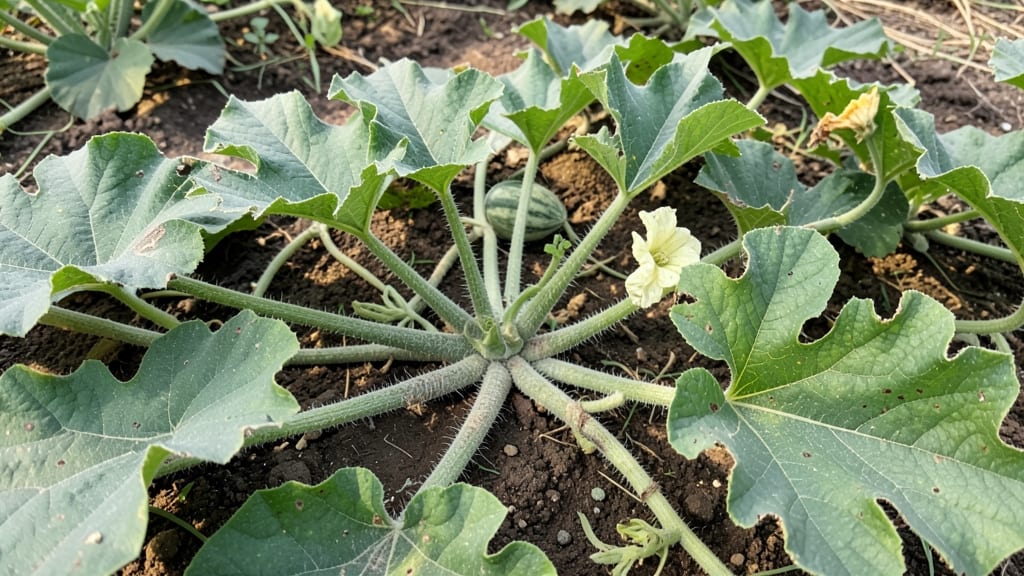
The crimson watermelon plant delivers those jewel-toned, sweet fruits you dream about—if you give it the right conditions.
I’ve grown them for three summers now, and the difference between a decent harvest and a jaw-dropping one comes down to timing, soil, and a little extra care during those 90-day growing windows. The key?
Starting seeds indoors in early spring so vines have plenty of time to sprawl before summer heat sets in.
You’ll need a long, sunny spot (at least 6–8 feet of space per plant) with well-draining soil rich in compost. Watermelons are heavy feeders, so mix in a balanced fertilizer at planting, then side-dress with nitrogen mid-season.
Water deeply once a week—never let the soil dry out completely, but avoid soggy roots. The first female flowers appear around 4–5 weeks after transplanting, and that’s when you know you’re on track for harvest.
By late summer, you’ll be slicing into those deep crimson fruits with vibrant red flesh and crisp texture. The secret to sweetness? Let them stay on the vine until the underside turns yellow—no rushing!
One plant can yield 6–10 melons, and with proper spacing and care, you’ll have more than enough to share (or freeze for winter). The best part? These vines thrive in heat, making them perfect for southern climates or even container growing in warm regions.
Watch for cucumber beetles and powdery mildew—they’re the biggest threats—but a row cover early on keeps pests at bay. If you’ve ever struggled with watermelons flopping or rotting, this method fixes that. Ready to grow melons that impress? Let’s break it down step by step.
📚 In This Guide
- What you need
- Instructions
- Tips and common mistakes
- Wrapping up and next steps
What you need
- ● Crimson watermelon seeds – 3–5 seeds per plant (or 1 seedling if starting from a nursery). Opt for heirloom or hybrid varieties like 'Crimson Sweet' or 'Moon and Stars' for vibrant color.
- ● Well-draining potting mix or garden soil – 5–10 gallons per plant. Mix in compost (20–30%) for nutrients.
- ● Containers or garden space – 3–5 feet of width per plant (or large pots, 18"+ deep/diameter). Watermelons need room to sprawl!
- ● Organic fertilizer – Balanced 10-10-10 or compost tea (follow package instructions for application).
- ● Hand trowel or transplanting spade – For planting seeds or seedlings.
- ● Watering can or hose with gentle spray nozzle – Watermelons need consistent moisture but hate soggy roots.
- ○ Garden twine or trellis (optional) – If growing vertically in small spaces, use sturdy supports for vines.
- ● Mulch (straw or black plastic) – Helps retain moisture and suppress weeds. Spread a 2–3 inch layer around plants.
- ○ Pruning shears (optional) – For trimming excess vines to focus energy on fruit production.
- ● Sunlight – Full sun (6–8+ hours daily). Crimson watermelons thrive in warm climates (70–90°F).
- ● Warm soil – Wait until soil temps reach 70°F+ (use a soil thermometer if unsure).
- ● Patience – Watermelons take 90–100 days to mature, so plan ahead!
Step-by-Step instructions for growing a crimson watermelon plant
Here’s how to grow a vibrant crimson watermelon from seed to harvest in just three months.
Prepare the Planting Site or Containers
Crimson watermelons thrive in warm soil and need plenty of space to spread. If planting directly in the ground, choose a spot with full sun exposure—at least 8 hours daily—and well-draining soil. Work in 2-3 inches of compost into the top 12 inches of soil to enrich it before planting. For container growing, use large pots at least 15 gallons each with drainage holes, filled with a mix of potting soil and compost (half and half).
Watermelons are heavy feeders, so the extra nutrients help them develop those signature bold red fruits. If your soil is heavy clay, mix in sand or perlite to improve drainage. Avoid planting where cucumbers or other melons grew last season to prevent disease buildup. Crimson watermelons need room to roam, so space plants 6 feet apart in the garden or use one large container per plant if growing in pots.
Plant Seeds After All Frost Risk Has Passed
Wait until the soil temperature reaches at least 70°F—cold soil delays germination and weakens seedlings. Plant 2-3 seeds per hill (or per large container) about 1 inch deep and 6 inches apart. Watermelon seeds germinate best in warmth, so consider using a seedling heat mat if your spring is cool. Once seedlings emerge, thin to one strong plant per hill by snipping the weaker stems at the base with scissors.
Here’s the thing—watermelons hate being transplanted, so if you start them indoors, move them outside only after hardening off (acclimating to outdoor conditions over 7-10 days). You’ll know they’re ready when the soil is warm and the air temperature stays above 55°F at night. If you’re in a short-season area, opt for fast-maturing varieties or use black plastic mulch to warm the soil earlier in the season.
Water Deeply and Maintain Consistent Moisture
Watermelons need 1-2 inches of water per week, but they’re drought-sensitive during fruit development. Water deeply at the base of the plant, avoiding the leaves to prevent fungal diseases like powdery mildew. Use a soaker hose or drip irrigation to keep moisture even. You’ll notice the vines growing vigorously once they’re getting enough water—healthy vines should look thick and dark green, not wilted or yellowed.
Don’t skip watering when the fruit starts forming. Uneven moisture leads to blossom-end rot or cracked rinds. Mulch around the plants with straw or black plastic to retain soil moisture and suppress weeds. Crimson watermelons need steady hydration, especially in the last 30 days before harvest, to develop their signature sweetness and deep red color.
Provide Support and Fertilize for Strong Growth
As the vines grow, they’ll spread 10-15 feet in all directions. Use trellises or cages to keep the fruit off the ground and prevent rot. Crimson watermelons don’t climb like some varieties, but supporting the vines helps airflow and makes harvesting easier. Fertilize lightly with a balanced 10-10-10 fertilizer at planting and again when vines reach 3 feet long. Too much nitrogen leads to leafy growth at the expense of fruit.
Watch for male and female flowers—female flowers have a tiny watermelon-shaped swelling at their base. Once pollinated, these will develop into fruit. Hand-pollinate if bees are scarce by transferring pollen with a paintbrush. Crimson watermelons mature in 80-90 days, so keep an eye on the fruit’s underside: when the rind turns from white to yellow, it’s nearly ready to harvest.
Harvest at Peak Ripeness for Best Flavor
Pull the watermelon gently from the vine when the stem slips easily (a sign the fruit is fully ripe). Crimson varieties develop a deep red flesh when ready—cut one open to check for sweetness. Harvest in the morning after a cool night for the best texture. Leave the fruit on the vine too long, and it’ll overripen and develop a mealy texture.
Store harvested watermelons in a cool, dry place (around 50-55°F) for up to 2 weeks. If you’re in a hot climate, harvest early in the morning to avoid heat damage. With proper care, your crimson watermelon plant will reward you with bold, juicy fruit that’s perfect for slicing, freezing, or turning into refreshing summer treats.
Tips & tricks for perfect crimson watermelon growth
Growing a vibrant crimson watermelon takes patience and attention to detail—here’s how to ensure your plants thrive from seed to harvest.
Soil Temperature is Everything: The 70°F soil temperature threshold in Step 2 is non-negotiable for germination. I’ve learned this the hard way—planting too early in cool soil leads to weak seedlings that struggle to establish. Use a soil thermometer to confirm temperatures before planting, especially in spring. If your mornings are chilly, consider using black plastic mulch to warm the soil faster. This small step makes all the difference in getting those seeds to sprout consistently.
Thinning Seedlings Correctly: When you thin to one strong plant per hill in Step 2, make clean cuts with sharp scissors right at the base—don’t pull seedlings, which can damage roots. I’ve seen beginners yank plants, leaving holes that attract pests. The remaining plant will have a stronger root system to support that 15-foot vine spread. Also, save those thinned seedlings—they can be transplanted elsewhere if you have extra space.
Watering Strategy for Fruit Development: The 1-2 inches of water per week in Step 3 is crucial, but timing matters most during the last 30 days before harvest. I’ve noticed that inconsistent watering during this period leads to blossom-end rot or cracked rinds. Water deeply in the morning so the vines have time to dry out, reducing fungal risks. A soaker hose is my go-to for even moisture distribution—it prevents wetting the leaves while keeping roots hydrated.
Harvesting at the Right Moment: That stem-slip test in Step 5 is your best indicator of ripeness, but I’ve found an extra trick helps: tap the watermelon—it should sound hollow when ripe. Also, check the underside for that yellowing rind, but don’t wait too long—the flesh turns mealy if left on the vine past peak ripeness. Crimson varieties develop their signature deep red color when fully ripe, so cutting one open for a quick check is worth the small sacrifice if you’re unsure.
Pro Tips for Crimson Watermelon Plant
- Growing a vibrant crimson watermelon takes patience and attention to detail—here’s how to ensure your plants thrive from seed to harvest.
- Soil Temperature is Everything: The 70°F soil temperature threshold in Step 2 is non-negotiable for germination.
- Thinning Seedlings Correctly: When you thin to one strong plant per hill in Step 2, make clean cuts with sharp scissors right at the base—don’t pull seedlings, which can damage roots.
Frequently asked questions
Got questions about growing your own crimson watermelon plant? You’re not alone! Here are some of the most common queries—and their straightforward answers—to help you grow bold, juicy fruit in just 90 days.
How much space does a Crimson watermelon plant need?
A single Crimson watermelon vine can sprawl 10–15 feet long! Give it plenty of room—plant in a raised bed or trellis if space is tight. Pro tip: Use a 5-gallon container for patios, but expect smaller fruit.
When is the best time to plant Crimson watermelon seeds?
Start seeds indoors 2–3 weeks before your last frost or sow directly in warm soil (60°F+) after the frost date. Crimson watermelons thrive in hot weather, so wait until nighttime temps stay above 55°F. Bonus: Black plastic mulch warms soil faster!
What’s the fastest way to troubleshoot yellow leaves on my plant?
Yellow leaves usually mean overwatering, poor drainage, or nutrient deficiency. Check soil moisture—it should be dry 1–2 inches down. Add compost or a balanced fertilizer (10-10-10) if leaves look pale. Fix it fast: Reduce watering and improve airflow.
Can Crimson watermelons grow in cooler climates?
Yes, but with adjustments! Extend the season with row covers or grow in containers to move indoors during cold snaps. Crimson watermelons need at least 75–90 frost-free days, so start seeds early and harvest before fall chill sets in. Try: ‘Crimson Sweet’ hybrids for shorter seasons.
What’s a good alternative if Crimson watermelon seeds don’t germinate?
Try ‘Sugar Baby’ or ‘Black Diamond’ watermelons—they’re fast-growing and reliable. For a twist, swap in ‘Moon and Stars’ (striped rind) or ‘Charleston Gray’ (sweet, small fruit). Tip: Soak seeds in warm water for 24 hours to boost germination!
Wrapping up and next steps
Growing your own crimson watermelon plant is a rewarding journey that delivers sweet, vibrant fruit in just 90 days! With the right soil, sunlight, and care, you’ll enjoy homegrown watermelons that taste fresher and richer than store-bought.
Whether you’re a seasoned gardener or a curious beginner, this bold red fruit is well worth the effort—so grab your gloves and get planting!
Ready to take the next step? Start by marking your calendar for planting season (typically 2-3 weeks after the last frost) and prepping your garden bed with compost. Then, watch your hard work bloom into a harvest of juicy, crimson perfection! 🌱🍉