
Pruning
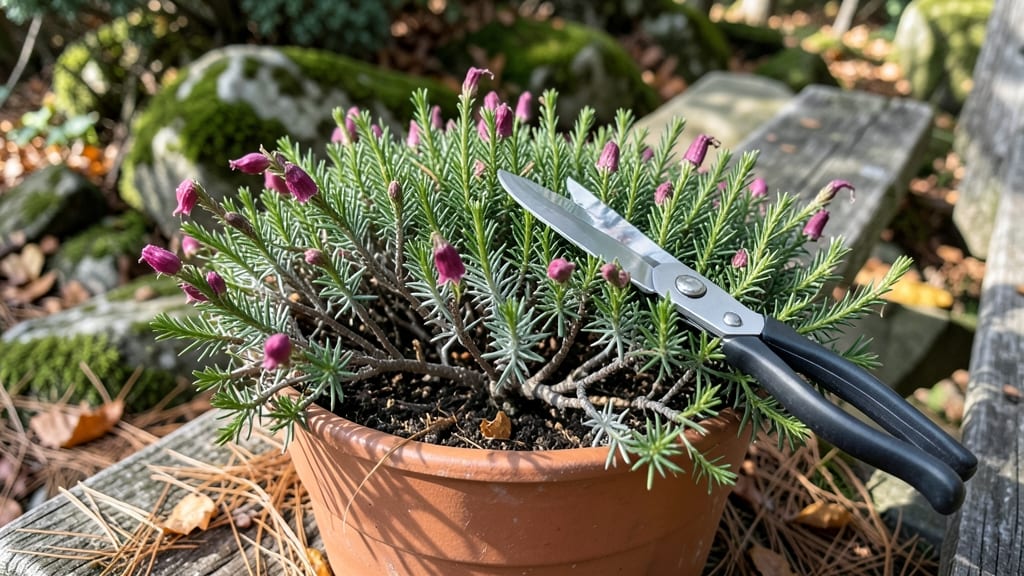
Cutting back heather plants isn’t just about tidying up—it’s the secret to keeping them lush and flowering for years. I learned the hard way when my heather turned into a tangled mess after skipping this step, but now I prune every spring and watch those vibrant blooms return like clockwork.
The timing and technique make all the difference, and once you master it, your heather will look like a professional landscaper did it. ✨
You only need three things: sharp pruning shears, a sunny day after flowering, and a clear idea of where your plant’s natural shape should be. The actual cuts are simpler than they seem—just trim back about a third of the oldest growth while leaving the freshest stems intact.
Most gardeners overthink this, but heather is tougher than it looks. Even if you make a mistake, it bounces back faster than you’d expect.
After pruning, your heather will reward you with fresh, compact growth and a burst of new blooms next season. The foliage stays dense and vibrant, and those signature purple or pink flowers come back stronger.
It’s like hitting the reset button on your plant’s energy, and the results are visible within weeks. The key is consistency—do this once a year, and your heather will thank you for decades.
Works for all heather varieties, from low-growing ground covers to taller shrub types. Whether you’re in a dry climate or a damp one, the same principles apply—just adjust timing slightly for late-summer bloomers. Let’s get those shears ready and revive your heather’s structure the simple way.
📚 In This Guide
- What you need
- Instructions
- Tips and common mistakes
- Wrapping up and next steps
What you need
- ● Pruning shears – Sharp, bypass-style shears (4-6 inches) for clean cuts. Dull blades crush stems—avoid this!
- ○ Long-handled loppers (optional but helpful) – For taller heather bushes (18-24 inches), especially if you’re working from the ground.
- ● Garden gloves – Heavy-duty, cut-resistant gloves (e.g., leather or synthetic) to protect against thorns and rough edges.
- ● Garden twine or plant ties – For securing branches if you’re pruning in stages.
- ● Disinfectant (70% isopropyl alcohol or bleach solution) – Clean tools between cuts to prevent disease spread.
- ● Garden bag or bucket – To collect clippings (10-20 gallons, depending on plant size).
- ○ Rake or leaf blower – For clearing debris afterward (optional but handy).
- ● Hand pruners – For smaller, detailed trims (if your shears aren’t ergonomic).
- ● Knee pads – If your heather is ground-level or you’ll be kneeling for extended periods.
- ● Mulch or compost – To refresh the soil after pruning (1-2 inches).
- ● Pruning saw – Only if dealing with extremely thick woody stems (rare for heather).
Step-by-Step instructions for cutting back heather plants
Here's how to revive your heather's shape with just three straightforward cuts—no fuss, no guesswork.
🌿 Step 1: Wait for the Right Time to Prune
Heather thrives when pruned right after flowering, typically in late spring or early summer—about 6-8 weeks after you see those pink or purple blooms fade. Pruning too early cuts off next year's flowers, while waiting too long risks leggy growth. I always check for new growth at the base before grabbing my shears.
If your heather bloomed in spring, prune in June or July. For summer-flowering varieties, wait until August or September. This timing ensures you don’t sacrifice next season’s beauty. Never prune in winter—heather’s evergreen foliage stays attractive year-round, and cutting back then stresses the plant.
✂️ Step 2: Cut Back Leggy Growth and Shape the Plant
Start by removing any dead or woody stems at the base with clean, sharp pruners. These won’t regrow, so snipping them out tidies up the plant and redirects energy to healthier growth. Next, look for long, bare stems reaching beyond the plant’s natural shape—these are your first targets.
Make your cuts just above a set of healthy leaves or a side shoot. Avoid cutting into old wood (gray or bare stems)—this won’t produce new growth. For shaping, trim back one-third of the oldest growth to encourage fresh, compact foliage. Heather responds well to a rounded or mounded shape, so follow its natural form rather than forcing geometric cuts.
🌱 Step 3: Revive the Center and Encourage Bushiness
Heather often gets woody and sparse in the center over time. To fix this, focus on thinning out congested areas by cutting back selective stems to the base. This opens up airflow and sunlight, which prevents mold and encourages new shoots to fill in gaps. I like to work in small sections, stepping back often to check the balance.
After trimming, your heather should look fuller and more vibrant. If it feels too bare, don’t worry—new growth will sprout from the sides within 4-6 weeks. Water lightly after pruning to help it recover, but avoid overwatering, which can rot tender new shoots. Mulch with 2-3 inches of bark chips (if using) to retain moisture and protect roots.
Tips & tricks for perfect heather plant revival
Here's what nobody tells you about heather pruning—and how to avoid common mistakes that leave your plants looking half-hearted.
Timing is Everything: The 6-8 week window after flowering is non-negotiable for spring bloomers. I learned this the hard way after pruning too early and losing next year's blooms. For summer-flowering varieties, mark your calendar for August—early September at the latest. The key is seeing new growth at the base before you cut. This tells you the plant is ready to regenerate.
The One-Third Rule: When shaping your heather in Step 2, remember the magic number: one-third. This is the maximum you should remove to avoid stressing the plant. I always work in small sections, taking just a third of the oldest growth from each area. This keeps the plant full while encouraging fresh, compact foliage. Think of it like giving your heather a haircut—you wouldn't shave off half your head!
Tool Prep Matters: Before you start, clean your pruners with rubbing alcohol to prevent spreading disease between cuts. I also recommend sharpening your blades—dull shears crush stems instead of making clean cuts, which can damage the plant. For thicker stems, use bypass pruners rather than anvil types, which can tear the plant tissue. Sharp tools mean less stress on your heather and a cleaner look.
Center Stage Revival: The secret to fixing woody centers is selective thinning. In Step 3, focus on removing just the most congested stems to the base rather than hacking away at everything. This creates space for new shoots to emerge from the sides. I like to work in small sections, stepping back every few cuts to check the balance. Think of it like sculpting—you're revealing the plant's natural shape rather than forcing a new one.
Pro Tips for Cutting Back Heather Plants
- Here's what nobody tells you about heather pruning—and how to avoid common mistakes that leave your plants looking half-hearted.
- Timing is Everything: The 6-8 week window after flowering is non-negotiable for spring bloomers.
- The One-Third Rule: When shaping your heather in Step 2, remember the magic number: one-third.
Frequently asked questions
Got questions about reviving your heather plants with a fresh cut? Here are some of the most common concerns—plus quick, actionable answers to keep your plants thriving!
When is the best time to cut back heather plants?
For Calluna and Erica heathers, prune after flowering in late spring or early summer. Avoid cutting in fall or winter, as new growth needs time to harden off before cold weather. If you missed the window, a light trim in early spring is better than nothing—but expect fewer blooms that year.
How much of the heather should I cut back?
Never cut more than 1/3 of the plant’s height at once. For most heathers, aim to trim back to just above a set of healthy leaves or buds. Over-pruning can stress the plant and leave it vulnerable to pests or disease. Think of it like a haircut—less is more for long-term health!
Can I cut heather plants back too short?
Yes! Cutting heather down to the ground (or nearly so) can stimulate fresh growth, but it may reduce flowering for 1–2 years. If your plant is leggy or overgrown, a hard prune can rejuvenate it—but space out the process over 2–3 years for best results. Pro tip: Label pruned plants to track their recovery progress!
What if my heather doesn’t bloom after pruning?
Lack of blooms often means you pruned too late (after mid-summer) or cut back too aggressively. Next time, time your cuts for after flowering and avoid trimming into old wood. Feed with a high-potassium fertilizer in early spring to encourage blooms. Patience is key—some varieties take 2 years to rebound!
Are there alternatives to cutting back heather?
If pruning feels too drastic, try thinning out instead: Remove only the oldest, woody stems at the base to improve airflow. For Erica heathers, you can also shear lightly to shape them without full renewal pruning. Just avoid heavy cuts—these plants thrive on structure, not drastic changes!
Wrapping up and next steps
Cutting back heather plants doesn’t have to be intimidating—with the right timing, tools, and technique, you can revive their evergreen structure and encourage lush, vibrant growth! 🌿 Whether you’re a seasoned gardener or just starting out, these three simple cuts will keep your heather thriving for years to come.
Now that you’re armed with the knowledge, grab your pruners and give your heather the fresh start it deserves—your garden will thank you!
Ready to take the next step? Mark your calendar for your next pruning session (fall or early spring) and enjoy the beauty of a well-maintained heather hedge!