
Pruning
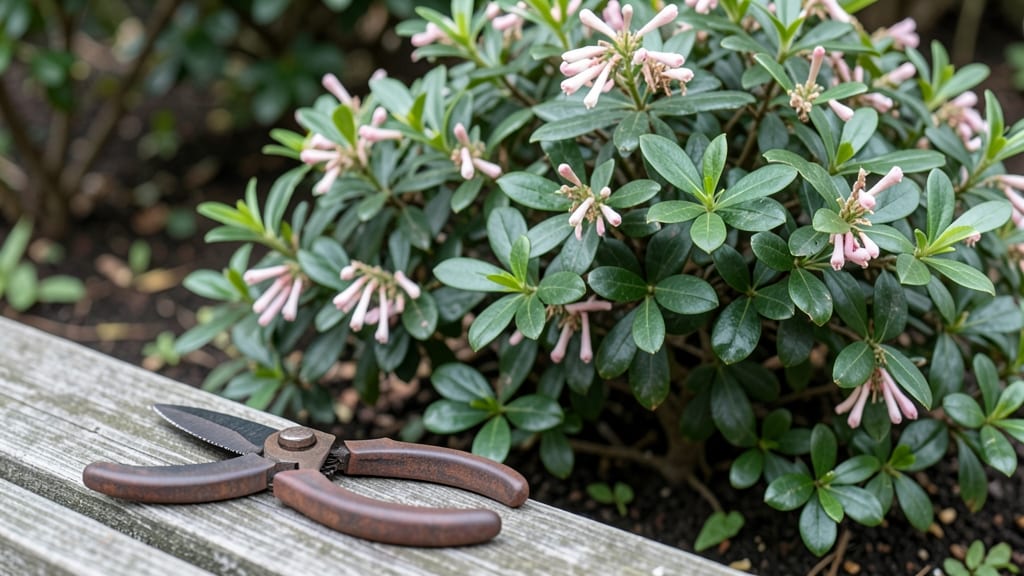
Pruning daphne plants keeps those intoxicating blooms coming back year after year—if you do it right. 🌿 I’ve spent years watching daphne bushes either explode with flowers or sit there stubbornly bare, and the difference always comes down to timing and technique. These fragrant shrubs reward precision, not brute force.
The key is cutting after the flowers fade but before new growth starts—usually late spring or early summer. You’ll need sharp bypass pruners, a clean cutting surface, and a clear head for removing dead wood while leaving healthy stems. Daphne hates heavy pruning, so think "light touch" rather than "haircut."
When you’re done, you’ll have a bush that bursts with new growth and next season’s flower buds forming right at the tips. The scent alone makes it worth the effort, and the plant stays compact instead of leggy.
Just avoid pruning in fall or winter—you’ll cut off next year’s blooms before they even start.
This method works for all daphne varieties, from the compact Daphne odora to sprawling types like Daphne mezereum. The secret’s in the patience—one careful trim now means a showstopper display for years to come.
📚 In This Guide
- What you need
- Instructions
- Tips and common mistakes
- Wrapping up and next steps
What you need
- ● Bypass pruning shears: Sharp, clean, and sterilized (alcohol wipe or bleach solution). Choose a pair with 4- to 6-inch blades for precision.
- ● Hand pruners (loppers): For thicker stems (½-inch or larger). Opt for bypass-style with a 6- to 8-inch reach.
- ○ Gloves: Heavy-duty, gardening-grade gloves (nitrile-coated for grip and protection). Optional: Waterproof if working in damp conditions.
- ● Disinfectant: 70% isopropyl alcohol or a 1:10 bleach-water solution (for sterilizing tools between cuts).
- ● Pruning saw: Curved-tooth saw for stubborn, woody stems (if your daphne has thick growth).
- ● Trash bag or bucket: For collecting pruned debris (prevents disease spread).
- ● Hose or spray bottle: To rinse tools and clean cuts.
- ○ Pruning sealant: Optional for large cuts (e.g., tree wound pruning paste) to prevent disease entry.
- ● Ladder or step stool: If your daphne is taller than 6 feet (safety first!).
- ● Notebook & pen: To jot down pruning notes (e.g., bloom cycles, stem markings).
- ● Plant food: Balanced fertilizer (e.g., 10-10-10) for post-pruning recovery.
- ● Mulch: Organic mulch (e.g., shredded bark) to retain moisture after trimming.
Step-by-Step instructions for daphne plant pruning
Here's how I keep my daphne blooming reliably year after year—no guesswork, just precise timing and technique.
✂️ Step 1: Prune Immediately After Spring Blooming
Daphne flowers on last year's growth, so the key is pruning right after blooms fade—usually in late April or early May. Wait until all flowers have dropped completely, then trim back the spent stems by one-third using sharp, clean pruners. I always cut just above a leaf node or bud to encourage new growth from there.
This is the moment that matters: if you prune too early, you'll cut off next year's flower buds. If you wait too long, the plant wastes energy on seed production. Look for stems that have fully browned and dried—those are ready for removal.
✂️ Step 2: Lightly Shape in Early Summer
About 6 weeks after spring pruning, give your daphne a light shaping trim to maintain its form. Remove any crossing or rubbing branches first—these compete for energy and can create entry points for disease. Then, thin out about 10% of the oldest stems at their base to encourage fresh growth from the center.
Use sterilized pruners (wipe blades with rubbing alcohol between cuts) to prevent spreading any potential infections. Daphne has delicate stems, so avoid heavy-handed cuts—just enough to open up the center for better air circulation and light penetration.
✂️ Step 3: Minimal Cleanup in Late Summer
In August, focus on removing any dead, diseased, or damaged growth. Daphne rarely needs heavy pruning at this stage, but I always check for stems that have turned brown or developed black spots from fungal issues. Cut these out completely, and dispose of them in the trash—not the compost.
This is also when I inspect for any weak growth that might not survive winter. If you notice any stems that look particularly thin or leggy, you can trim them back by half to redirect the plant's energy into stronger new growth for next year.
✂️ Step 4: Final Winter Preparation
After the first hard frost, give your daphne one last check. Remove any remaining dead growth and cut back any stems that have been damaged by cold. While daphne is generally hardy, a little protective pruning now prevents winter dieback and encourages vigorous spring growth.
I never prune more than 20% of the plant in winter—this keeps the structure intact while removing anything that might harbor pests or disease over the cold months. Mulch around the base with 2-3 inches of organic mulch to protect roots from freezing temperatures.
⏰ Step 5: Post-Bloom Maintenance Year-Round
Throughout the year, keep an eye out for any suckers or water sprouts that appear at the base. These compete with the main plant and should be removed as soon as they appear. Daphne responds well to gentle, regular maintenance rather than heavy pruning sessions.
Here's the thing—daphne doesn't like being moved or transplanted once established, so avoid any major structural changes. The goal is to maintain its natural shape while encouraging healthy, flowering growth. With this approach, you'll get those fragrant blooms every spring for years to come.
Tips & tricks for perfect daphne plant pruning
A few simple tricks will help you keep your daphne blooming beautifully for years—without the guesswork.
The Timing Secret: In Step 1, that late April to early May window is crucial because daphne flowers on last year's growth. I learned this the hard way after pruning too early and missing next year's blooms. Mark your calendar based on when your daphne finishes flowering—usually when all flowers have browned and dropped completely. If you're unsure, wait until you see those dried-up stems before cutting.
Pruning Precision: When you're trimming back those spent stems in Step 1, always cut just above a leaf node or bud. This encourages new growth from exactly where you want it. I use a small magnifying glass to spot those tiny buds if my eyes aren't as sharp as they used to be. The goal is to make clean cuts that leave the plant looking intentional, not hacked.
Tool Maintenance: Your pruners are just as important as your timing. Sterilize them between cuts in Step 2 using rubbing alcohol—this prevents spreading any potential infections. I keep a small bottle of alcohol right next to my gardening tools and wipe them down after every few cuts. Sharp, clean tools make all the difference in how well your daphne heals and grows afterward.
Seasonal Strategy: In Step 4, that 20% winter pruning limit is your safety net. I think of it like giving your daphne a winter haircut—just enough to tidy up without sacrificing next year's potential. Focus on removing only what's truly damaged or dead, and leave the rest to build strength for spring. The mulch layer is just as important—those 2-3 inches of organic material act like a cozy blanket for the roots during cold months.
Pro Tips for Daphne Plant Pruning
- A few simple tricks will help you keep your daphne blooming beautifully for years—without the guesswork.
- The Timing Secret: In Step 1, that late April to early May window is crucial because daphne flowers on last year's growth.
- Pruning Precision: When you're trimming back those spent stems in Step 1, always cut just above a leaf node or bud.
Frequently asked questions
Got questions about keeping your Daphne plant in tip-top shape? You’re not alone! Here are some of the most common concerns—plus quick, actionable answers to keep those fragrant blooms coming year after year.
When is the best time to prune my Daphne plant?
Prune your Daphne right after flowering (usually late spring to early summer) to encourage new growth and next year’s blooms. Avoid heavy pruning in fall or winter, as Daphne plants are semi-evergreen and need time to recover before dormancy. A light tidy-up in late winter (if needed) is fine, but avoid cutting back into old wood.
How much can I cut back my Daphne without harming it?
Daphne plants thrive with moderate pruning—never cut back more than 1/3 of the plant’s height in a single session. Focus on shaping, removing dead wood, and thinning crowded stems. Over-pruning can stress the plant and reduce flowering. If your Daphne is leggy, prioritize cutting back the oldest stems first to promote younger, bushier growth.
My Daphne isn’t blooming after pruning. What went wrong?
If your Daphne skips blooms, it might be due to over-pruning or cutting back into old wood (which won’t produce new flowers). Always prune just above a leaf node or bud to stimulate growth. Also, ensure your plant gets full sun to partial shade and well-draining soil—Daphne blooms best with proper care and minimal stress.
Can I propagate my Daphne from pruned cuttings?
Daphne cuttings root easily in spring or early summer. Take 4–6 inch semi-hardwood cuttings (just as new growth starts), dip in rooting hormone, and plant in a mix of perlite and peat. Keep them moist and in bright, indirect light until roots form (4–6 weeks). This is a great way to expand your collection or share with fellow gardeners!
Do I need to prune Daphne in winter?
Winter pruning is not recommended unless you’re removing dead, damaged, or diseased branches. Daphne plants are semi-evergreen and sensitive to cold stress. If you must prune in winter, do so lightly and only after a mild day. Avoid heavy cuts—wait until spring to shape the plant properly.
Wrapping up and next steps
Mastering daphne plant pruning is your golden ticket to a garden bursting with fragrant blooms year after year! 🌸 By following the right timing, tools, and techniques—whether it’s light shaping or rejuvenating cuts—you’ll keep your daphne thriving and lush. Remember, patience and precision pay off in stunning, repeat performances.
Ready to put your new skills to work? Grab your pruners and schedule your next session! Your daphne will thank you with a symphony of scent and color. 🌿✨