
Pruning
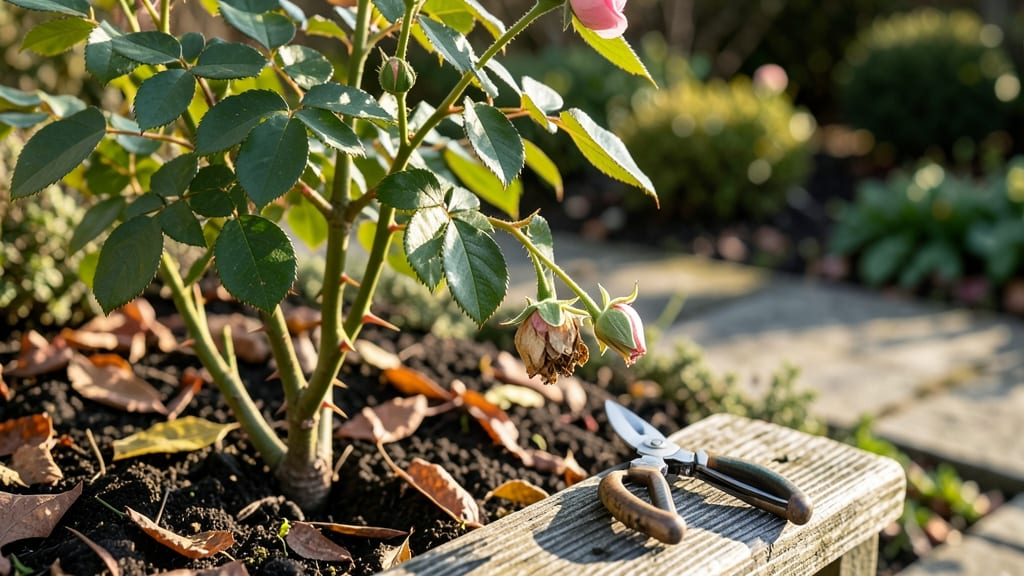
Deadheading plants in October isn’t just about tidying up—it’s the secret to stronger roots and next year’s blooms. ✨ I’ve learned that skipping this step means plants waste energy on seeds instead of storing nutrients for winter.
Just three precise cuts can make all the difference for perennials like coneflowers or annuals like zinnias.
The right timing matters: wait until flowers fade but before hard frost hits. Use clean pruners or your fingers to snip just above a leaf node, never leaving stubs. This small action redirects a plant’s focus from seed production to root growth, setting the stage for a more vigorous spring.
You’ll notice thicker stems and healthier foliage by late fall, and come spring, your plants will burst with more blooms than ever. The key is consistency—check your garden weekly in October to stay ahead of fading flowers before cold sets in.
Works for most perennials and frost-tolerant annuals, though tender plants should be deadheaded earlier. Grab your pruners and give your garden one last boost before winter arrives.
📚 In This Guide
- What you need
- Instructions
- Tips and common mistakes
- Wrapping up and next steps
What you need
- ● Sharp pruning shears – Bypass-style (4-6 inch blades) for clean cuts. Avoid dull tools that crush stems!
- ● Hand pruners – For smaller stems or tight spaces (look for ergonomic grips).
- ● Garden gloves – Durable, cut-resistant (e.g., nitrile-coated) to protect hands from thorns and sharp edges.
- ● Disposable garden bags or bucket – For collecting spent blooms and debris (1-2 gallon size).
- ● Hose or watering can – To clean tools between cuts and rinse off sap.
- ○ Rake or leaf blower – Optional but helpful for clearing fallen petals and debris from pathways.
- ● Disinfectant spray (e.g., 10% bleach solution) – To sterilize tools between plants and prevent disease spread.
- ● Knee pads or stool – For comfort if you’re deadheading low-lying plants or large beds.
- ● Sharpie or plant markers – To label newly pruned plants if you’re testing different techniques.
- ● Compost bin – For repurposing healthy, disease-free plant clippings.
How to deadhead plants for a stronger October garden
Here's how to keep your garden thriving through fall by making just three strategic cuts.
🌿 Step 1: Identify and Remove Spent Blooms
Start by scanning each plant for faded or wilting flowers—the ones that have lost their color or dropped petals. These spent blooms signal the plant to redirect energy into seed production instead of new growth. Use clean, sharp pruners to make a clean cut just above the first set of healthy leaves or buds below the bloom.
I always work from the top down, moving systematically through each plant. This ensures I don't miss any hidden blooms and keeps the garden looking tidy. For delicate stems, pinch them off by hand to avoid damaging the plant. You'll notice a difference within days as fresh buds begin to form.
✂️ Step 2: Prune Leggy or Overgrown Stems
Next, focus on stems that have stretched too tall or become woody and unproductive. These often appear leggy, with long sections between leaves. Cut these stems back by about one-third to encourage bushier growth. This also prevents the plant from becoming top-heavy and vulnerable to wind or snow.
Make your cuts at a 45-degree angle just above a leaf node or bud. This angle helps water run off the stem, reducing the risk of rot. Avoid cutting into old wood or stems that feel hollow—these won't regenerate. You'll see new side shoots emerge within 2-3 weeks, giving your plants a fuller, healthier look.
🌱 Step 3: Thin Out Crowded Foliage
Overcrowded plants struggle to breathe and are more susceptible to pests and disease. Look for areas where leaves or stems are rubbing against each other or blocking sunlight from reaching the center of the plant. Gently remove any overlapping or damaged leaves, focusing on the outer edges first.
Use your fingers to pull out weak or yellowing leaves rather than cutting them—this minimizes stress on the plant. If you notice any signs of disease, like black spots or powdery mildew, remove those leaves immediately and dispose of them in the trash, not the compost. A well-ventilated plant will bounce back stronger and healthier.
⏰ Step 4: Prepare for Winter with Final Cuts
As temperatures drop, give your perennials one last trim to remove any remaining dead or dying foliage. Cut back stems to about 2-3 inches above the ground, but leave any seed heads if you want to attract birds over winter. This final cut helps protect the plant's energy reserves for next spring.
For tender perennials or those sensitive to frost, consider wrapping the base with burlap or straw to insulate the roots. Water deeply before the first hard freeze to ensure the plant has enough moisture stored. You'll see how much healthier your garden looks come spring—stronger stems, fewer pests, and more vibrant blooms.
Tips & tricks for perfect fall deadheading
Here's what I've learned after years of fall gardening—these tricks will help your plants bounce back stronger for next spring.
The Heat Factor: Always deadhead in the morning when plants are hydrated and temperatures are cooler. This reduces stress on the plant and helps prevent disease from entering through fresh cuts. I've found that late afternoon deadheading can sometimes shock plants, especially in October's cooler evenings.
Tool Technique: Sterilize your pruners between plants to prevent spreading disease. Simply wipe blades with rubbing alcohol or dip them in a 10% bleach solution between cuts. I keep a small spray bottle of diluted bleach solution (1 part bleach to 9 parts water) right by my gardening tools for quick sterilization. This is especially important in October when fungal diseases become more active.
Visual Cues: Look for the first set of healthy leaves or buds below the spent bloom when making your cuts in Step 1. These are your growth points—they'll tell you where new flowers will emerge. For tougher stems, I like to make a small nick just above the bud with my pruners first to find the exact spot, then complete the cut cleanly.
Seasonal Strategy: For October deadheading, focus on perennials rather than annuals. Perennials store energy in their roots for next year, so giving them a clean finish now helps them prepare for winter dormancy. Annuals will naturally die back, so you can be less precise with their final cuts.
Pro Tips for Deadheading Plants October
- Here's what I've learned after years of fall gardening—these tricks will help your plants bounce back stronger for next spring.
- The Heat Factor: Always deadhead in the morning when plants are hydrated and temperatures are cooler.
- Tool Technique: Sterilize your pruners between plants to prevent spreading disease.
Frequently asked questions
about deadheading in October—because even gardeners need a little clarity! Here are answers to the most common questions to help you tackle this task with confidence.Why is deadheading in October important for winter prep?
Deadheading in October redirects the plant’s energy toward root and stem growth instead of seed production. This strengthens plants for winter, reduces self-seeding, and keeps gardens tidy. Plus, it prevents diseases from lingering on spent blooms!
Can I deadhead too late in October?
While October is ideal, avoid deadheading right before a hard frost—focus on plants that are still blooming or have fresh growth. For late bloomers like asters or sedum, a light trim is fine, but avoid heavy cuts on frost-sensitive varieties.
What if my plant looks sad after deadheading?
Don’t panic! Some plants (like perennials) may look bare but are storing energy underground. Water well after pruning, and avoid fertilizing—roots need time to recover. New growth will return in spring if the plant was healthy before the cut.
Do I need special tools for October deadheading?
Nope! Basic tools like clean pruners, shears, or even your fingers work. Just sterilize blades with rubbing alcohol to prevent spreading disease. For large-scale tasks, hedge trimmers or loppers can speed things up.
Are there plants I shouldn’t deadhead in October?
Yes! Skip deadheading on:
- Dormant plants (e.g., roses, peonies)—wait until spring.
- Seed-saving favorites (like coneflowers or black-eyed Susans).
- Evergreens (they’re not blooming anyway!).
Wrapping up and next steps
Deadheading plants in October isn’t just about tidying up—it’s your secret weapon for stronger, more vibrant blooms next spring! 🌱 By focusing on three key cuts (spent flowers, leggy stems, and overcrowded foliage), you’ll encourage healthier growth and prepare your garden for winter’s chill.
Think of it as a gift to your future garden—a little effort now means big rewards when spring rolls around.
Ready to roll up your sleeves? Grab your pruners and start today! Your garden (and future you) will thank you. 🌸✨