
Pests
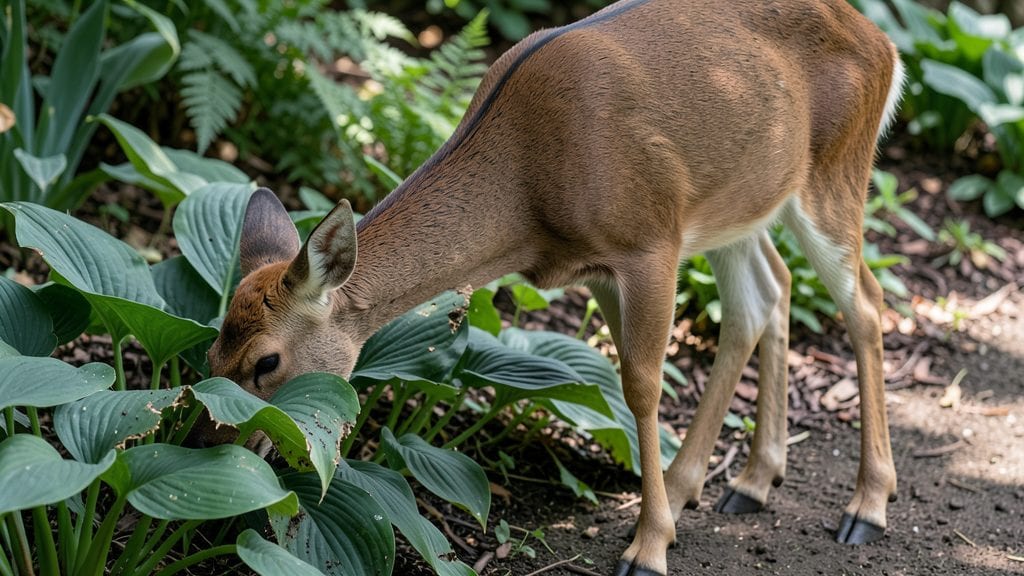
Hostas and deer make a terrible combo—your lush foliage becomes their all-you-can-eat buffet. 🌿 I’ve lost count of the hosta plants devoured overnight, but I’ve also learned which varieties and tricks actually work to keep them safe.
The key isn’t just picking the right hostas; it’s combining plant choices with smart deterrents that deer can’t ignore.
Start with hosta varieties like ‘Halcyon’ or ‘Patriot,’ which deer avoid more often—but don’t count on them alone. Pair them with strong-smelling companions like lavender, Russian sage, or garlic chives, which mask your hostas’ scent.
Physical barriers like 8-foot fencing or chicken wire wrapped around individual plants add another layer of defense. The best systems combine both: repellents to deter and barriers to block.
You’ll see results fast—within days, deer will start avoiding treated areas. The foliage stays intact, the variegation pops, and you’ll finally enjoy those hostas without the guilt of replanting every spring. The trade-off? Some methods (like fencing) take more upfront work, but they pay off in peace of mind.
Works for shady borders, woodland gardens, or even container hostas on patios. The secret is persistence—deer are clever, but they’re not invincible. Let’s build your defense plan step by step.
📚 In This Guide
- What you need
- Instructions
- Tips and common mistakes
- Wrapping up and next steps
What you need
- ● Deer-resistant hosta varieties (3–5 plants per section) – Opt for cultivars like 'Halcyon,' 'Francee,' 'Blue Angel,' or 'June' (rated 1–3 on deer resistance scales).
- ● High-quality mulch (2–3 inches, spread evenly) – Use cedar chips, pine straw, or wood chips (deer dislike the scent). Quantity: Enough to cover the root zone of all hostas.
- ● Compost or organic fertilizer (5–10 lbs per 10 sq ft) – Boosts plant health and resilience. Look for balanced NPK (10-10-10) or slow-release options.
- ○ Physical barriers (optional but highly effective) – Plastic tree guards (6–12 inches tall) – Install around individual hostas.
- ● Wire mesh fencing (8 ft tall, 1-inch grid) – For larger garden sections. Note: Bury 6 inches underground to prevent digging.
- ● Deer repellent sprays (1–2 gallons per 100 sq ft) – Choose natural options like rotten egg spray, garlic-based repellents, or commercial deer deterrents (e.g., Liquid Fence). Reapply every 2–4 weeks.
- ● Garden gloves (1 pair) – Protects hands from mulch and soil.
- ● Pruners or shears (sharp, sterilized) – For trimming damaged foliage.
- ● Garden fork or trowel – For planting and mulching.
- ● Watering can or hose (with adjustable nozzle) – Hostas need 1–1.5 inches of water weekly.
- ● Spray bottle (8 oz, for repellent application) – For targeted treatments.
- ○ Stakes and twine (optional) – To secure young hostas or barriers in windy areas.
- ● Weather forecast check – Plan planting/mulching for overcast days or early morning to reduce stress on plants.
- ● Companion plants (e.g., lavender, Russian sage, or daffodils) – Deer avoid these; plant in clusters around hostas.
- ● Motion-activated sprinklers – Startles deer with a sudden spray (cover with mulch to avoid wetting hostas).
- ● Ultrasonic repellent devices – Battery-powered units that emit high-frequency sounds (check local regulations).
- ● Plant tags with deer-resistant labels – Helps track which varieties thrive in your area.
How to protect your hostas from deer damage
Here's how I've kept my hostas thriving despite neighborhood deer—no fences required.
🌱 Step 1: Choose Deer-Resistant Hostas
Not all hostas are equal when it comes to deer resistance. Varieties like 'Blue Angel', 'Halcyon', and 'Patriot' have tougher foliage that deer avoid. I always check the plant tag or research before buying—deer resistance ratings are usually listed alongside disease resistance.
Look for hostas with thick, waxy leaves or strong fragrance, as these are natural deterrents. 'June' and 'Francee' are other reliable picks. Plant these in high-traffic deer areas first—they'll act as sacrificial barriers for more delicate plants nearby.
🌿 Step 2: Plant Strategically
Deer browse lower first, so I plant hostas in clusters of 3-5 plants rather than isolated specimens. This creates a dense foliage wall that's less appealing to nibble. Space them 12-18 inches apart to encourage rapid fill-in and minimize gaps where deer can reach tender new growth.
Position hostas near windbreaks or property edges where deer are less likely to wander. I also avoid planting them near food sources like vegetable gardens or bird feeders—deer will prioritize those over ornamental foliage. A 3-foot border of ornamental grasses around hosta beds adds an extra layer of protection.
☀️ Step 3: Use Physical Deterrents
I start with reflective objects like old CDs or aluminum pie pans scattered around hosta beds. Deer see these as predators during dawn/dusk browsing times. Move them weekly so deer don't get used to them. For high-risk areas, I install 18-inch tall chicken wire cages around individual plants.
Another trick: plant deer-repellent herbs like lavender, rosemary, or Russian sage around hostas. The strong scent masks the hosta's aroma, making the area less appealing. I also spray foliage with a 1% soap solution (mix 1 tablespoon mild liquid soap with 1 gallon water) every 2 weeks during browsing season.
✂️ Step 4: Monitor and Maintain
Check hostas weekly for damage, especially after heavy rains when deer are most active. I look for cleanly clipped edges (deer) versus jagged tears (slugs). If you find damage, move the plant to a safer location or reinforce deterrents immediately.
In late summer, I trim back any heavily browsed foliage to encourage new growth. This also makes the plants look fuller, which may deter deer who prefer easy snacks. For established hostas, I apply a layer of mulch around the base to protect emerging shoots from deer and slugs alike.
🌱 Step 5: Consider Alternative Solutions
If deer continue to target your hostas, I recommend hot pepper spray (available at garden centers). Mix according to package directions and reapply after rain. For severe cases, I've used motion-activated sprinklers that startle deer with a sudden spray when they approach.
Remember that deer behavior changes with seasons. They're most active at dawn and dusk during spring and fall. If you notice new damage, it's often a sign they've discovered a new food source—act quickly to reinforce protections before they establish a pattern.
Tips & tricks for protecting hostas from deer
Took me years of trial and error to figure out these hosta-saving strategies—here's what actually works in my garden.
Plant Placement Matters: In Step 2, when positioning your hostas near windbreaks, I've found that planting them on the north or east sides of shrubs or trees offers extra protection. Deer tend to avoid areas with limited visibility, and these locations create natural barriers. Also, avoid planting hostas in open areas where deer can easily spot them from a distance.
Reflective Object Rotation: For Step 3, don't just place those reflective objects and forget about them! I rotate mine every 5-7 days to prevent deer from becoming accustomed to their presence. Try using different shapes and sizes—deer are more likely to be startled by unfamiliar objects. I also add a few new reflective items every couple of weeks to keep them guessing.
Herb Selection Strategy: When using deer-repellent herbs in Step 3, I recommend planting lavender and rosemary closest to your hostas—their strong scents are most effective when concentrated. For a more subtle approach, try Russian sage or catmint, which deer also dislike but have a more delicate fragrance. Plant these herbs in a 1-foot border around your hosta beds for maximum protection.
Soap Spray Timing: The 2-week interval for your soap spray in Step 3 works best when applied right after dawn or before dusk—these are peak browsing times. I've noticed that applying it in the morning gives the soap solution time to dry before deer become active. Also, make sure to spray the undersides of leaves where deer often start their nibbling.
Pro Tips for Deer And Hosta Plants
- Took me years of trial and error to figure out these hosta-saving strategies—here's what actually works in my garden.
- Plant Placement Matters: In Step 2, when positioning your hostas near windbreaks, I've found that planting them on the north or east sides of shrubs or trees offers extra protection.
- Reflective Object Rotation: For Step 3, don't just place those reflective objects and forget about them!
Frequently asked questions
Got questions about keeping deer at bay with hosta plants? You’re not alone! Here are some of the most common concerns—and practical solutions—to help you protect your garden without losing sleep over hungry visitors.
Are there truly deer-resistant hosta varieties?
Yes! While no hosta is 100% deer-proof, certain varieties like Hosta plantaginea (fragrant hosta), Hosta lancifolia, or heavily textured cultivars (e.g., Hosta 'Blue Angel') are less appealing due to their tough leaves or strong fragrance. Deer tend to avoid these over smoother, tender varieties like Hosta 'Halcyon'.
When is the best time to plant hostas to deter deer?
Plant hostas in early spring or fall when deer are less active and your garden is establishing roots. Avoid late summer—this is when deer are most desperate for food! Pair planting with deer-repellent companions like lavender, marigolds, or alliums to boost protection from day one.
What’s the most effective way to protect hostas from deer if they’re already in my garden?
Start with physical barriers like 8-foot tall fencing or chicken wire wrapped around individual plants. For a low-tech fix, try commercial deer repellents (spray-on or granular) with capsaicin or rotten-egg scents—reapply after rain. Motion-activated sprinklers also work wonders!
Can I use hostas as a deer deterrent for other plants?
Hostas alone won’t stop deer, but they can distract them from more vulnerable plants like tulips or daylilies. Plant hostas in a buffer zone around high-value gardens or use them as a "sacrificial" border. Pair them with deer-unfriendly herbs (e.g., rosemary, thyme) for better results.
Why do deer sometimes ignore hostas, then munch them later?
Deer are opportunistic! If other food sources (like clover or young saplings) are scarce, they’ll turn to hostas—especially mature, tender varieties. Rotate repellent strategies (e.g., switch sprays or barriers seasonally) to keep them guessing. Overwatered or stressed hostas also become tastier, so maintain healthy soil!
What’s a good alternative if deer keep destroying my hostas?
Try deer-resistant perennials like heuchera (coral bells), bergenia, or sedum. For shade gardens, Japanese painted fern or foamflower are tougher choices. If you love hostas, consider container gardening with elevated pots—deer usually avoid climbing!
Wrapping up and next steps
Protecting your hostas from deer doesn’t have to be a battle—just a smart strategy! 🌿🦌 By choosing deer-resistant varieties, leveraging natural deterrents, and creating physical barriers, you can keep your garden thriving. Remember, consistency is key, so monitor and adjust your defenses as needed.
Ready to reclaim your garden? Start by planting a mix of resilient hostas and testing a few deterrent methods this season. Your lush, deer-free foliage awaits—happy gardening! 🌱