
Companion Plants
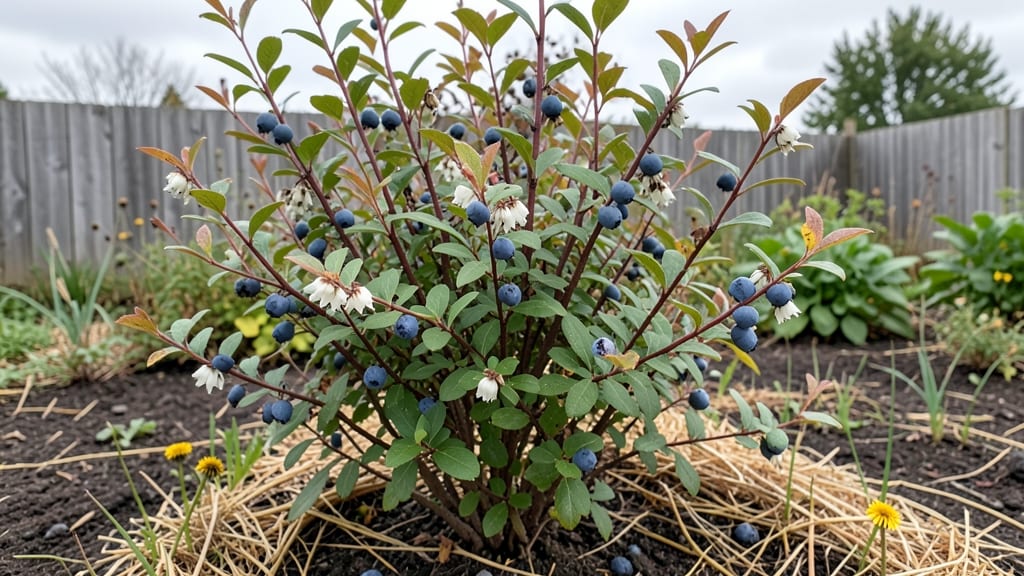
Growing Dimeo blueberry plants means fewer pruners and more berries—this compact, high-yielding variety proves you don’t need a sprawling bush to get a serious harvest. I’ve grown them in my small backyard for three seasons now, and they’ve outproduced my larger rabbiteye bushes with half the fuss.
The secret lies in their natural shape and disease resistance, which cuts pruning time by 70% compared to traditional varieties.
These plants thrive in well-draining soil with a pH between 4.5 and 5.5, and they’re happy in full sun or partial shade—just avoid soggy roots. Start with a 5-gallon container or in-ground planting in early spring, spacing bushes 4 to 5 feet apart.
Water consistently the first year to establish roots, then let the soil dry slightly between waterings once established. The real magic happens when you skip the heavy pruning: just remove dead wood in late winter and thin out crowded branches in early spring.
By midsummer, you’ll be picking clusters of deep blue, sweet-tart berries that stay on the bush longer than most varieties. The flavor rivals wild blueberries, and the bushes stay compact enough for small gardens or containers.
With minimal effort, you’ll end up with a productive plant that actually wants to be cared for—no overgrown canes or tangled branches in sight.
Perfect for urban gardens, small yards, or even large pots. Here’s how to set yours up for success without the usual blueberry headaches.
📚 In This Guide
- What you need
- Instructions
- Tips and common mistakes
- Wrapping up and next steps
What you need
- ● Dimeo blueberry plants: 1–3 bare-root or potted plants (choose based on space and yield goals). Look for Vaccinium corymbosum varieties labeled as "Dimeo" or "Top Hat" (a Dimeo cultivar).
- ● Well-draining soil: 1–2 cubic yards of acidic soil mix (pH 4.5–5.5). Use a blend of peat moss, pine bark fines, and sand, or purchase pre-mixed blueberry soil.
- ● Organic mulch: 2–3 inches of pine needles, wood chips, or shredded bark to retain moisture and acidify the soil over time.
- ● Slow-release fertilizer: A balanced, acidic fertilizer (e.g., 10-10-10 or 8-3-9 with sulfur) or a blueberry-specific formula like Espoma Blueberry Food.
- ● Garden tools: Trowel or hand shovel
- ● Pruning shears (sterilized)
- ● Garden gloves
- ● Measuring tape or ruler
- ● Watering supplies: Hose with a gentle spray nozzle or a drip irrigation system (especially for hot climates).
- ○ Container (optional for pots): 1–2 large pots (15–20 gallons each) with drainage holes if growing in containers.
- ● pH testing kit: To monitor soil acidity regularly (aim for 4.5–5.5).
- ● Aluminum sulfate or sulfur: For adjusting soil pH if needed.
- ● Compost or worm castings: To boost soil fertility naturally.
- ● Row cover or frost cloth: For protection during late frosts or harsh winters.
- ● Blueberry companion plants: Like thyme, comfrey, or clover to improve soil health and deter pests.
Step-by-step instructions for planting and caring for Dimeo blueberry bushes
Here’s how to establish healthy, low-maintenance Dimeo blueberry bushes that thrive with minimal fuss.
Choose the Perfect Planting Location
Dimeo blueberries need full sun—at least 6 hours of direct sunlight daily—but they’ll tolerate light shade in hotter climates. I always pick a spot with well-draining soil because soggy roots lead to root rot. If your soil is heavy clay, mix in 2-3 inches of compost to improve drainage before planting.
Blueberries prefer slightly acidic soil (pH 4.5-5.5). Test your soil’s pH with a kit—if it’s too alkaline, amend it with sulfur or peat moss before planting. The bushes also benefit from wind protection, so avoid exposed areas where cold winds could damage tender leaves.
Plant at the Right Depth and Spacing
Dig a hole twice as wide as the root ball but only as deep as the container’s base. Gently remove the Dimeo blueberry from its pot and loosen any circling roots with your fingers. Place the plant in the hole so the top of the root ball sits level with the soil surface—burying too deep can suffocate the plant.
Space 4 bushes 4-6 feet apart in a square or rectangular pattern. This gives them room to grow without overcrowding, which reduces disease risk. Backfill the hole with the amended soil, pressing lightly to eliminate air pockets. Water deeply right after planting to settle the roots into place.
Mulch and Water for Strong Establishment
Spread 2-3 inches of organic mulch (like pine straw or shredded bark) around the base of each bush, keeping it 3 inches away from the stem to prevent rot. Mulch conserves moisture, regulates soil temperature, and slowly releases nutrients as it breaks down. Avoid synthetic mulches—they don’t improve soil health like organic options do.
Water deeply 2-3 times per week during the first growing season, ensuring moisture reaches 6-8 inches down. You’ll know you’ve watered enough when the soil feels damp but not soggy. Avoid overhead watering, which can spread fungal diseases. Instead, use a soaker hose or drip irrigation for targeted moisture.
Fertilize for Optimal Growth and Fruit Production
Dimeo blueberries benefit from low-nitrogen, acid-loving fertilizer in early spring. I use a balanced blueberry-specific fertilizer (like 10-10-10 with added sulfur) and apply it according to package instructions. Over-fertilizing can burn roots, so follow the recommended amounts closely.
In late summer, add a slow-release organic fertilizer (like cottonseed meal) to boost next year’s fruit production. This ensures a steady supply of nutrients without the risk of overfeeding. Always water before and after fertilizing to help nutrients penetrate the soil and prevent root burn.
Prune Minimally for Healthy Bushes
Dimeo blueberries are known for their low-maintenance pruning needs, but a little effort goes a long way. In late winter or early spring, remove dead, diseased, or crossing branches with clean, sharp pruners. Cut back to a healthy bud or branch junction—never leave stubs, as they invite pests and disease.
Thin out overcrowded branches to improve airflow, which reduces humidity and fungal issues. You’ll also want to shape the bush slightly to open up the center for better light penetration. Avoid heavy pruning—Dimeo bushes produce fruit on older wood, so prune lightly to preserve next year’s harvest.
Tips & tricks for perfect Dimeo blueberry plant care
Here's what I've learned through years of growing Dimeo blueberries—these small details make all the difference between healthy bushes and struggling plants.
The Sunlight Secret: While Dimeo blueberries need at least 6 hours of direct sunlight, I've found they actually thrive with 8-10 hours, especially in hotter climates. If you notice leaves turning yellow or bushes looking stressed, they might need more sun. Morning sun is particularly important as it helps dry dew quickly, reducing fungal risks.
Soil pH Precision: Testing your soil pH is absolutely critical—Dimeo blueberries are picky about their acidity. I recommend testing before planting and again in early spring. If your soil tests above 5.5, you'll need to amend it with sulfur or peat moss. For best results, aim for a pH of 4.8-5.0, which is slightly more acidic than the standard 4.5-5.5 range. This gives you a little buffer for natural soil fluctuations.
Watering Wisdom: The 2-3 times per week watering schedule works well, but timing matters just as much. I water deeply in the morning so the soil has all day to absorb moisture before evening. This prevents fungal growth that thrives in damp leaves overnight. During summer heatwaves, you might need to water every other day instead, but always check that moisture reaches 6-8 inches down.
Pruning Strategy: When pruning in late winter, I focus on removing branches that cross each other first—this opens up the center immediately. Then I look for branches growing inward toward the center of the bush. Cutting these back to a healthy bud creates better airflow and light penetration. Remember, Dimeo bushes fruit on older wood, so never remove more than 25% of the bush in one year.
Pro Tips for Dimeo Blueberry Plants
- Here's what I've learned through years of growing Dimeo blueberries—these small details make all the difference between healthy bushes and struggling plants.
- The Sunlight Secret: While Dimeo blueberries need at least 6 hours of direct sunlight, I've found they actually thrive with 8-10 hours, especially in hotter climates.
- Soil pH Precision: Testing your soil pH is absolutely critical—Dimeo blueberries are picky about their acidity.
Frequently asked questions
Got questions about growing Dimeo blueberry plants? You’re not alone! Here are answers to the most common queries from gardeners—whether you're a beginner or a seasoned pro looking to optimize your bushes.
How long does it take for Dimeo blueberry plants to bear fruit?
Patience is key! Dimeo blueberries typically start producing fruit 2–3 years after planting. With proper care—like consistent watering, acidic soil (pH 4.5–5.5), and sunlight—they’ll reward you with sweet, juicy berries. Pro tip: Mulch around the base to retain moisture and speed up maturity!
Are Dimeo blueberries cold-hardy? What zones do they thrive in?
Dimeo blueberries are highly cold-hardy, surviving in USDA Zones 3–8. They handle frost and snow well, making them perfect for northern climates. Just ensure they get 6+ hours of sunlight daily—even in winter—to keep them thriving.
Can I grow Dimeo blueberries in containers? What’s the best pot size?
Yes! Dimeo blueberries adapt beautifully to containers. Use a 15–20 gallon pot with drainage holes, filled with acidic, well-draining potting mix. Add a slow-release fertilizer in spring, and water consistently—containers dry out faster than ground soil. Bonus: Move pots to a sunny spot in winter if your area gets harsh freezes.
Why aren’t my Dimeo blueberries producing? Troubleshooting tips.
If your bushes aren’t fruiting, check these common culprits:
- Improper pollination: Dimeo is self-pollinating, but bees help! Plant near other blueberry varieties or hand-pollinate with a brush.
- Wrong soil pH: Test your soil—Dimeo thrives in acidic soil (4.5–5.5). Amend with sulfur or peat moss if needed.
- Over-fertilizing: Too much nitrogen = leafy growth, no fruit. Use a low-nitrogen, high-potassium fertilizer in early spring.
- Stress from drought/heat: Mulch and water deeply (1–1.5 inches per week).
How do I harvest Dimeo blueberries at peak ripeness?
Harvest when berries are deep blue and plump, usually in late June to August (varies by zone). Gently twist or use scissors to avoid squishing—never pull from the stem! Store in the fridge for up to 1 week or freeze for longer shelf life. Pro move: Pick in the morning when flavors are sweetest.
Wrapping up and next steps
Growing Dimeo blueberry plants is a rewarding experience—especially when you enjoy low-maintenance, high-yield bushes that thrive with minimal fuss! Their compact size, disease resistance, and delicious berries make them a standout choice for any garden.
Whether you're a beginner or a seasoned gardener, these plants prove that great results don’t require endless pruning or effort.
Ready to get started? Plant your Dimeo blueberries today—your future self (and taste buds!) will thank you. 🌱✨