
Diseases
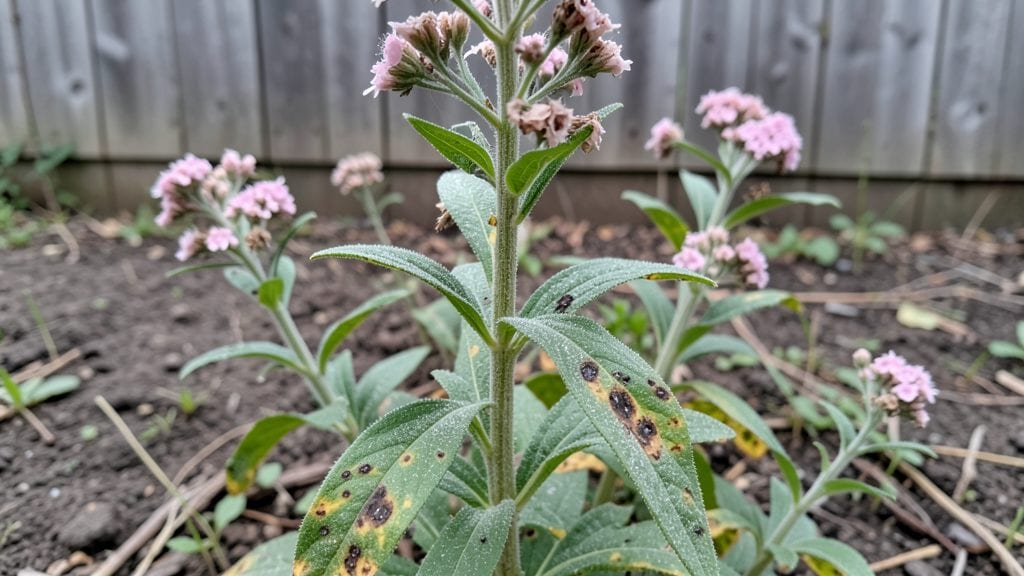
The diseases of phlox plants—powdery mildew, leaf spot, and rust—can turn your velvety blooms to dusty white or rusty splotches faster than you’d think. 🌿 I’ve battled them all, and each one can deflate a garden. in days if you don’t act.
The good news? Most of these issues have quick fixes once you know what to look for.
These fungal foes thrive in damp, shady spots where air doesn’t circulate. Powdery mildew coats leaves in chalky residue, while leaf spot creates dark, water-soaked patches that multiply with rain.
Rust shows up as orange pustules on undersides of leaves—ugly and contagious. The key to stopping them? Catching them early and giving your phlox the right care.
With the right mix of pruning, fungicides, and airflow tricks, you can revive your phlox in just a few weeks. I’ll show you how to spot each disease, treat it fast, and keep your plants blooming like they’re supposed to.
Prevention is easier than cleanup—trust me, I’ve learned that the hard way.
Whether you’re dealing with a single plant or a whole border, these solutions work for all phlox types. The goal isn’t just to save your flowers—it’s to keep your garden looking its best without losing the battle to fungus. Let’s get those plants back in fighting shape.
Root Causes Behind Phlox Ailments
Understanding why your phlox plants fall prey to diseases starts with recognizing their vulnerabilities. These vibrant perennials thrive in well-drained soil and full sun, but when conditions shift—whether due to environmental stress, poor gardening practices, or microbial invaders—they become susceptible to fungal infections.
Below, we break down the key triggers that weaken phlox and invite disease, so you can address them before problems arise.
Phlox plants love moisture, but too much of it—especially stagnant water—creates the perfect breeding ground for fungal pathogens like Botrytis blight and powdery mildew. Here’s why wetness spells trouble:
- Poor Air Circulation: Dense foliage or crowded plantings trap humidity, preventing air from flowing freely. Fungi thrive in still, damp air, where spores land and germinate on leaves and stems. - Waterlogged Soil: Phlox roots need oxygen, but soggy soil suffocates them, weakening the plant’s defenses.
This stress makes them easier targets for soil-borne fungi like Phytophthora. - Morning Dew: While dew itself isn’t harmful, if it lingers until afternoon (especially in shady spots), it extends the window for fungal spores to infect leaves.
Actionable Fix: Space plants 12–18 inches apart for airflow, water at the base (not overhead), and avoid planting phlox in low-lying areas where water pools.
Fungal diseases don’t appear out of nowhere—they hitchhike from infected plants, soil, or even garden tools. Common culprits include:
- Previous Infected Plants: If you grew phlox (or other susceptible plants like roses or asters) in the same spot last year, fungal spores may still lurk in the soil or mulch.
- Wind and Rain: Spores spread via wind or splashing water, landing on healthy phlox and colonizing weak spots (like damaged leaves or stems).
- Contaminated Tools: Pruners, gloves, or even watering cans can transfer spores from diseased to healthy plants if not sterilized between uses.
Actionable Fix: Rotate phlox to a new location every 3–4 years, sterilize tools with 70% isopropyl alcohol, and remove all infected plant debris (don’t compost it!).
Phlox struggling from nutrient deficiencies or compacted soil are prime targets for disease. Here’s how soil problems invite fungi:
- Nitrogen Deficiency: Weak, yellowing leaves (a sign of low nitrogen) lack the energy to fight off infections. Fungi like Septoria leaf spot exploit this weakness. - High Soil pH (Alkaline): Phlox prefer slightly acidic soil (pH 6.0–7.0).
Alkaline conditions (pH >7.0) weaken roots and reduce beneficial microbial activity, making plants more susceptible to rust and powdery mildew. - Compacted or Poor-Draining Soil: Roots suffocate, leading to rot (e.g., Phytophthora root rot). Waterlogged roots can’t absorb nutrients, leaving the plant defenseless.
Actionable Fix: Test your soil’s pH and amend with sulfur (to lower pH) or compost (to improve drainage). Use a balanced fertilizer (e.g., 10-10-10) in early spring to boost vigor.
Even minor injuries—like hail, insect bites, or rough pruning—create entry points for fungi. Common offenders include:
- Chewing Insects: Japanese beetles or slugs create wounds that Botrytis or Alternaria can invade.
- Mechanical Injury: Using dull shears or brushing against stems can abrade the plant’s protective cuticle, allowing spores to penetrate.
- Wind or Hail: Torn leaves provide direct access for fungal spores to colonize.
Actionable Fix: Inspect plants regularly for pests, prune carefully (use sharp, clean tools), and protect phlox from extreme weather with row covers if needed.
Phlox are hardy, but extreme temperatures—whether scorching summer heat or late-season frosts—stress the plant, lowering its disease resistance.
- Heat Stress: Prolonged heat (above 90°F) causes wilting and leaf scorch, weakening the plant’s immune response. Fungi like powdery mildew thrive in these conditions.
- Cold Stress: Early or late frosts damage tender new growth, creating wounds that rust fungi exploit.
Actionable Fix: Provide afternoon shade in hot climates and mulch (2–3 inches of straw) to regulate soil temperature. Avoid planting phlox in frost-prone microclimates unless you’re in USDA Zones 3–9.
Pests don’t just damage phlox—they open the door for fungal infections.
For example: - Aphids excrete honeydew, which promotes sooty mold (a secondary fungal growth). - Spider Mites cause stippling on leaves, making them more prone to powdery mildew. - Slugs and Snails leave slime trails and ragged holes, inviting Botrytis to set in.
Actionable Fix: Monitor for pests early, use neem oil or insecticidal soap as a preventative, and remove debris where pests hide.
Crowded phlox with overlapping leaves create a humid microclimate, while poor pruning habits (like leaving dead stems) trap moisture and spores.
- Overcrowding: Blocks airflow, keeping leaves damp longer.
- Improper Pruning: Cutting too late in the season (after Labor Day) leaves stubs that rot, inviting stem canker fungi.
Actionable Fix: Prune dead stems in early spring (before new growth) and thin out overgrown clumps to improve airflow. Space new plants 12–18 inches apart.
Quick Fixes for Phlox Plant Ailments
Revive your phlox blooms with these targeted, easy-to-follow solutions! Whether your plants are battling powdery mildew, rust, or root rot, these steps will help you diagnose and treat the issue—plus keep your garden thriving. Prevention is key, so we’ve included pro tips to stop future outbreaks before they start.
Signs: White, powdery spots on leaves (like dust) that spread fast.
How to Fix It: 🔥 Remove Infected Leaves – Snip off heavily affected foliage with clean shears and dispose of it in the trash (not compost). This stops the fungus from spreading. 🍳 DIY Fungicide Spray – Mix 1 tsp baking soda + 1 quart water + a few drops of dish soap (soapy water helps the solution stick). Spray leaves early in the morning on dry days to avoid burning them. 👨🍳 Improve Airflow – Space plants 12–18 inches apart and prune nearby foliage to let air circulate. Powdery mildew loves humidity and crowded conditions. 🥘 Prevent Recurrence – Apply neem oil spray (1 tbsp neem oil + 1 quart water) every 7–10 days during humid weather. For severe cases, use fungicides with myclobutanil or sulfur (follow label instructions).
💡 Pro Tip: Water at the base of the plant (not overhead) to keep leaves dry. Early morning watering gives foliage time to dry before evening humidity sets in.
Signs: Orange, rust-colored spots on leaves (like tiny pustules) that turn brown and crumbly.
How to Fix It: 🔥 Prune and Destroy – Cut off all infected leaves and burn or trash them (don’t compost!). Rust spores can survive in old plant debris. 🍳 Copper Fungicide – Spray with a copper-based fungicide (like copper sulfate) every 7–10 days until new growth appears. Organic options include baking soda spray (same recipe as above) or chili pepper spray (blend 1 tbsp cayenne pepper + 1 quart water + a drop of soap). 👨🍳 Boost Plant Health – Rust thrives on weak plants. Fertilize with a balanced 10-10-10 (low nitrogen) in early spring to strengthen roots. 🥘 Rotate Plantings – Avoid planting phlox in the same spot year after year. Rust spores linger in soil, so move phlox to a new location every 3–4 years.
💡 Pro Tip: Mulch with compost to improve soil health and reduce stress on plants. Healthy phlox is less susceptible to rust!
Signs: Yellowing leaves, mushy stems, and a foul smell at the base (often from overwatering).
How to Fix It: 🔥 Stop Watering Immediately – Let the soil dry out completely before watering again. Stick your finger 1–2 inches deep—if it’s soggy, wait. 🍳 Repot in Fresh Soil – Gently remove the plant, trim rotted roots (use sterile scissors), and repot in well-draining soil (mix garden soil with perlite or sand). 👨🍳 Improve Drainage – Add gravel or broken pottery shards at the bottom of the pot for better drainage. If in the ground, consider raising beds or adding compost to sandy soil. 🥘 Disinfect Tools and Pots – Clean pruners with rubbing alcohol and sanitize pots with a 10% bleach solution (1 part bleach to 9 parts water) to kill lingering pathogens.
💡 Pro Tip: Water deeply but less often—phlox prefers 1 inch of water per week. Use a moisture meter to avoid guesswork!
Signs: Gray, fuzzy mold on flowers and stems, often after wet weather.
How to Fix It: 🔥 Remove All Infected Parts – Snip off dead flowers, moldy stems, and drooping leaves. Dispose of them in a sealed bag. 🍳 Hydrogen Peroxide Spray – Mix 1 tbsp 3% hydrogen peroxide per quart of water and spray every 5–7 days to kill spores. 👨🍳 Space Plants Wider – Thin out crowded phlox to reduce humidity around flowers. 🥘 Avoid Evening Watering – Water before 10 AM so flowers dry quickly. Deadhead spent blooms regularly to improve airflow.
💡 Pro Tip: Plant phlox in full sun (6+ hours/day)—shady spots increase humidity and botrytis risk.
To keep phlox healthy long-term: ✅ Rotate crops – Don’t plant phlox in the same spot yearly. ✅ Test soil pH – Aim for 6.0–7.0 (use a soil kit or send a sample to a lab). ✅ Choose resistant varieties – Look for ‘David’ or ‘Oklahoma’ phlox, bred for disease resistance. ✅ Monitor regularly – Check undersides of leaves weekly for early signs of trouble. ✅ Strengthen plants – Fertilize in spring with a low-nitrogen formula (like 5-10-10) and mulch with compost.
Final Thought: 🌟 Act fast! The sooner you treat a disease, the easier it is to save your phlox. With these fixes, your garden will stay vibrant and disease-free for seasons to come!
Frequently asked questions
Why do my phlox leaves develop white powdery spots even when I water them properly?
That’s likely powdery mildew, a fungal disease that thrives in humid conditions—even with proper watering. The issue often stems from poor airflow or crowded plants. Try spacing your phlox 12–18 inches apart and watering at the base (not overhead) to keep leaves dry. A baking soda spray (1 tsp baking soda + 1 quart water + dish soap) applied weekly can also help.
Can I still use phlox cuttings from diseased plants for propagation?
No, never use cuttings from diseased plants—the fungi can spread to your new growth. Instead, take healthy cuttings from unaffected stems and treat them with a fungicide spray (like neem oil) before planting. Always sterilize your tools with 70% isopropyl alcohol to prevent contamination.
How do I tell if my phlox has rust or just natural leaf discoloration?
Rust appears as orange pustules (like tiny blisters) on leaf undersides, while natural discoloration is usually uniform and doesn’t spread. Check both sides of leaves—rust spores are contagious and will worsen with moisture. If confirmed, remove infected leaves immediately and apply a copper fungicide every 7–10 days.
Will chemical fungicides harm beneficial insects like bees or ladybugs?
Most chemical fungicides (like sulfur or myclobutanil) are low-risk to bees when applied correctly, but they can harm beneficial insects if overused. Opt for organic sprays (neem oil, baking soda) during blooming season. Always apply fungicides early in the morning so they dry before pollinators are active.
Can I save a phlox plant with stem rot by replanting it in fresh soil?
It depends on how far the rot has spread. Trim all mushy, blackened stems down to healthy tissue, then replant in sterilized, well-draining soil. Avoid overwatering for 2–3 weeks and monitor for new growth. If the roots are severely rotted, the plant may not recover—start fresh with a new cutting.