
Pests
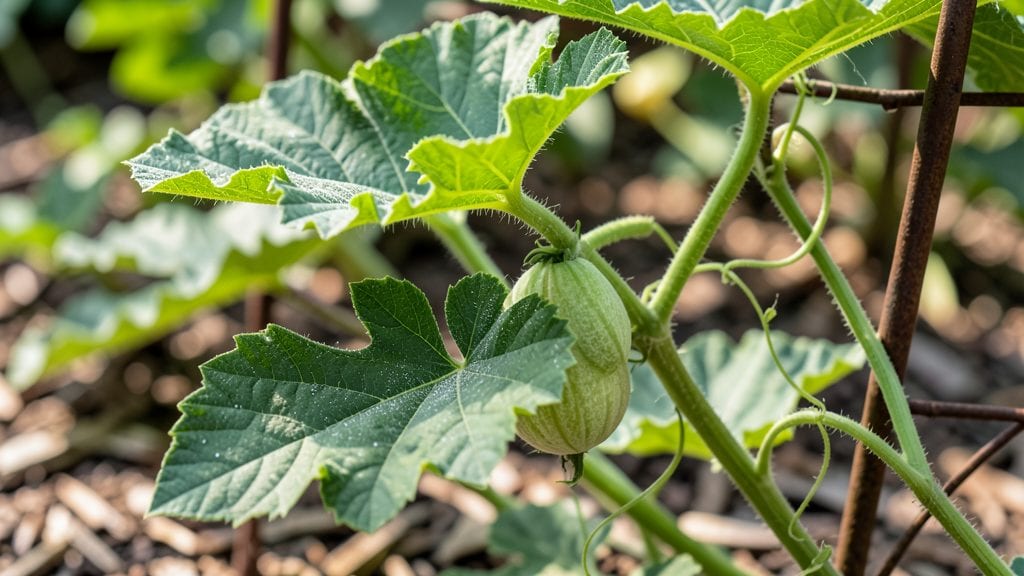
Deer eat cantaloupe plants, especially the tender leaves, vines, and young fruit, which can damage growth and reduce your harvest. They're most active during late spring and summer when plants are at their most vulnerable. Taking early action with deterrents is crucial to safeguarding your garden.
Deer have a particular fondness for cantaloupe because its tender leaves and vines offer easy, nutrient-rich meals. 🌱 The high water content in cantaloupe makes it especially appealing during dry spells, while the tender growth in spring and summer provides the perfect texture for deer grazing.
Unlike some melons, cantaloupe lacks strong natural defenses, making it a prime target. If you've noticed chewed foliage or missing young fruit, you're likely dealing with deer activity—especially during dawn and dusk when they're most active.
This behavior isn't just about hunger—deer also browse plants to supplement their diet with essential nutrients. While they might not completely destroy a mature cantaloupe patch, consistent feeding can weaken plants, leaving them vulnerable to disease or pests.
The key to protection lies in combining physical barriers like tall fencing with natural repellents, such as garlic-based sprays or planting deer-resistant companions like marigolds nearby.
💡 In This Article
- Why Deer Target Cantaloupe and Other Melon Plants
- Effective Deer-Proofing Strategies for Cantaloupe Gardens
Why deer target cantaloupe and other melon plants
Deer are drawn to cantaloupe primarily because of its high water content (90%+) and tender, nitrogen-rich leaves.
These plants offer a hydrating, easy-to-digest meal that aligns perfectly with a deer's natural foraging habits. 🌿 Unlike woody plants, cantaloupe vines grow rapidly in spring and summer, producing fresh growth that deer find irresistible—similar to how they target young corn shoots.
The soft texture of cantaloupe leaves requires minimal chewing effort, making them a high-efficiency food source for browsing animals.
The seasonal pattern of deer feeding on cantaloupe follows their digestive needs. During late spring and summer (May-August), deer rely more on vegetation due to increased protein requirements for antler growth in bucks or fawn rearing in does.
Cantaloupe's tender leaves provide 15-20% protein by dry weight, a significant boost compared to mature grasses (5-10% protein). Additionally, the plant's high moisture content helps deer maintain hydration during warmer months when water sources may be scarce.
Here's what makes cantaloupe particularly vulnerable compared to other melons: cantaloupe lacks the bitter compounds found in muskmelons or bitter melons, which deer naturally avoid.
For example, muskmelons contain cucurbitacins—bitter chemicals that deter browsing—while cantaloupe has minimal defense mechanisms. 🦌 This chemical difference explains why deer will often leave muskmelon plants alone but ravage cantaloupe beds.
The contrast is striking when you compare their growth patterns: cantaloupe vines sprawl low to the ground (ideal for deer access), while muskmelon vines grow more upright and densely.
Deer also exhibit selective feeding behavior based on plant availability. In gardens where multiple melon varieties grow, you'll typically see deer target cantaloupe first, then move to watermelon if cantaloupe becomes scarce. This preference isn't random—it's driven by the nutritional payoff per bite.
A deer can consume 1-2 pounds of cantaloupe foliage per minute during peak feeding periods, making it an efficient energy source compared to browsing through tougher vegetation.
The timing of deer activity creates another layer of vulnerability. Cantaloupe plants reach their most tender growth phase 4-6 weeks after planting, coinciding with deer's dawn and dusk feeding patterns.
During these windows, deer can strip a plant of 70-80% of its leaves in just 30-60 minutes, leaving it unable to photosynthesize effectively. This rapid defoliation explains why gardeners often notice damage overnight—deer can be surprisingly efficient foragers when motivated.
What most gardeners don't realize is how deer digestion influences their plant choices. Deer have a four-chambered stomach that requires frequent small meals of digestible vegetation.
Cantaloupe's high water content moves quickly through their system, allowing them to consume more volume without feeling full. 🌱 This digestive efficiency makes cantaloupe an ideal food source compared to drier, fibrous plants that require more chewing and digestion time.