
Companion Plants
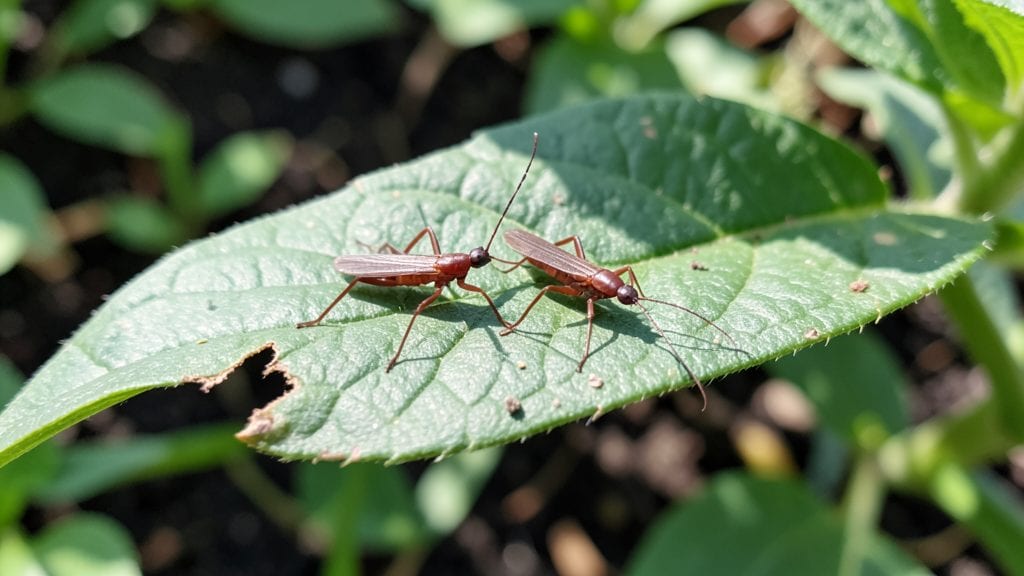
Earwigs on your plants mean those tiny, armored pests are feasting on leaves and flowers—especially at night. 🌿 I’ve spent years wrestling with these critters, and I’ve learned that the best solutions don’t involve harsh chemicals.
The key is understanding what attracts them in the first place: damp, sheltered spots where they hide during the day.
Most people reach for sprays, but that’s like throwing a fireball at a cockroach—it works temporarily but wrecks the ecosystem. Instead, focus on dry conditions, natural predators, and physical barriers.
Earwigs love hiding under mulch or boards, so removing those hiding spots cuts their numbers fast. Beneficial nematodes and ladybugs also keep populations in check without harming your plants.
By the end of this, you’ll have a garden where earwigs are a rare sight—not a daily battle. The trick is combining simple fixes like reducing moisture and smart plant choices that earwigs avoid. Think mint, thyme, or marigolds—they’re like the bouncers of the plant world, keeping pests out.
Works for veggie gardens, flower beds, and even houseplants. The best part? These methods protect your soil, your plants, and the bugs that actually help your garden thrive. Let’s get those earwigs out for good.
What Draws Them In
Earwigs may seem like tiny terrors, but they’re actually drawn to your garden for very specific reasons—most of which are tied to their survival instincts. Understanding these triggers is the first step to outsmarting them and keeping your plants earwig-free.
Let’s break down the science behind their behavior and why your garden might be their new favorite hangout.
Earwigs thrive in damp, humid environments because their exoskeletons are prone to drying out. If your garden retains moisture—whether from:
- Overwatered soil (especially around mulch or dense foliage)
- Morning dew lingering on leaves
- Poor drainage creating soggy pockets
…then you’ve essentially rolled out the welcome mat. These insects use moisture as a shield against predators and dehydration, often hiding under leaves or in curled plant debris during the day and emerging at night to feed.
Pro Tip: 💡 Check soil moisture levels with your finger—if the top 1–2 inches stay damp for more than a few hours, it’s a red flag.
Earwigs are scavengers at heart, and decaying plant material is like an all-you-can-eat buffet for them. They’re attracted to:
- Dead leaves (especially those piled near plants)
- Rotting fruits or vegetables (think overripe tomatoes or fallen berries)
- Compost heaps (if not properly managed)
This organic debris provides both food and shelter, making it a prime real estate spot. If your garden has leaf litter or compost near vulnerable plants, earwigs will move in faster than you can say “pincers.”
Pro Tip: ✨ Rake up fallen leaves regularly and turn compost piles frequently to reduce attractants.
Earwigs are nocturnal foragers, meaning they’re most active under the cover of darkness. During the day, they hide in:
- Cracked bark or wood
- Under pots or garden stones
- Curled leaves or dense foliage
At night, they venture out to snack on tender plant tissues, flowers, and even young seedlings. If your garden stays dark and sheltered (like under dense shrubs or mulch), they’ll feel safe enough to set up camp.
Pro Tip: 🌡️ Use a flashlight at dusk to spot their hiding spots—earwigs scatter when exposed to light!
Earwigs have a soft spot for delicate, young growth because it’s easier to chew through. They particularly target:
- Newly sprouted seedlings
- Soft flower petals (like roses or dahlias)
- Thin stems of herbs or vegetables
Their pincers may not deliver a fatal bite, but repeated nibbling can stunt growth or leave unsightly holes in leaves. If your garden is full of vulnerable new shoots, earwigs will see it as a smorgasbord.
Pro Tip: 🎯 Protect seedlings with row covers or diatomaceous earth until they’re sturdy enough to fend off pests.
Earwigs need water to survive, and if your garden has:
- Shallow puddles (from poor drainage or irrigation)
- Dripping hoses or sprinklers creating wet spots
- Birdbaths or saucers near plants
…they’ll use these as drinking stations and breeding grounds. Standing water also attracts other pests (like slugs), which can indirectly invite earwigs to the party.
Pro Tip: 🔥 Fix drainage issues and empty water sources daily to remove their watering holes.
Natural Ways to Keep Earwigs Off Your Plants
Earwigs may be small, but their presence can cause big problems for your garden—chewed leaves, damaged flowers, and even holes in fruit. The good news? You don’t need harsh chemicals to tackle them.
Below are targeted, eco-friendly solutions based on the root causes of their infestation, from habitat disruption to food attraction. Each method is designed to be simple, effective, and safe for your plants, pets, and the environment.
Earwigs thrive in damp, sheltered spots like thick mulch, dense foliage, or under rocks. If your garden has these conditions, they’ll move in fast.
How to Fix It:
- 🔥 Reduce Mulch Depth – Keep mulch 1–2 inches thick (not piled high) and use coarse materials like straw or wood chips, which dry out faster.
- 🍳 Improve Drainage – Earwigs love soggy soil. Amend heavy clay or compacted soil with sand or compost to help water drain.
- 👨🍳 Rake Up Debris – Clear away fallen leaves, dead plants, and organic matter from garden beds and under pots. Store firewood and bricks away from plants.
- ⏰ Prune Strategically – Thin out dense shrubs and tall grasses where earwigs hide. Aim for good airflow around plants.
💡 Pro Tip: If you have potted plants, elevate them off the ground with bricks or pot feet to prevent earwigs from crawling up from below.
Earwigs are omnivores—they’ll munch on decaying matter, pollen, and living plant tissue. If they’re feasting on your veggies or flowers, it’s a sign they’re hungry.
How to Fix It:
- 🥘 Harvest Promptly – Pick ripe fruit and vegetables as soon as they’re ready to avoid overripe, rotting produce that attracts earwigs.
- 🔪 Trim Damaged Leaves – Remove yellowing, wilted, or chewed foliage immediately. Compost it far from your garden (or freeze it first to kill eggs).
- 🌡️ Use Row Covers – For delicate plants (like lettuce or strawberries), drape lightweight fabric row covers over them to block earwig access.
- 🎯 Limit Nighttime Pollinators – Earwigs eat pollen. If you’re growing night-blooming flowers (like evening primrose), consider hand-pollinating them with a paintbrush instead.
💡 Pro Tip: Neem oil (a natural fungicide) can reduce pollen production in some plants, making them less appealing to earwigs. Spray lightly at dusk.
Earwigs squeeze into tiny cracks—even under door thresholds, in window screens, or through gaps in greenhouses.
How to Fix It:
- 🔥 Seal Gaps – Check for cracks in foundation walls, gaps around pipes, or holes in screens. Use caulk or fine mesh to close them up.
- 🍳 Install Door Sweeps – Earwigs can slip under doors. A silicone or brush sweep prevents their entry into your home or greenhouse.
- 👨🍳 Use Copper Tape – Place copper tape (a natural insect repellent) around greenhouse edges, pot rims, or garden beds. Earwigs dislike the metal.
- ⏰ Elevate Containers – If earwigs are crawling into hanging baskets or pots, lift them onto saucers filled with sand or diatomaceous earth (a natural barrier).
💡 Pro Tip: Beer traps (bury a shallow dish filled with beer near plants) can lure and drown earwigs—just check them daily!
Many beneficial insects hunt earwigs—encourage them to move into your garden!
How to Fix It:
- 🥘 Attract Spiders – Spiders love earwigs. Plant dill, fennel, or yarrow to attract them.
- 🔪 Bring in Ground Beetles – These voracious predators eat earwigs. Leave some bare soil or log piles for them to hide in.
- 🌡️ Use Ducks or Chickens – If earwigs are a major problem, a few free-range ducks or chickens will happily snack on them (and improve soil health!).
- 🎯 Plant Companion Plants – Garlic, chives, mint, and tansy repel earwigs. Interplant them near vegetables and flowers at risk.
💡 Pro Tip: Ladybugs also eat earwig eggs—release them in early evening when they’re most active.
The best defense? Make your garden unwelcoming to earwigs from the start.
How to Fix It (Long-Term):
- 🔥 Water in the Morning – Earwigs love moisture. Avoid nighttime watering, which keeps soil damp longer.
- 🍳 Choose Resistant Plants – Some plants earwigs dislike include rosemary, lavender, thyme, and marigolds.
- 👨🍳 Keep Grass Short – Tall grass provides hiding spots. Mow regularly to reduce earwig habitats.
- ⏰ Rotate Crops – If earwigs target specific plants (like strawberries), rotate planting locations yearly to disrupt their life cycle.
💡 Pro Tip: Diatomaceous earth (food-grade) is a non-toxic powder that kills earwigs by dehydrating them. Sprinkle it lightly around plant bases (reapply after rain).
Final Thought: Earwigs are easy to outsmart with the right mix of habitat changes, natural repellents, and preventive care. Try one or two methods first, monitor your garden, and adjust as needed. With patience, your plants will stay earwig-free—and thriving! 🌱✨
Frequently asked questions
Are earwigs harmful to my plants?
While they won’t kill your plants, earwigs can cause noticeable damage. They chew on leaves, flowers, and young shoots, leaving jagged holes and stunted growth. Their favorite targets include tender seedlings, roses, and strawberries. The good news? They’re not as destructive as other pests like slugs or aphids.
Why do earwigs suddenly appear in my garden?
Earwigs thrive when conditions are damp and sheltered. If you’ve recently added mulch, left standing water, or had heavy dew, that’s your answer. They’re also drawn to decaying plant matter and compost piles. Once they find a cozy spot, they multiply quickly—especially in warm, humid weather.
Will earwigs bite humans or pets?
Earwigs are shy and rarely bite unless provoked. Their pincers can deliver a mild pinch (like a paper cut), but it’s harmless. They’re more interested in your plants than your pets or skin. If you see them indoors, they’re likely just looking for shelter—seal entry points to keep them outside.
How do I tell earwigs apart from pill bugs?
Earwigs have long, flat bodies and prominent pincers (like tiny forceps), while pill bugs curl into a ball when threatened. Earwigs are also more active at night and love moisture, whereas pill bugs prefer dry, shady spots. Both are harmless to plants, but earwigs are the troublemakers.
Can I use coffee grounds to repel earwigs?
Yes! Coffee grounds are a natural deterrent because earwigs dislike the strong scent. Sprinkle used grounds around plant bases or mix them into soil. Just reapply after rain, as the smell washes away. Bonus: It also improves soil fertility and deters other pests like slugs.