
Landscaping
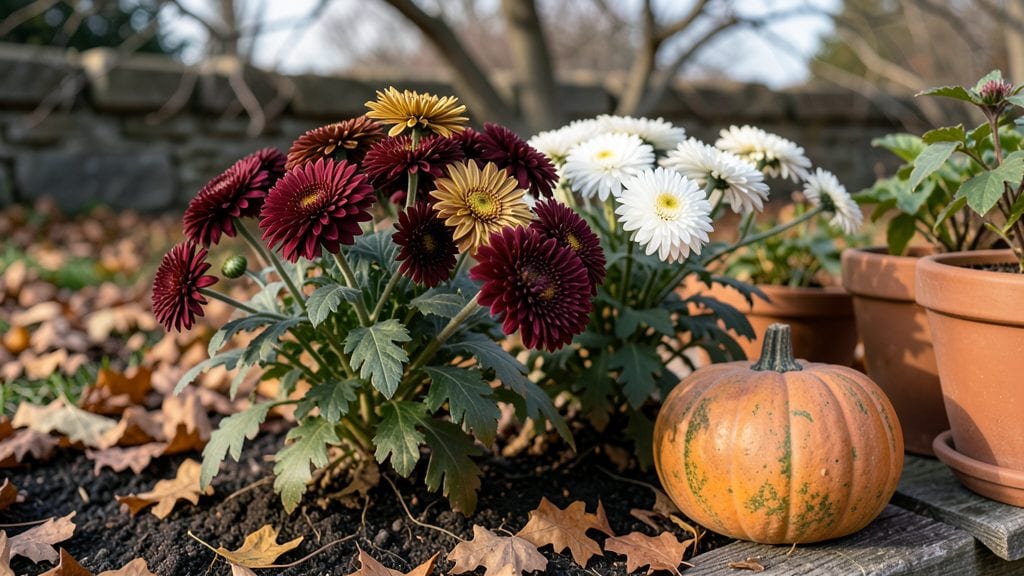
Fall landscaping plants can turn your yard into a warm, vibrant retreat that thrives through winter. 🌿 I learned the hard way that planting the wrong species means muddy leaves and sparse blooms by December—until I discovered these drought-resistant stars that keep color until frost.
Their secret? Deep roots that sip water efficiently while their foliage shifts from fiery reds to deep purples as temperatures drop.
The best part? These plants need minimal fuss once established. Perennials like Russian sage and ornamental grasses like little bluestem handle dry spells like pros, while shrubs like oakleaf hydrangea deliver blooms that last until snow flies.
Plant them now, and you’ll skip the spring cleanup—just rake up last year’s spent blooms in spring and watch them bounce back.
Imagine your front yard glowing in sunset hues long after summer’s over. These plants don’t just survive fall—they steal the show, with textures that catch the light and fragrances that linger in the crisp air.
The key is pairing drought-tolerant workhorses with a few showstoppers, like sedum for late-season color or coneflowers for pollinators.
Perfect for low-maintenance landscapes, these plants adapt to most climates and soil types. Whether you’re refreshing a border or filling a new bed, timing is everything—plant perennials in early fall for root establishment before winter’s chill. Let’s make your yard the envy of the neighborhood all season long.
📚 In This Guide
- What you need
- Instructions
- Tips and common mistakes
- Wrapping up and next steps
What you need
- ● Plants: 1–3 drought-resistant perennials (e.g., Sedum, Echinacea, or Salvia) – 1 gallon pots each
- ● 2–4 shrubs (e.g., Dwarf Lilac, Butterfly Bush, or Oakleaf Hydrangea) – 3–5 gallon pots
- ● 1–2 seasonal fall bloomers (e.g., Mums, Astors, or Japanese Anemone) – 1 quart pots
- ○ Optional: 1–2 ornamental grasses (e.g., Miscanthus or Feather Reed Grass) – 1 gallon pots
- ● Soil & Amendments: 50 lbs. well-draining potting mix (or native soil amended with compost)
- ● 10 lbs. slow-release organic fertilizer (10-10-10 or similar)
- ○ Optional: 1 bag mulch (3–4 inches, shredded bark or pine straw)
- ● Tools: 1 garden trowel (for small plants)
- ● 1 shovel (for shrubs)
- ● 1 pruning shears (for trimming)
- ● 1 watering can or hose with nozzle
- ○ Optional: 1 wheelbarrow (for hauling soil/amendments)
- ● Prerequisites: Sunlight assessment: Full sun (6+ hrs/day) or partial shade (3–6 hrs/day)
- ● Water access: Drip irrigation or soaker hose recommended
- ○ Optional: Soil test kit (to check pH and nutrient levels)
Step-by-Step guide to planting fall landscaping favorites
Here’s how to add bold, drought-tolerant color that thrives through fall and beyond.
🌱 Step 1: Choose the Right Plants for Year-Round Impact
Pick 4 drought-resistant varieties that bloom in fall and hold color through winter. My go-to picks are sedum (for late-season blooms), lavender (fragrant and hardy), salvia (long-lasting spikes), and Russian sage (drought-proof purple blooms). Each plant should get at least 6 inches of space between neighbors to prevent competition.
Check your USDA hardiness zone—most of these thrive in zones 5-9. If you’re in a cooler zone, opt for sedum ‘Autumn Joy’ or Russian sage, which handle frost better. For warmer climates, salvia ‘May Night’ or lavender ‘Provence’ stay vibrant all season.
🪴 Step 2: Prepare the Soil for Drought-Resistant Growth
Loosen the soil to a depth of 12 inches with a garden fork or tiller. Work in 2 inches of compost (from your list) to improve drainage and retain moisture. These plants hate soggy roots, so avoid heavy clay—amend with sand or perlite if needed. A 5-10-5 fertilizer (like the one listed) mixed into the soil gives them a slow-release boost.
Test the soil’s moisture level before planting. Stick your finger 2 inches deep—if it feels dry, water lightly to settle the soil. If it’s too wet, wait a day or two. The goal is moist but not soggy—these plants thrive on neglect once established.
☀️ Step 3: Plant in Full Sun for Best Performance
Dig holes twice as wide as the root ball but only as deep as the container’s base. Gently remove each plant from its pot and tease the roots outward if they’re circling. Place the plant in the hole so the top of the root ball sits level with the soil surface—burying too deep suffocates roots.
Fill the hole with soil, pressing lightly to remove air pockets. Water deeply (about 1 gallon per plant) to help roots settle. Space plants 18-24 inches apart—closer spacing leads to overcrowding and weaker growth. Mulch with 2 inches of shredded bark (from your list) to lock in moisture and block weeds.
💧 Step 4: Water Deeply but Infrequently
Water once a week for the first month, giving each plant 1-2 gallons until water runs out the drainage holes. After that, cut back to every 10-14 days, unless your area gets no rain for 2 weeks. These plants store water in their leaves and stems—overwatering kills them faster than drought.
Check moisture by digging 2 inches deep with a trowel. If the soil feels dry, water again. If it’s still damp, wait. You’ll know you’re doing it right when the mulch stays slightly damp at the surface but never soggy. Avoid wetting the foliage to prevent fungal diseases.
✂️ Step 5: Prune and Maintain for Long-Term Beauty
Deadhead spent blooms in early fall to encourage a second flush of flowers. Cut back one-third of the oldest stems in late winter to promote fresh growth. For sedum and Russian sage, trim back 6-8 inches in early spring—this keeps them bushy and prevents flopping.
Fertilize once in early spring with the 5-10-5 blend (from your list) to support new growth. Avoid high-nitrogen fertilizers—they produce lush foliage but fewer flowers. If leaves yellow, it’s usually overwatering or poor drainage—adjust your watering schedule or amend the soil.
Tips & tricks for perfect fall landscaping plantings
These simple strategies will help you create a stunning, low-maintenance garden that thrives all season long.
Plant Selection Wisdom: When choosing your fall plants, consider their mature size—not just their current size in the pot. Russian sage and salvia will spread wider than sedum, so give them that extra 6 inches of space mentioned in Step 1. I always group plants with similar water needs together—lavender and sedum pair beautifully and need less water than the others.
Soil Prep Secret: The 12-inch deep loosening in Step 2 is crucial for root establishment, but don't overdo it with compost. Too much organic matter can make soil too rich, encouraging leafy growth at the expense of flowers. Stick to the recommended 2 inches of compost and mix it thoroughly with your existing soil. For clay-heavy soils, I add a handful of perlite to each hole before planting to improve drainage.
Planting Technique: When placing your plants in their holes, make sure the root ball sits just below soil level—not flush or buried. The top of the root ball should be about ½ inch below the surrounding soil. This prevents the roots from drying out while allowing the plant to establish properly. After planting, I always give each plant a good drink of water (that 1 gallon per plant in Step 3) to help settle the roots.
Watering Strategy: The once-a-week watering schedule in Step 4 works perfectly, but timing matters. Water in the early morning so foliage has time to dry before evening. This prevents fungal diseases that can plague fall gardens. I use a soaker hose for deep watering—it delivers water directly to the roots without wetting the leaves, which is especially important for these drought-resistant plants.
Pro Tips for Fall Landscaping Plants
- These simple strategies will help you create a stunning, low-maintenance garden that thrives all season long.
- Plant Selection Wisdom: When choosing your fall plants, consider their mature size—not just their current size in the pot.
- Soil Prep Secret: The 12-inch deep loosening in Step 2 is crucial for root establishment, but don't overdo it with compost.
Frequently asked questions
Got questions about fall landscaping plants?
You’re not alone! Here are some of the most common concerns—and their easy solutions—to help you create a stunning, low-maintenance landscape that thrives year-round.
What are the best drought-resistant plants for fall color?
Look for native perennials like Sedum (stonecrop), Echinacea (coneflower), or Salvia (sage). These plants store water efficiently and bloom in vibrant hues like purple, pink, and gold. Pair them with ornamental grasses like Miscanthus for texture and movement.
When is the ideal time to plant fall landscaping plants?
For most regions, late summer to early fall (August through October) is perfect. This gives roots time to establish before winter, while cooler temps reduce stress. Avoid planting too close to frost dates—check your USDA hardiness zone for local guidance!
How often should I water newly planted fall landscaping plants?
Water deeply once a week (or more in extreme heat/drought) for the first 2–3 weeks after planting. After that, most drought-resistant plants need water only every 10–14 days. Mulch around the base to retain moisture and suppress weeds.
Can I still add fall plants if I missed the planting window?
Many perennials and shrubs can be planted in early spring or even late fall (before the ground freezes). For instant color, opt for annuals like Pansies or Calendula, which thrive in cooler weather and bloom until frost.
How do I prevent pests from damaging my fall landscaping plants?
Focus on prevention: Use organic mulch, remove debris, and choose pest-resistant varieties. For tough infestations, try neem oil or insecticidal soap. Beneficial insects like ladybugs and lacewings can also help keep pests in check naturally!
Wrapping up and next steps
Transforming your outdoor space into a vibrant fall oasis is easier—and more rewarding—than you think! 🌿 With the right fall landscaping plants, you’ll enjoy year-round color, drought-resistant beauty, and minimal upkeep.
Whether you’re drawn to fiery maples, fragrant asters, or hardy succulents, these plants bring effortless charm to any yard.
Ready to take the next step? Start small—pick 1-2 plants that inspire you, sketch a simple layout, and dive in! Your future self (and your neighbors) will thank you for the cozy, low-maintenance retreat you’re creating. Happy planting! 🌸