Plants
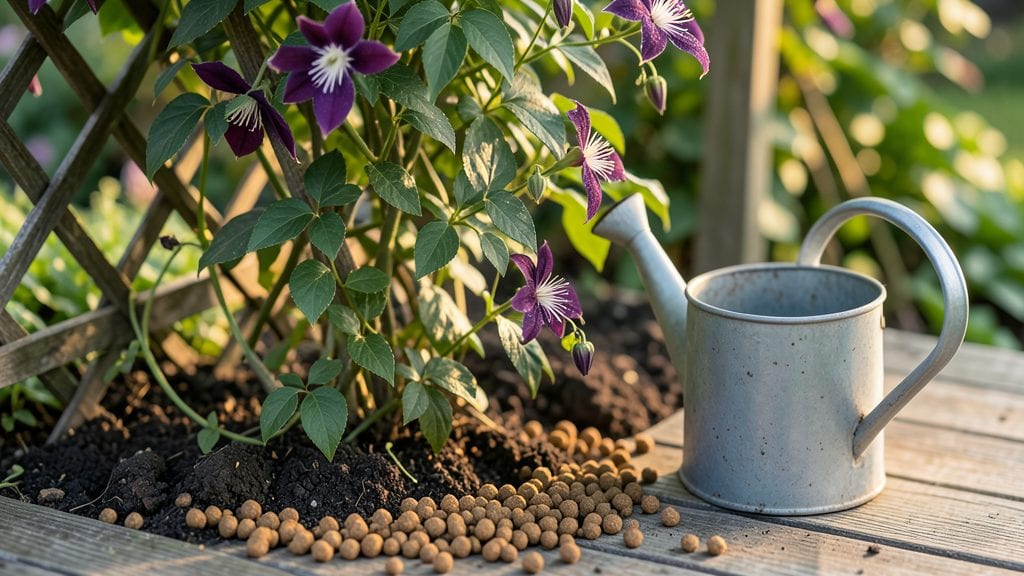
Feeding clematis plants 🌸 the right way is the difference between a single burst of blooms and a vine that flowers from spring until frost.
Struggling to keep your clematis vines blooming season after season? The secret isn’t just water or sunlight—it’s feeding them the right nutrients at the right times. I’ve watched my own clematis go from a sad, sparse vine to a year-round floral showstopper by adjusting when and how I fed it.
Most gardeners overlook the seasonal shift in feeding needs—what works in spring can burn roots in summer or starve blooms in fall. Below, I break down the exact fertilizers to use, when to apply them, and how to spot when you’re overdoing (or underdoing) it.
You’ll learn the month-by-month schedule, organic vs. synthetic options, and the one critical micronutrient most clematis growers miss. No guesswork—just science-backed results for healthier, more vibrant vines.
Seasonal feeding schedule for clematis: what to feed and when
Your clematis vines deserve more than just occasional water—they crave a precision feeding schedule that matches their growth cycle. Unlike many plants, clematis respond dramatically to timed nutrient pulses, especially when transitioning from root development to bloom production.
The key is feeding lightly in spring, strategically in summer, and completely avoiding winter fertilizers that can harm dormant roots.
Most gardeners make one critical mistake: they feed clematis too much too late, which leads to leafy growth instead of showstopping flowers.
By following this month-by-month guide, you'll learn exactly when to feed, what to use, and how much to apply—whether you prefer organic options like fish emulsion or synthetic blends with precise NPK ratios. Let’s get started with the perfect feeding rhythm for your clematis.
🌱
Let’s break down each season to ensure you’re feeding your clematis exactly when it needs it. In early spring, focus on root stimulation with a balanced organic fertilizer like compost or a 5-5-5 blend.
This is the time to wake up those dormant roots and prepare for the growing season ahead. Apply it lightly—think of it as a gentle nudge rather than a heavy meal.
By late spring, your clematis should be showing new growth, and that’s your cue to switch to a high-phosphorus fertilizer (like 5-10-10). Phosphorus is the bloom booster clematis crave, and applying it every 4 weeks will encourage those showy flowers you’re dreaming of.
Timing is everything here: start when you see buds forming and continue until the first flush of blooms.
Summer is a tricky time for feeding clematis because the heat can stress the plant. Instead of heavy feeding, opt for a low-nitrogen, high-potassium fertilizer (like 3-6-6) to help your clematis recover from heat stress and maintain bloom quality.
Reduce the frequency to every 6 weeks and always apply in the early morning to avoid leaf burn. If you notice yellowing leaves, it could be a sign of overwatering or nutrient imbalance, not necessarily a need for more fertilizer.
The autumn months are all about preparing for dormancy, not feeding. Stop fertilizing 6 weeks before your first frost to allow your clematis to harden off naturally. This is the time to focus on pruning dead foliage and adding mulch to protect the roots.
Any fertilizer applied now will encourage late growth that won’t survive winter, leaving your plant vulnerable to free
Organic vs. synthetic fertilizers for clematis: pros, cons, and best uses
Choosing the right fertilizer for your clematis can feel overwhelming, especially when balancing organic and synthetic options. Each type offers unique benefits—whether you prioritize sustainability, fast blooms, or soil health.
Let’s break down the best choices for your clematis vines, including how to spot nutrient deficiencies and align your feeding strategy with your gardening goals.
Clematis thrive on a balanced diet, but they’re particularly sensitive to phosphorus and potassium for root development and flowering. Organic fertilizers like fish emulsion and bone meal release nutrients slowly, while synthetic options like NPK blends deliver quick results.
Your choice depends on whether you’re growing for immediate blooms or long-term soil vitality.
Here’s a quick comparison to help you decide:
Organic Fertilizers
- Fish Emulsion: Rich in nitrogen for leaf growth; ideal for early spring.
- Bone Meal: High in phosphorus for blooms; best applied in late spring.
- Compost Tea: Boosts microbes and trace minerals; great for soil health.
Pros: Improves soil structure, sustainable, fewer burn risks.
Cons: Slower results, requires frequent applications.
Synthetic Fertilizers
- 5-10-10 NPK: Balanced for growth and blooms; quick absorption.
- Slow-Release Granules: Convenient for season-long feeding.
- Liquid Bloom Boosters: High in phosphorus for instant flower spikes.
Pros: Fast results, precise nutrient control, easy to measure.
Cons: Can burn roots, harms soil microbes, less eco-friendly.
If your clematis leaves start turning yellow between the veins, it’s often a sign of iron deficiency, which responds well to chelated iron or compost tea.
For sparse blooms, a lack of phosphorus may be the culprit—try a bone meal application or a high-phosphorus synthetic fertilizer like 10-20-10.
For eco-conscious gardeners, organic options like fish emulsion and compost tea build soil fertility over time, while synthetic fertilizers are better for quick fixes or competitive displays. I recommend starting with a 5-10-10 NPK in early spring, then switching to organic amendments like bone meal as blooms approach.
Remember, less is more with clematis. Over-fertilizing—especially with nitrogen-heavy products—can lead to leafy growth at the expense of flowers. Always water thoroughly after feeding to prevent root burn and monitor your plant’s response to adjust your approach.