
Companion Plants
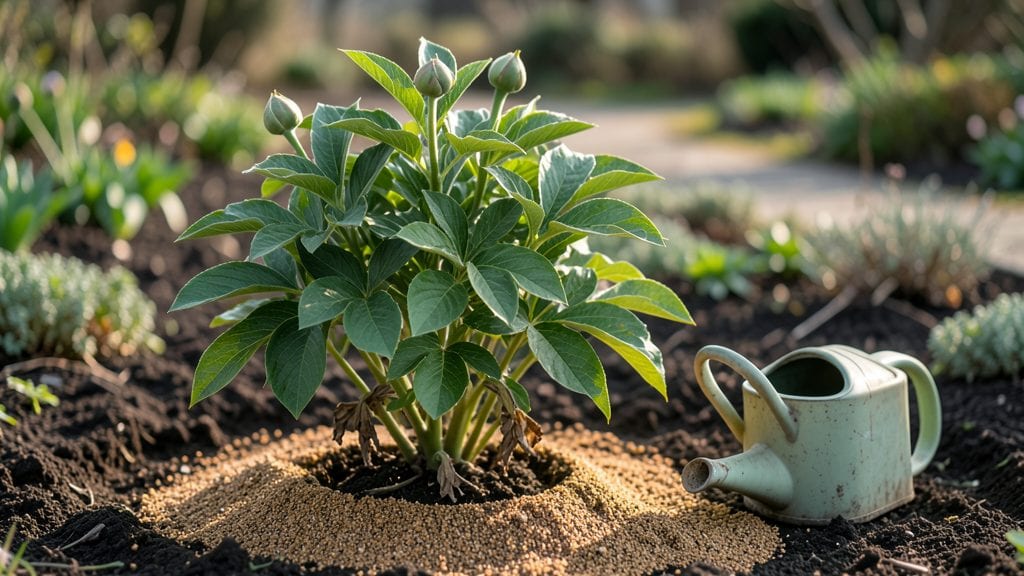
Feeding peony plants the right way turns those 🌸 dreamy blooms into a year-after-year showstopper.
Here’s the catch: too much fertilizer stunts their growth, while too little leaves you with half-sized flowers. I’ve seen peonies go from waist-high giants to sad, leggy shadows just by tweaking the timing and type of food they get.
The secret isn’t just what you feed them—it’s when and how.
Peonies thrive in USDA Zone 6a when given a balanced diet of nutrients, but they hate being overfed. The key is a spring boost for roots, a pre-bloom feed for flowers, and a hands-off approach after summer. Skip the fall feeding—your plants will thank you next spring.
In this guide, I’ll break down the exact fertilizers to use, the best application methods, and how to spot when you’re doing it wrong. By the end, your peonies will be so lush, your neighbors will ask for cuttings.
Optimal soil pH for peonies: how to test and adjust for maximum blooms
Peonies thrive when their soil pH falls between 6.0 and 7.0, a slightly acidic to neutral range. This ideal pH ensures nutrient availability, particularly phosphorus and iron, which fuel those iconic blooms.
If your soil strays too far from this range—whether too acidic (below 5.5) or alkaline (above 7.5)—your peonies may suffer from yellowing leaves, weak stems, or even reduced flowering.
Let’s dive into how to test your soil and make precise adjustments for peony perfection.
Testing your soil pH is the first step toward giving your peonies the right conditions. You can use a DIY pH test kit (available at garden centers for under $10) or send a sample to a local agricultural extension lab for professional analysis.
For quick results, DIY kits work well, but lab tests provide more precise readings. I recommend testing in early spring before your peonies wake from dormancy, so you have time to amend the soil before the growing season peaks.
Here’s what your peony soil pH results might reveal and how to interpret them:
🌱pH 5.0–5.5 (Too Acidic): Your peonies may show signs of iron chlorosis, where leaves turn yellow between veins while stems remain green. This happens because acidic soil locks out essential nutrients like calcium and magnesium.
In this case, you’ll need to raise the pH using garden lime or wood ash.
🌿pH 6.0–7.0 (Ideal Range): Congratulations! Your soil is perfectly balanced for peonies. Focus on maintaining this range with annual compost additions and mulching to keep nutrients stable. This is the sweet spot for maximum bloom production and healthy foliage.
🌳pH 7.5–8.0 (Too Alkaline): Alkaline soil can cause nutrient deficiencies, particularly iron and manganese, leading to stunted growth and poor flowering. To lower the pH, incorporate elemental sulfur or peat moss into the soil.
Organic amendments like pine needles or coffee grounds can also help acidify the soil gradually.
💧pH Above 8.0 (Severely Alkaline): This is a red flag for peonies. The soil may be so alkaline that even sulfur applications won’t correct it quickly.
In extreme cases, consider planting peonies in raised beds with a mix of sphagnum peat moss and compost to create a more acidic growing environment.
| Soil Condition | pH Range | Symptoms in Peonies | Solution |
|---|---|---|---|
| Too Acidic | 5.0–5.5 | Yellowing leaves, weak stems | Add garden lime (1 lb per 100 sq ft) |
| Ideal Range | 6.0–7.0 | Healthy growth, vibrant blooms | Maintain with compost and mulch |
| Too Alkaline | 7.5–8.0 | Stunted growth, poor flowering | Add elemental sulfur (1 lb per 100 sq ft) |
| Severely Alkaline | Above 8.0 | Nutrient deficiencies, yellowing | Use raised beds with peat moss |
To adjust your soil pH effectively, start by testing a small area around your peonies. If the pH is off, apply amendments evenly across the planting zone, then water thoroughly to help them integrate into the soil.
For lime applications, spread it in early fall so it has time to react before spring growth. For sulfur, apply in early spring to lower pH gradually over the growing season.
In regions with naturally alkaline soil, like the Southwest or parts of the Midwest, consider planting peonies in containers filled with acidic potting mix. This gives you full control over the pH and ensures your peonies get the nutrients they need.
I’ve had great success with this method in my own garden, where native soil pH hovers around 7.8—far too high for peonies!
Once you’ve adjusted the pH, monitor your peonies closely for signs of improvement. Within a few weeks, you should see darker
Peony fertilizer schedule: when and what to feed for year-round health
Peonies thrive when fed with precision—too much fertilizer can burn roots, while too little starves their show-stopping blooms. The key is timing nutrients with their natural growth cycles. In early spring, focus on root development, while pre-bloom feeding boosts flower production.
Post-bloom care strengthens plants for next year, and fall prep ensures winter resilience. Let’s break down the perfect feeding schedule to keep your peonies flourishing for decades.
Your peony plants need nutrients tailored to each growth stage. Early spring is all about waking up dormant roots, while late spring shifts focus to phosphorus for blooms.
Summer requires caution to avoid late-season growth, and fall is about replenishing soil health. Each season demands a different approach—organic or synthetic—to maximize results without harming your plants.
- Early Spring (March-April): Apply root stimulants (e.g., compost or fish emulsion) to jumpstart growth after dormancy. Avoid high-nitrogen feeds—this can delay blooming.
- Pre-Bloom (May): Switch to a balanced NPK 5-10-10 fertilizer to support bud development. Use slow-release granules for steady nutrition.
- Post-Bloom (June-July): Feed with potassium-rich fertilizer (e.g., banana peel tea or potassium sulfate) to strengthen stems and roots for next season.
- Fall (October-November): Add organic compost or well-rotted manure to replenish soil. Avoid synthetic fertilizers—they can stimulate late growth vulnerable to frost.
Organic fertilizers like compost or bone meal release nutrients slowly, mimicking natural soil conditions. Synthetic options (e.g., 10-10-10 granules) provide quick results but risk nutrient burn if overapplied. For established peonies, I recommend a hybrid approach: organic compost in fall + synthetic boosts in spring for faster uptake.
Watch for nutrient deficiencies—purple stems signal phosphorus shortage, while yellowing leaves mean nitrogen deficiency. Over-fertilizing causes leaf scorch or stunted blooms. Always follow the "less is more" rule: peonies store nutrients in their roots, so they don’t need frequent feeding.
Newly planted peonies need no fertilizer for the first year—their roots are still establishing. After year two, follow the seasonal schedule above. Mulch with 3-4 inches of organic matter (e.g., straw) to retain moisture and regulate soil temperature, reducing the need for supplemental feeding.
Remember: peonies are low-maintenance divas—they reward patience with decades of blooms. Stick to the schedule, monitor soil health, and your peonies will thrive year after year. Happy gardening! 🌸