
Fertilization
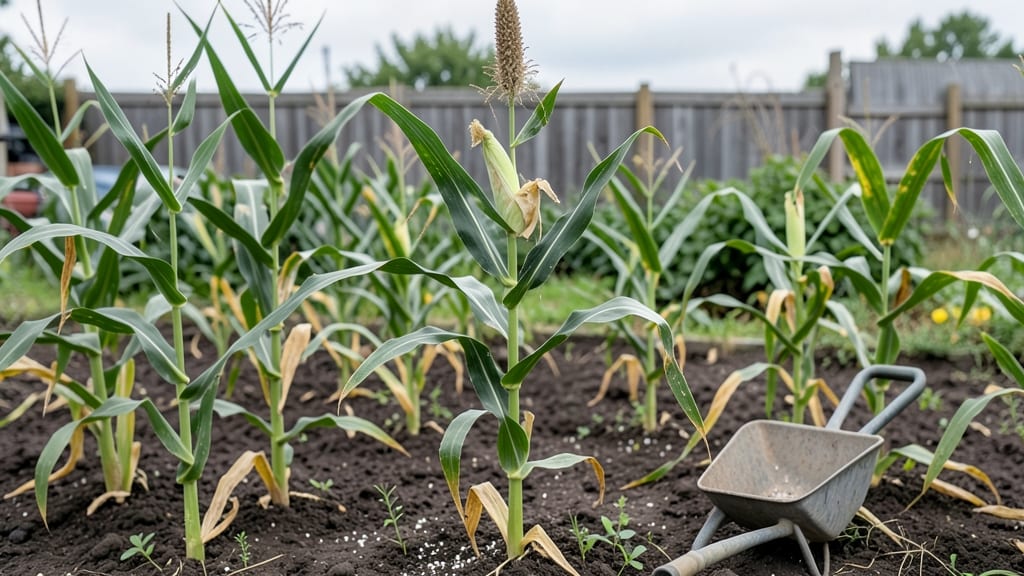
Fertilizing corn plants 🌽 is the secret to turning tall stalks into heavy, sweet ears—but most gardeners either overdo it or miss the critical timing that makes the difference.
Corn demands precise nutrition to fuel its rapid growth, and getting the nitrogen-potassium balance wrong can leave you with weak stalks or stunted ears. I’ve seen 6-foot plants collapse under their own weight because of a single missed feeding window.
This guide breaks down the exact NPK ratios for each growth stage, when to apply fertilizer for maximum yield, and how to spot signs of over- or under-feeding before it’s too late.
Whether you’re using organic compost or synthetic blends, you’ll learn how to fertilize for peak harvests without wasting money—or burning your plants in the process.
Optimal nitrogen-potassium ratios for corn growth stages
Corn thrives when its nitrogen and potassium needs are met at the right stages—too much nitrogen early can delay ear formation, while potassium shortages weaken stalks. The key is adjusting ratios as plants transition from leafy growth to ear development.
Start with a soil test to baseline your nutrient levels before making adjustments.
Corn’s growth divides into three critical phases: vegetative (leafy growth), tasseling (pollination), and ear development (kernel fill). Each phase demands different NPK ratios. For example, nitrogen-heavy fertilizers (like urea) fuel early growth, while potassium-rich blends (like 0-0-50) strengthen stalks during ear formation.
Ignoring these shifts often results in stunted ears or lodging (fallen stalks).
Here’s how to tailor your NPK ratios to each stage, along with soil-test adjustments and application timing for maximum yield.
During the vegetative stage, corn prioritizes leaf and stalk development, so a 30-0-10 ratio (high nitrogen, low potassium) works best. Apply half your starter fertilizer at planting, then side-dress with another dose when plants reach 6 inches tall.
This prevents nitrogen burn while ensuring rapid early growth. If your soil test shows organic matter below 3%, mix in compost to improve nutrient retention.
Shift to a 10-10-20 ratio at tasseling (when pollen appears). Potassium becomes critical here to prevent lodging and support pollination. Apply a potassium sulfate side-dressing when tassels emerge.
Skip nitrogen-heavy fertilizers now—excess nitrogen at this stage can delay ear formation. Monitor for silver streaks on leaves, a sign of potassium deficiency.
For ear development, switch to a 5-5-30 ratio to prioritize kernel fill and stalk strength. Foliar sprays of potassium nitrate (0-0-15) at the silk stage can boost yields by up to 20%.
Avoid nitrogen entirely if your soil test shows levels above 100 ppm, as excess nitrogen diverts energy away from ear production. Look for purple undersides on leaves, a classic sign of phosphorus or potassium starvation.
Adjust ratios based on your soil test results. For example, if your soil is sandy, increase potassium by 10-20% since it leaches quickly. In clay soils, reduce nitrogen by 15% to prevent buildup.
Always apply fertilizers in early morning to minimize leaf burn. Water thoroughly after application to move nutrients into the root zone.
Organic gardeners can use composted manure (3-1-2 ratio) early in the season and greensand (0-0-10) during ear development. Synthetic blends like 10-10-20 offer precise control but may require more frequent applications. Test soil every 2-3 years to track nutrient changes—corn is a heavy feeder and depletes potassium
Common fertilizer mistakes that reduce corn yields (and how to fix them)
Even experienced gardeners sometimes overcorrect when fertilizing corn plants. Too much nitrogen can lead to lush, weak stalks with tiny ears, while potassium deficiencies often go unnoticed until it's too late. The key is balancing nutrients with precise timing—something many gardeners overlook until their corn plants start struggling mid-season.
One of the biggest mistakes is assuming a one-size-fits-all fertilizer works for all corn varieties. Sweet corn, field corn, and popcorn each have slightly different nutrient needs, yet many gardeners apply the same high-nitrogen blend to all.
This approach often results in stunted ear development or poor kernel fill, even when the plants look healthy above ground.
Another critical error is ignoring micronutrients like zinc, magnesium, and boron. These trace elements are essential for ear formation and kernel development, yet they’re often overlooked in favor of nitrogen-heavy fertilizers. Without them, your corn might look great but produce small, underdeveloped ears—or none at all.
🚨
Applying more than 2 pounds of nitrogen per 100 sqft during the growing season can cause leaf scorch and root burn. Corn plants only need 1.5–2 lbs of nitrogen total—most of it applied at planting and side-dressed at 6–8 inches tall. Excess nitrogen leads to weak stalks that snap under ear weight and poor kernel development.
Fix it: Test soil first! If your soil already has high organic matter, reduce synthetic nitrogen by 30–50%. Use a soil test kit to check nitrogen levels before applying fertilizer.
Poor application timing is another silent yield-killer. Many gardeners apply all their fertilizer at planting, then forget about it until harvest time. Corn plants need side-dressing—a mid-season boost of nitrogen—when they reach knee height (6–8 inches).
Without this, your plants may look stunted or produce ears with poor kernel fill.
Finally, some gardeners assume more fertilizer = better yields, but this backfires when they don’t account for weather conditions. Heavy rains can leach nutrients away, while drought stress makes plants unable to absorb even the right nutrients.
Always fertilize in the morning after a light rain to ensure nutrients stay in the root zone.
To salvage struggling corn plants, start by pruning damaged leaves and applying a balanced fertilizer (10-10-10) at half strength. For micronutrient deficiencies, use a chelated micronutrient spray like zinc sulfate or boron solution.
Monitor your plants closely—if you see yellowing between leaf veins, it’s likely a magnesium deficiency, which can be fixed with Epsom salt (1 tablespoon per gallon of water).
🌽 Remember, corn plants are heavy feeders but not gluttons. The goal is strong stalks, not fast growth. By correcting these common mistakes, you’ll transform your corn yields from disappointing to downright impressive.