Companion Plants
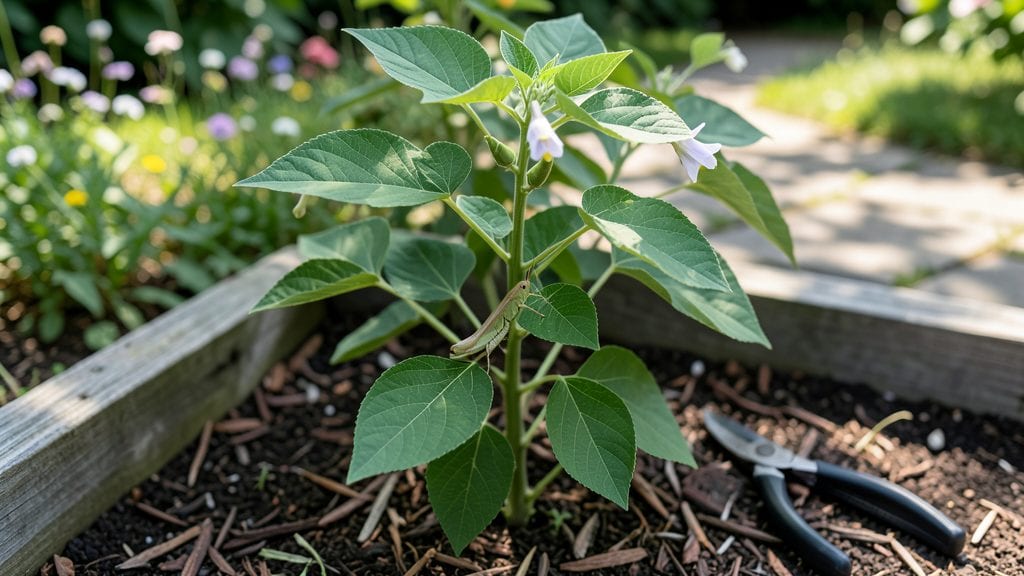
Grasshoppers on plants can devastate gardens by chewing through leaves, stems, and flowers, leaving behind jagged edges and hollowed-out foliage. They reproduce explosively in hot, dry weather, so quick action prevents irreversible damage. My go-to solutions are neem oil sprays, insecticidal soap, and attracting natural predators like ladybugs and birds.
These hungry pests aren't picky—they'll munch on vegetables, fruits, and even ornamental plants, with young nymphs often causing more damage than adults due to their voracious appetites. 🔥 The key to stopping them early is monitoring for signs like scattered frass (tiny black droppings) or notched leaf edges.
I've found that combining physical barriers with organic sprays works best, especially during their peak activity in late summer when they're most destructive.
For gardeners, the battle isn't just about repelling grasshoppers—it's about creating an environment where they have fewer reasons to stick around. Simple changes like adding water sources for beneficial insects or planting grasshopper-repelling herbs can make a big difference without harsh chemicals.
The earlier you act, the less damage they'll do to your plants.
💡 In This Article
- How Grasshoppers Damage Plant Growth
- Natural Grasshopper Control Methods for Gardens
How grasshoppers damage plant growth
Grasshoppers attack plants using powerful mandibles that act like scissors, slicing through plant tissue with precision. Their saliva contains enzymes that break down cell walls, accelerating decay and making leaves more vulnerable to disease.
Young nymphs start with smaller bites, but as they mature, their chewing becomes more aggressive, stripping plants bare in just 7-10 days during peak feeding seasons.
Adults prefer tender new growth and flowers, while nymphs target stems and roots near the soil line. The damage pattern is distinctive: leaves develop irregular notches along edges, and severe cases leave only the leaf veins intact—a condition called "skeletonization."
Their frass (droppings) appears as tiny black specks scattered across foliage, an early warning sign of infestation.
Young plants suffer most because grasshoppers consume entire leaves, while mature plants can tolerate some damage. However, repeated attacks weaken roots and reduce photosynthesis. The saliva's enzymatic action doesn't just remove tissue—it creates entry points for fungal infections, turning mechanical damage into a secondary health crisis for affected plants.
Lifecycle stages matter: nymphs go through 5-6 molts before becoming adults, with each stage increasing feeding intensity. Early intervention is critical because once adults emerge, their mobility makes them harder to control. The key is spotting frass or feeding patterns before plants show visible stress.
What most gardeners miss is how grasshoppers prioritize plants based on moisture levels. Drought-stressed plants become their first targets because they're easier to digest. This explains why dry summers see outbreaks—both the pests and the plants are more vulnerable to each other's presence.