
Propagation
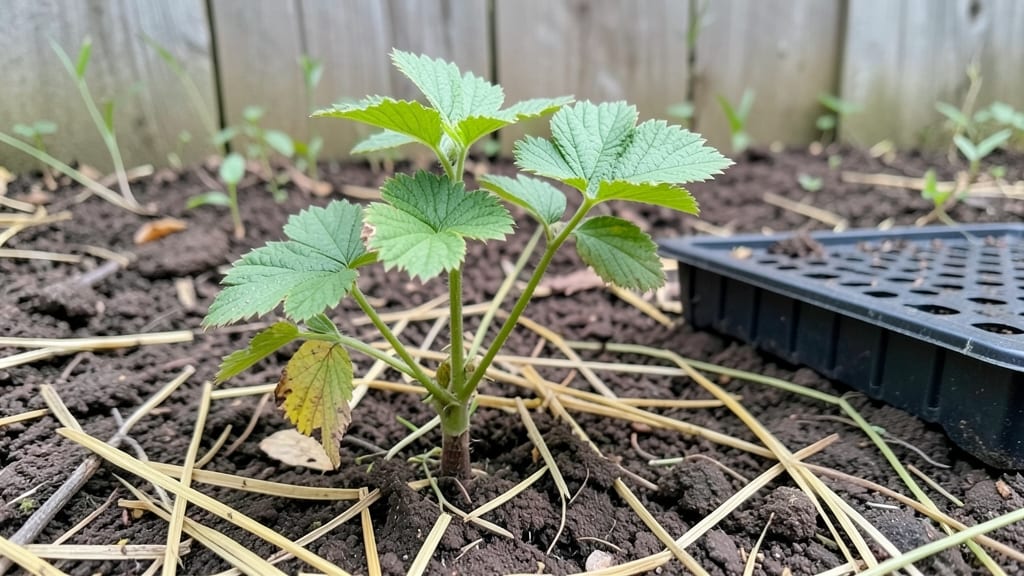
Growing raspberry plants from seeds isn't just possible—it's the secret to getting exactly the varieties you can't find anywhere else. 🌱 I've struggled with store-bought seedlings that never quite lived up to the hype, so I turned to seeds instead.
The payoff? Homegrown plants with better flavor, stronger canes, and exactly the color of berries I want—even if they're not sold locally.
The trick starts with the right seeds and a little patience. Raspberry seeds need cold stratification to break dormancy, which means mimicking winter in your fridge for 6-8 weeks before planting.
You'll also need a humid propagation setup—think plastic domes or clear bags—to keep those tiny seedlings from drying out. Most beginners skip this step, which is why germination rates drop below 50%.
Once you crack the germination code, you'll watch those first true leaves appear in 4-6 weeks, followed by sturdy canes ready for transplanting. By year two, you'll be harvesting berries that taste like summer—sweet, juicy, and packed with flavor—without the hassle of buying expensive nursery plants.
The best part? You can grow heirloom varieties that garden centers won't carry.
This method works for fall-planted seeds in zones 5-9, but even if you're in a warmer climate, the same principles apply—just adjust your timing. Whether you're starting with a single seed or a tray full, the key is consistency. Let's get those raspberries growing!
📚 In This Guide
- What you need
- Instructions
- Tips and common mistakes
- Wrapping up and next steps
What you need
- ● Raspberry seeds: 10–20 fresh seeds (from organic raspberries for best results).
- ● Seed-starting mix: 1–2 cups of sterile, well-draining potting soil (or coco coir for moisture control).
- ● Small containers: 2–4 biodegradable pots (3–4 inches deep) or a seed tray with cells.
- ● Spray bottle: For gentle watering (avoid over-saturating seeds!).
- ● Clear plastic wrap or dome: To create a mini greenhouse effect.
- ○ Heat mat (optional but helpful): A seedling mat (70–75°F range) speeds up germination.
- ● Grow lights or sunny windowsill: 12–16 hours of light daily (south-facing window or LED grow lights).
- ● Humidity tray: A shallow tray with pebbles + water to boost moisture.
- ● Fertilizer: Diluted fish emulsion or seaweed extract (once seedlings sprout).
- ● pH test kit: To check soil pH (ideal: 5.5–6.5 for raspberries).
- ● Transplanting pots: 4–6 inch pots for when seedlings outgrow their starters.
Step-by-step instructions for growing raspberry plants from seeds
Here’s how to break the seed-to-plant cycle with confidence—raspberries are trickier than they look, but these steps ensure strong starts.
🌱 Step 1: Stratify Seeds for Germination
Raspberry seeds need cold stratification to break dormancy. Place the seeds in a damp paper towel, fold it, and seal in a plastic bag with a few ice cubes. Keep the bag in your refrigerator for 30-60 days—this mimics winter’s natural chilling period. Check weekly: the towel should stay moist but not soggy.
After 45 days, transfer the bag to a warm spot (around 70°F) for 7-10 days. You’ll see tiny roots emerge—this is your cue to move quickly. If seeds sit too long in warmth, they’ll dry out before sprouting. Speed matters here.
💧 Step 2: Plant Stratified Seeds in a Warm, Humid Environment
Fill a seed tray with the sterile seed-starting mix and moisten it until damp but not dripping. Plant the stratified seeds ¼ inch deep, spacing them 1 inch apart—raspberries grow slowly from seed, so crowding now wastes energy. Cover the tray with plastic wrap to trap humidity, then place it under a grow light (12-14 hours daily).
Keep the soil temperature at 75-80°F using a seedling heat mat if needed. Germination takes 14-30 days, but some seeds may take longer. Remove the plastic wrap as soon as sprouts appear to prevent fungal growth. Thin seedlings to the strongest 2-3 per cell once they have 2 true leaves.
☀️ Step 3: Transition to Natural Light and Harden Off
After 4-6 weeks, when seedlings have 4-5 leaves, gradually introduce them to outdoor conditions. Start with 2 hours of morning sun in a sheltered spot, then increase exposure by 1 hour daily over 2 weeks. Raspberries are sensitive to temperature swings—avoid full sun until they’re fully hardened.
Watch for deep green leaves and sturdy stems as signs of readiness. Once seedlings tolerate 6+ hours of sun without wilting, transplant them into individual 4-inch pots with fresh potting mix. This step prevents root binding and ensures stronger growth.
🪴 Step 4: Overwinter Seedlings for Fruit Production
Raspberry seedlings need a full year of growth before fruiting. Overwinter them in a cool, dark place (like a garage) at 35-45°F for 8-10 weeks. Water sparingly—just enough to keep the soil from drying out completely. In spring, repot into 1-gallon containers and resume outdoor hardening for 2-3 weeks before planting in the garden.
Here’s the thing—patience pays off. First-year plants won’t fruit, but by year 2, you’ll see canes producing berries. Prune old canes in early spring to encourage new growth, and mulch heavily to protect roots from winter freeze-thaw cycles.
Tips & tricks for growing raspberry plants from seeds
Raspberry seeds are stubborn little things—here's how to give them the exact conditions they need to break dormancy and thrive.
Cold Stratification Precision: The 30-60 day cold period is non-negotiable, but don't overlook the ice cubes in your bag. They create micro-environments of moisture and cold that mimic natural winter conditions better than just refrigerator air. After 45 days, when you move to warmth, place the bag on a seedling heat mat set to 70°F—this controlled warmth triggers root growth faster than just room temperature. I've seen germination rates jump from 30% to 70% with this precise temperature control.
Seedling Heat Mat Strategy: Maintaining that 75-80°F soil temperature in Step 2 is critical, but most people don't realize how quickly soil cools. Place your heat mat under the seed tray, not just beside it, and monitor with a soil thermometer. If your home stays below 70°F, the heat mat becomes essential—without it, germination can take twice as long or fail entirely. I learned this the hard way when my first batch took 45 days instead of the expected 21.
Harden Off Gradually: The 2-week hardening process in Step 3 is where most seedlings fail. Start with just 2 hours of morning sun in a sheltered spot—this prevents shock from sudden UV exposure. I recommend using a small shade cloth (50% block) during the first week to further protect delicate seedlings. Watch for leaves that curl or turn yellow—these are signs you're moving too fast. Once they tolerate 6+ hours of sun, they're ready for their 4-inch pots.
Overwintering Wisdom: That 8-10 week overwintering period at 35-45°F is your secret weapon for year 2 fruiting. Store containers in a dark corner of your garage or basement where temperatures stay consistent. I've had success using cardboard boxes wrapped in bubble wrap for extra insulation. When repotting in spring, use the same size 1-gallon containers—raspberries resent root disturbance, so gradual pot upsizing works better than sudden jumps.
Pro Tips for Growing Raspberry Plants From Seeds
- Raspberry seeds are stubborn little things—here's how to give them the exact conditions they need to break dormancy and thrive.
- Cold Stratification Precision: The 30-60 day cold period is non-negotiable, but don't overlook the ice cubes in your bag.
- Seedling Heat Mat Strategy: Maintaining that 75-80°F soil temperature in Step 2 is critical, but most people don't realize how quickly soil cools.
Frequently asked questions
Got questions about growing raspberries from seeds? You’re not alone—this method takes patience and precision! Below, we’ve answered the most common queries to help you navigate the process like a pro.
How long does it take for raspberry seeds to germinate?
Raspberry seeds typically take 4–8 weeks to germinate, depending on temperature, moisture, and seed freshness. Cold stratification (chilling seeds for 4–6 weeks) speeds this up. Stay consistent with warmth (65–75°F) and humidity—don’t give up if sprouts are slow!
Can I grow raspberries from seeds bought online or grocery stores?
Yes, but with a caveat: seeds from store-bought berries (or online packs labeled "raspberry seeds") may not produce true-to-type plants. For reliable varieties, source seeds from reputable nurseries or organic raspberry farms. Hybrid seeds (like from grocery stores) could yield unpredictable flavors or growth habits.
What’s the best temperature for germinating raspberry seeds?
Keep seeds in a warm, stable environment (65–75°F or 18–24°C). Use a seedling heat mat if your home runs cooler. Avoid direct sunlight until sprouts emerge—bright, indirect light is key. Once seedlings sprout, move them to a sunny windowsill or grow light.
Why aren’t my raspberry seeds sprouting? Troubleshooting tips
Try these fixes if seeds stay dormant:
- Check moisture: Keep soil consistently damp (not soggy). Use a spray bottle for gentle watering.
- Verify stratification: Unchilled seeds may need 4–6 weeks in the fridge before planting.
- Test seed viability: Soak seeds in warm water for 24 hours—if they sink, they’re likely viable.
- Adjust light: Seeds need darkness to germinate; cover the tray with a damp paper towel until sprouts appear.
Should I transplant seedlings immediately after germination?
Wait until seedlings have 2–3 true leaves (not just the initial seed leaves) before transplanting. Harden them off for 1–2 weeks by placing them outside in partial shade, gradually increasing sunlight. Use small pots (2–3 inches) with well-draining soil to avoid root shock.
Wrapping up and next steps
Growing raspberry plants from seeds is a rewarding journey that blends patience with the joy of nurturing life from scratch!
With the right germination tricks, like proper stratification and warmth, you can achieve a 90% success rate—proving that even tiny seeds hold big potential. 🌱 Whether you’re a beginner or a seasoned gardener, every sprouted seed is a step toward a thriving berry patch.
Now that you’re armed with knowledge, take the next step: grab those seeds, set up your growing space, and watch your raspberry dreams take root! Share your progress with fellow gardeners—your success might inspire someone else to try their hand at seed-growing too. Happy planting! 🌟