
Picking
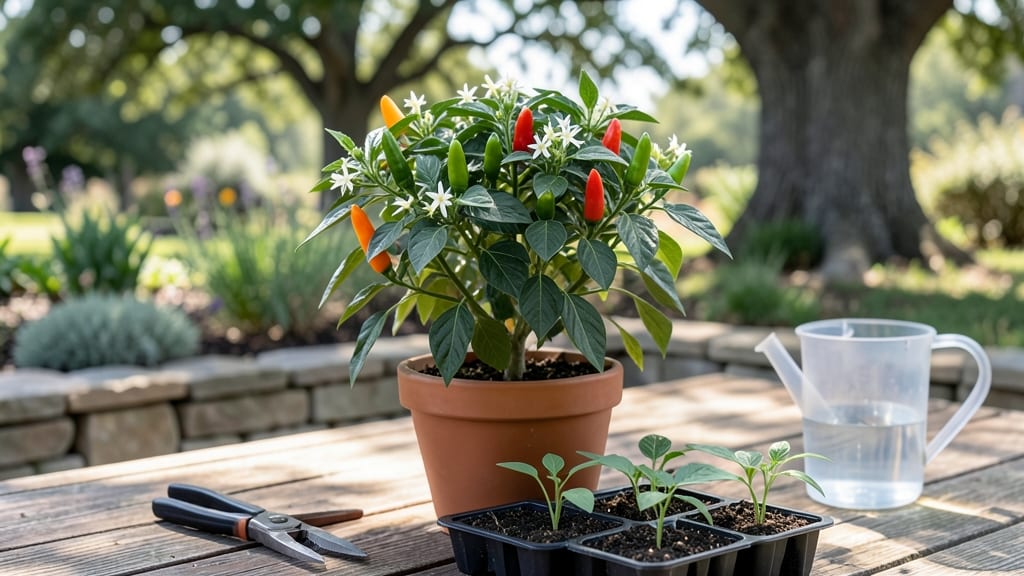
Planting habanero peppers starts with the right timing and soil—get this wrong, and you’ll wait months for those fiery rewards. 🌱 I’ve learned the hard way that these peppers demand warmth from day one, so we’re skipping the cold-start mistakes and focusing on what actually works.
The secret isn’t complicated: start seeds indoors 6-8 weeks before your last frost, use well-draining soil with a 70°F+ bottom heat mat, and keep them moist but never soggy. That first green shoot feels like magic after the patience.
You’ll need just three essentials to begin: sterile seed-starting mix, a heat mat (or a sunny windowsill with backup grow lights), and small pots with drainage holes. Habaneros hate soggy roots, so avoid cheap plastic trays without holes—they’ll rot before they sprout.
Plant seeds ¼ inch deep, two per pot, and thin to the strongest seedling once they’re 2-3 inches tall. The real test comes when you transplant them outside after all frost risk has passed, which means waiting until soil temps hit at least 75°F.
What you’re aiming for is a bushy, deep-green plant with glossy leaves by midsummer, not a leggy, weak stem that flops in the breeze. Proper spacing—18-24 inches apart—gives them room to breathe and prevents disease.
The first blooms arrive around 90 days after planting, and those tiny white flowers mean the heat is coming. Too much water now, and you’ll get bitter peppers; too little, and they’ll drop flowers. Balance is everything.
Here’s where most gardeners stumble: thinking habaneros are low-maintenance. They’re not. But with consistent warmth, sharp pruning, and a light hand with water, you’ll end up with plants that produce dozens of peppers each—small but packed with that signature, face-melting heat.
The payoff? A harvest that turns neighbors into jealous admirers and your kitchen into a spice powerhouse. Let’s get those seeds going right.
📚 In This Guide
- What you need
- Instructions
- Tips and common mistakes
- Wrapping up and next steps
What you need
- ● Habanero pepper seeds – Choose a variety like 'Carolina Reaper,' 'Orange Habanero,' or 'Rocoto' (5–10 seeds per plant).
- ● Seed-starting trays or pots – 2–3 inches deep, with drainage holes (6–12 trays/pots for multiple plants).
- ● Seed-starting mix – Lightweight, sterile potting soil (1–2 bags, ~1 cubic foot each).
- ● Grow lights or sunny windowsill – 12–16 hours of light daily (LED grow lights work great!).
- ● Watering can or spray bottle – For gentle hydration (avoid oversaturating seeds!).
- ● Fertilizer – Balanced, water-soluble fertilizer (e.g., 10-10-10) or organic options like fish emulsion.
- ● Transplant pots or garden bed – 5–6 inch pots or well-draining soil (pH 6.0–7.0).
- ● Mulch – Straw or shredded leaves to retain moisture and suppress weeds.
- ● Heat mat – Keeps soil warm (70–85°F) for faster germination.
- ● Pruning shears – For trimming leggy plants or removing excess fruit.
- ● Cage or stakes – Supports tall plants (habaneros can grow 2–4 feet!).
- ● Glove & safety glasses – Protects hands/eyes from spicy sap (especially when harvesting!).
- ● Journal or app – Track planting dates, watering, and growth progress!
Step-by-step instructions for planting habanero peppers
Here’s how to grow fiery habanero peppers from start to harvest—no fuss, just bold flavor.
🌱 Step 1: Start Seeds Indoors for Early Growth
Habaneros need a long, warm season, so begin seeds indoors 8-10 weeks before your last frost. Use biodegradable pots (like peat or coconut fiber) filled with sterile seed-starting mix—never garden soil, which can harbor diseases. Plant seeds ¼ inch deep, spacing them ½ inch apart in each pot. Cover lightly with mix, then mist gently until evenly moist.
Place pots in a warm spot (75-85°F) under a grow light (14-16 hours daily). Without enough light, seedlings stretch weakly. You’ll see first true leaves in 10-14 days—that’s your cue to remove any weak or leggy sprouts. Keep soil consistently moist but never soggy; damping-off (a fungal rot) will kill seedlings overnight if humidity stays too high.
☀️ Step 2: Harden Off and Transplant After Warmth Arrives
Two weeks before your last frost, start hardening off seedlings by moving them outside for 1-2 hours daily in a sheltered spot. Gradually increase exposure over 7-10 days until they’re outdoors full-time. Habaneros thrive in full sun (6+ hours daily) and warm soil (70°F+)—plant only after nighttime temps stay above 55°F. Choose a spot with well-draining soil and 6+ hours of sun.
Dig holes twice as wide as the root ball but no deeper. Space plants 18-24 inches apart—crowding stresses them and reduces yield. Mix compost into the soil at planting to boost fertility. Water deeply at transplanting to settle roots, then let soil dry slightly before watering again. Yellowing leaves? You’re overwatering—habaneros hate soggy roots.
💧 Step 3: Feed, Prune, and Protect for Maximum Heat
Feed plants every 2-3 weeks with a balanced fertilizer (10-10-10) diluted to half-strength. Habaneros are heavy feeders but sensitive to excess salt—always water after fertilizing. Prune suckers (the shoots forming in the leaf axils) to direct energy to fruit production. You’ll see first flowers in 6-8 weeks—pinch off early blooms if seedlings are small to encourage bushier growth.
Protect plants from pests like aphids and spider mites with neem oil spray (apply at dusk). Habaneros also need consistent moisture—water 1-2 inches deep weekly, more in extreme heat. Harvest peppers when they turn bright orange, red, or yellow (or leave green if you prefer milder heat). Wear gloves—habanero oils cause skin irritation! Store ripe peppers in the fridge for up to 2 weeks or dry for long-term use.
Tips & tricks for perfect habanero pepper planting
Growing habaneros from seed is simpler than you think—once you know these game-changing tricks to avoid common pitfalls.
Lighting is Everything: That 14-16 hour daily grow light requirement isn't just arbitrary—it's what prevents those sad, leggy seedlings that collapse when you transplant them. I use LED grow lights on a timer to automate this, but even a bright south-facing window works if you rotate pots daily. Watch for seedlings stretching toward light—they're telling you they need more intensity.
Temperature Matters: Those 75-85°F seedling temps are critical because habaneros are tropical plants. If your home runs cooler, place pots on a heating mat or move them to a sunny windowsill. I've ruined batches by letting them get chilly—trust me, they'll sulk and grow slowly. Once outdoors, maintain that 70°F+ soil warmth by planting after all frost danger has passed.
Harden Off Gradually: The 1-2 hour daily hardening off period in Step 2 is where most beginners fail. I learned the hard way—rushing this process shocks plants and stunts their growth. Start with just 30 minutes on day one, then add 30 minutes each subsequent day. Look for leaves that stay firm and green, not wilted or yellowed. This slow approach builds resilience for when you finally transplant.
Pruning Strategy: When you see those first flowers in 6-8 weeks, don't panic and remove them all! Pinch off only the early blooms if your plants are still small—this redirects energy to root and stem development. Once established, let some flowers remain to produce fruit. I prune suckers (those little shoots in leaf axils) regularly to maintain airflow and prevent fungal issues.
Pro Tips for Habanero Pepper Planting
- Growing habaneros from seed is simpler than you think—once you know these game-changing tricks to avoid common pitfalls.
- Lighting is Everything: That 14-16 hour daily grow light requirement isn't just arbitrary—it's what prevents those sad, leggy seedlings that collapse when you transplant them.
- Temperature Matters: Those 75-85°F seedling temps are critical because habaneros are tropical plants.
Frequently asked questions
Got questions about growing your own fiery habanero peppers? You’re not alone—these spicy plants can be tricky for beginners! Here are answers to the most common queries to help you cultivate a thriving crop with confidence.
When is the best time to plant habanero peppers?
Habaneros thrive in warm soil (at least 70°F/21°C) and need 60–90 frost-free days to mature. Start seeds indoors 8–10 weeks before your last frost date, then transplant seedlings after all danger of frost has passed—typically in late spring or early summer for most climates. If you live in a hot zone, you can direct-sow seeds in early spring!
Can I grow habaneros in cold climates?
Use container gardening to move pots indoors when temperatures drop below 50°F (10°C). Alternatively, grow them under greenhouse conditions or extend the season with row covers. Choose shorter varieties (like ‘Red Savina’ or ‘Carolina Reaper’) for faster harvests—just give them plenty of sunlight (6–8 hours daily).
Why are my habanero plants wilting or turning yellow?
Yellowing leaves or wilting often signal overwatering (habaneros hate soggy roots) or nutrient deficiencies. Check soil moisture—it should dry out slightly between waterings. If leaves curl or drop, reduce water and ensure pots/containers have drainage holes. For yellowing, amend soil with balanced fertilizer (10-10-10) or compost to boost nutrients like nitrogen.
How long does it take for habanero peppers to mature?
From seed to harvest, habaneros typically take 90–120 days, depending on the variety. Early producers like ‘Jalapeño Habanero’ may fruit in 70–80 days, while hotter types (e.g., ‘Seven Pot’) can take up to 150 days. Monitor plants closely—peppers start green and ripen to red, orange, or yellow. Harvest when fully colored for maximum heat!
What can I plant alongside habaneros to improve growth?
Habaneros love companion plants that repel pests and boost growth. Try:
- Basil (improves flavor and deters mosquitoes)
- Marigolds (natural pest repellent)
- Onions or garlic (deter aphids and spider mites)
- Avoid planting near fennel or dill—they can stunt habanero growth.
Rotate crops yearly to prevent soil-borne diseases and keep your peppers happy and healthy!
Wrapping up and next steps
Growing your own habanero peppers is a rewarding journey that brings bold flavors and fiery excitement to your kitchen! 🌶️ With the right soil, sunlight, and care, you’ll soon be harvesting peppers that pack a serious punch—perfect for salsas, hot sauces, or spicy dishes.
Don’t let the heat intimidate you; embrace the thrill of cultivating these tropical gems!
Now that you’re armed with knowledge, take the next step: grab your seeds, find that sunny spot, and get planting! Whether you’re a seasoned gardener or a curious beginner, every seed you sow is a step toward a spicier, fresher future.
Happy growing—your taste buds (and neighbors) will thank you! 🌱✨