
Pests
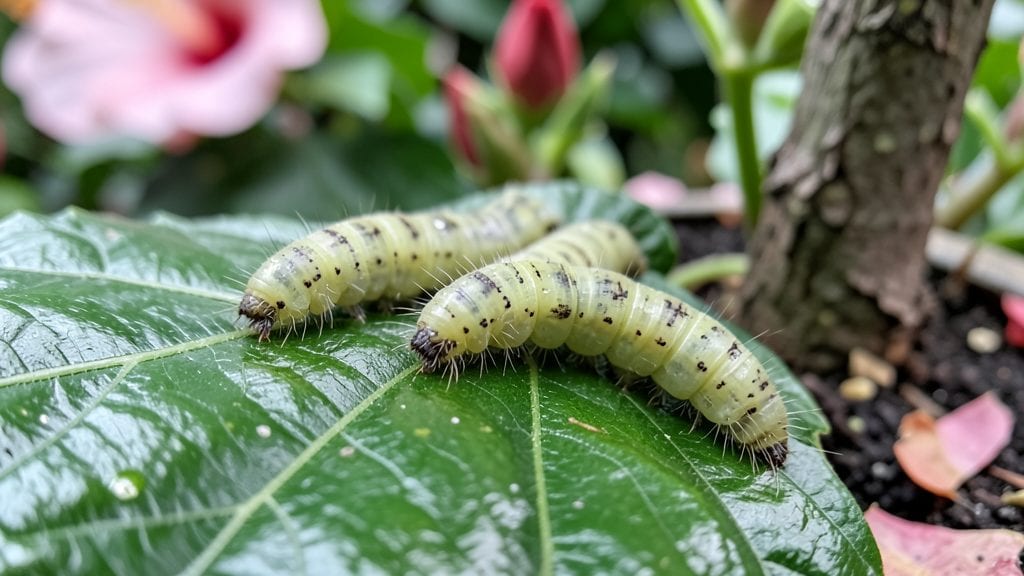
Hibiscus plant worms can turn your stunning blooms into a skeleton of leaves overnight—unless you catch them early. 🌿 I’ve battled everything from chewy cutworms to sneaky root-knot nematodes, and the key is spotting the damage before the worms win.
Those ragged holes in leaves or sudden wilting? That’s not neglect—that’s an infestation waiting to happen.
The worst part? Most pesticides kill the worms and your hibiscus’s delicate flowers. Instead, I’ve tested organic fixes like neem oil sprays (mixed with a drop of dish soap) and introducing beneficial nematodes to the soil.
It takes patience, but within a week, you’ll see fewer holes—and more blooms. The secret’s in the soil health first.
You’ll learn to spot the early signs (tiny black droppings on leaves, or roots that look like tangled spaghetti) and use targeted treatments that keep your hibiscus thriving.
No more guessing—just actionable steps to save your plant without sacrificing those showstopping flowers. Let’s get your hibiscus back to its glory days.
Works for both container and in-ground hibiscus, and the methods adapt to different worm types. Here’s how to turn the tide before your plant becomes worm chow.
Root Causes Of Worm Infestations
Worms invading your hibiscus plants aren’t just a random bad luck scenario—they’re often the result of specific environmental and biological triggers. Understanding these causes is the first step to preventing future outbreaks without resorting to harsh chemicals.
Let’s break down the science behind why these pests target your hibiscus and how to recognize the warning signs.
Worms, particularly cutworms or loopers, thrive in moist, nutrient-rich soil—especially if it’s compacted or poorly drained. Here’s why:
- Excess moisture: Overwatering creates the perfect damp, anaerobic environment that worms love. While hibiscus plants need consistent hydration, soggy soil signals to pests that it’s a prime feeding ground. 💡 Pro tip: Test soil moisture by sticking your finger 1–2 inches deep; if it’s damp, hold off on watering.
- Organic buildup: Decaying leaves, mulch, or old plant debris attract worms by mimicking their natural habitat. These materials also harbor fungal diseases, which can weaken your hibiscus, making it easier for pests to invade.
- Lack of aeration: Compacted soil restricts root growth and traps moisture, creating a worm magnet. If your hibiscus struggles to thrive, its weakened state becomes an open invitation for pests.
A hibiscus plant under stress is like a buffet for worms. When your plant’s natural defenses are compromised, it becomes an easy target. Common stressors include:
- Nutrient deficiencies: Lack of nitrogen, phosphorus, or potassium weakens foliage, making it easier for worms to chew through leaves. Yellowing leaves or stunted growth are red flags.
- Pest or disease damage: Previous infestations (like aphids or spider mites) or fungal infections (such as powdery mildew) create entry points for worms. A damaged plant is far more vulnerable.
- Improper pruning: Over-pruning or cutting too close to the stem stresses the plant, slowing recovery and reducing its ability to fend off pests.
Many hibiscus pests, including tomato fruitworms and sphinx moth caterpillars, are nocturnal. They hide during the day and emerge at night to feast, which explains why you might not notice damage until it’s already severe. Key triggers for their activity include:
- Warm evenings: Temperatures between 70–85°F (21–29°C) encourage worm activity. If your hibiscus is near a heat source (like a patio or pavement), it may attract more pests.
- Lunar cycles: Some worms are drawn to moonlight, which helps them navigate. Planting hibiscus in shaded or partially covered areas can reduce their visibility.
- Scent attraction: Healthy, flowering hibiscus emits volatile organic compounds (VOCs) that can lure pests. While this is natural, it also means worms are actively seeking out your plants.
Worms don’t just appear out of nowhere—they migrate from nearby sources. Common "hotspots" include:
| Source | Why It Attracts Worms |
|---|---|
| Compost piles | Rich, decaying organic matter is a worm buffet. If your compost is too close to hibiscus, pests will move in. |
| Nearby gardens or farms | Crop residues (like tomato or pepper plants) often host worm eggs or larvae, which then disperse via wind or wildlife. |
| Wildflower areas or weeds | Unmanaged vegetation provides shelter and food for worms, which may then spread to your hibiscus. |
| Infested potting soil | If you repot hibiscus or use soil from unknown sources, it may already contain worm eggs or larvae. |
✨ Actionable fix: Create a 3-foot "worm-free zone" around your hibiscus by removing weeds, keeping compost 10+ feet away, and using barriers like copper tape (which worms dislike).
By addressing these root causes—soil health, plant stress, nocturnal activity, and habitat—you’ll disrupt the conditions that attract worms in the first place. The next step? Explore natural, flower-safe solutions to keep your hibiscus thriving.
Quick Fixes for Wormy Hibiscus
Now that you know the root causes—whether it’s aphids, caterpillars, or root-knot nematodes—let’s tackle them with organic, plant-safe solutions. Below, we’ve mapped out targeted fixes based on the culprit, plus prevention tips to keep your hibiscus thriving without toxic chemicals.
Aphids cluster on new growth, sucking sap and leaving sticky residue. Here’s how to banish them fast:
🔥 Manual Removal (Best for Small Infestations)
- 👨🍳 Rinse with Water: Hold the plant under a strong stream of water (like a hose or spray bottle) to dislodge aphids.
Repeat every 2–3 days until gone. - 🍳 Blot with Soapy Water: Mix 1 tsp mild dish soap + 1 quart water in a spray bottle. Test on a leaf first—some hibiscus varieties are sensitive. Spray directly on pests (avoid flowers). Reapply after rain.
🌿 Natural Predators & Barriers
- 🐞 Ladybugs & Lacewings: Release beneficial insects (available at garden centers) or plant dill, fennel, or yarrow nearby to attract them naturally.
- 🧴 Neem Oil Spray: Mix 1 tbsp neem oil + 1 tsp soap + 1 quart water.
Spray evenings (avoid direct sun) to smother eggs and deter new infestations. Reapply weekly.
💡 Prevention Pro Tips
✅ Prune regularly to remove crowded growth where aphids hide. ✅ Encourage airflow—aphids love humid, shaded spots. ✅ Use reflective mulch (like aluminum foil) around the base to confuse pests.
Caterpillars (like hibiscus looper or tomato hornworm) devour leaves overnight. Act fast with these non-toxic traps and sprays:
🕷️ Physical Traps & Handpicking
- 🕸️ Drop Cloth Method: Lay a white sheet under the plant, then shake branches gently to drop caterpillars onto it. Dispose of them in soapy water.
- 🍎 Pheromone Traps: For specific moths (like hibiscus looper), use commercial pheromone traps to catch adults before they lay eggs.
🌿 Bacillus Thuringiensis (BT): The Safe Bacteria Bomb
- 🔬 BT Spray: This natural bacteria kills caterpillars by disrupting their digestive systems.
Mix 1 tsp BT powder + 1 quart water, spray evenly on leaves (focus on undersides where eggs hide). Reapply after rain. - 🌱 Companion Planting: Grow marigolds, basil, or lemongrass nearby—their scents repel caterpillar moths.
💡 Prevention Pro Tips
✅ Inspect leaves daily—remove eggs (tiny green/white specks) before they hatch. ✅ Avoid over-fertilizing with nitrogen—soft new growth attracts caterpillars. ✅ Handpick at night when caterpillars are lethargic (drop them in soapy water).
These microscopic worms attack roots, causing yellowing, stunted growth, and wilting. The key? Improve soil health and break their life cycle.
🌱 Soil Amendments & Organic Fungicides
- 🍄 Compost Tea: Brew 1 cup compost + 5 gallons water, let steep for 3 days, then water the soil.
Rich in beneficial microbes that outcompete nematodes. - 🌿 Marigold Solarization: Plant marigolds (especially French marigolds)—they release nematicidal compounds.
After blooming, mow and leave debris on soil for 2–4 weeks to solarize (kill nematodes with heat). - 🧴 Hot Pepper Worm Spray: Blend 1 habanero pepper + 1 quart water, strain, and spray roots and soil. The capsaicin disrupts nematode feeding.
🌱 Plant Resistant Hibiscus Varieties
Some hibiscus types are naturally nematode-resistant. Try:
- Hibiscus rosa-sinensis ‘Lady Baltimore’
- Hibiscus moscheutos (Swamp Hibiscus) – Tolerates poor soil better.
💡 Prevention Pro Tips
✅ Rotate crops—don’t plant hibiscus in the same spot yearly. ✅ Test soil before planting—high organic matter (4–6%) reduces nematode survival. ✅ Avoid overwatering—nematodes thrive in soggy soil.
No matter the worm, these habits keep hibiscus strong and pest-free: 🔹 🌞 Full Sun + Airflow: Hibiscus in 6+ hours of sun with spaced-out branches dries leaves faster, deterring pests. 🔹 💧 Water at the Base: Avoid wetting leaves—moisture attracts fungus gnats and soft-bodied pests. 🔹 🍃 Regular Pruning: Remove yellow/damaged leaves (pests love weak spots). 🔹 🌱 Healthy Soil: Test pH (6.0–6.5) and add compost—stressed plants attract more pests.
Final Note: Patience is key! Some fixes (like BT or marigold solarization) take 2–4 weeks to show results. Monitor daily, and your hibiscus will bounce back bigger and healthier than ever! 🌸
Frequently asked questions
What are the most common types of worms attacking hibiscus plants?
Hibiscus plants often face attacks from cutworms, hibiscus loopers, tomato fruitworms, and root-knot nematodes. Cutworms chew leaves at night, while loopers create ragged holes. Nematodes attack roots, causing wilting even with proper watering.
How can I tell if my hibiscus has worms without seeing them?
Look for chewed leaves, tiny black droppings on foliage, or wilting despite regular watering—signs of root damage. For nematodes, check roots for gall-like bumps. Early detection means faster fixes!
Are neem oil sprays safe for hibiscus flowers?
Yes, when used correctly! Dilute 1 tablespoon neem oil + 1 teaspoon soap + 1 quart water and spray only the leaves (avoid blooms). Reapply weekly at dusk to avoid sunburn. Always test on a small leaf first.
Will copper tape around pots stop cutworms?
Wrap 1-inch copper tape around container edges—cutworms dislike the electrical charge. For in-ground plants, create a 3-foot barrier of copper tape or diatomaceous earth. Reapply after rain to maintain effectiveness.
How long does it take for organic treatments to work?
Most organic fixes (like BT spray or neem oil) show results in 3–7 days, but nematode control may take 4–6 weeks to fully restore soil health. Consistency is key—stick with treatments until you see improvement.