
Pests and Diseases
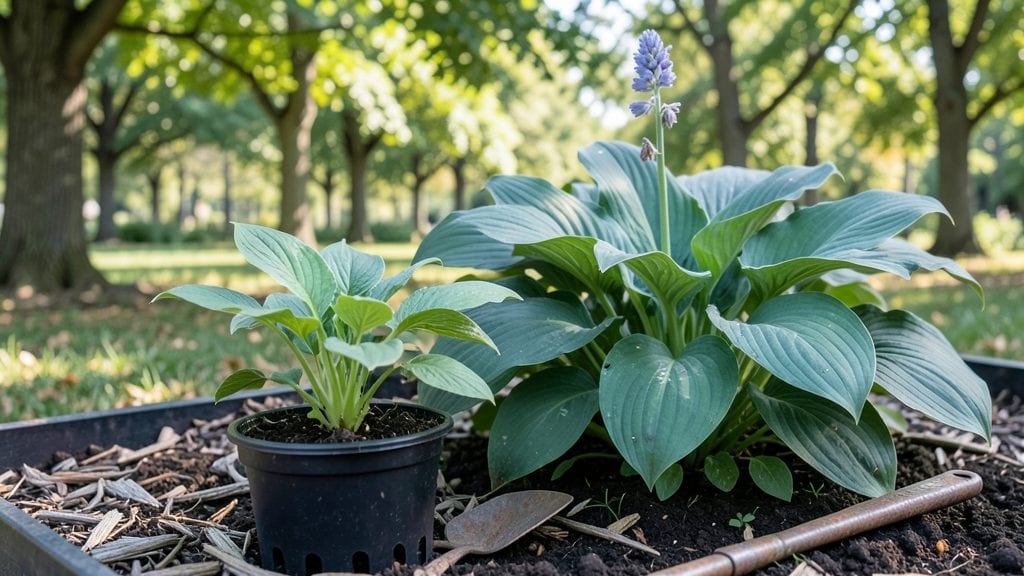
Planting hostas 🌿 with the right distance is the key to avoiding a future headache of crowded, floppy leaves and slug magnets.
Struggling to keep your hostas looking vibrant and healthy? The secret isn’t just in soil or sunlight—it’s in the spacing. Plant them too close, and you’ll battle overcrowding, disease, and stunted growth.
But get the distance right, and you’ll unlock lush foliage, better airflow, and a garden that thrives year after year.
In USDA Zone 6a, where spring planting runs from April to May, spacing isn’t just about aesthetics—it’s about survival. Too little room, and your hostas will compete for nutrients, leaving them weak and vulnerable to pests. Too much, and you waste space that could be filled with other perennials.
Below, I’ll break down the exact spacing you need for dwarf, medium, and giant varieties, plus how to fix overcrowded beds and design layouts that make the most of your space.
Optimal hosta planting distance by variety size: small vs. giant hostas
Hostas are the backbone of shade gardens, but their planting distance makes all the difference between a thriving display and a struggling mess. The wrong spacing leads to root competition, disease outbreaks, and plants that never reach their full potential.
I’ve learned the hard way—crowding turns my giant hostas into sad, leggy shadows of themselves! The good news? Science gives us clear guidelines for spacing by size, from dwarf varieties to monster hostas that can reach 3 feet across.
Proper spacing isn’t just about aesthetics—it’s about air circulation, light penetration, and even division frequency. When roots tangle, hostas become stressed, making them prime targets for slugs and fungal diseases like leaf spot.
But get it right, and you’ll enjoy vibrant foliage, easier maintenance, and plants that last for decades. Let’s dive into the exact distances you need for each hosta size category, plus how to adjust for your garden’s unique conditions.
For dwarf hostas like 'Blue Mouse Ears' or 'Pandora's Box', I plant them just 12-18 inches apart. These tiny powerhouses might look cute in tight clusters, but they’ll quickly outgrow their space, leading to yellowing leaves and slug magnets.
The key is to think long-term—even small hostas need room to breathe. I’ve seen gardeners cram them 6 inches apart, only to watch their plants become a tangled mess by year three.
Medium-sized hostas like 'Halcyon' or 'June' thrive with 24-30 inches of space. This gives their foliage spread room to unfurl without overlapping. I always mark my planting spots with wooden stakes to visualize the mature size.
A common mistake? Planting them in rows like vegetables. Hostas look best in natural groupings of 3-5 plants, creating a lush, textured display.
When it comes to large hostas (think 'Francee' or 'Guacamole'), I never skimp on space. These varieties can reach 3 feet across, so I give them 36-48 inches to spread out. The extra room reduces root competition and makes division easier when the time comes.
Pro tip: If you’re planting near a fence or wall, leave even more space—hostas will lean toward light, and crowded conditions make them leggy and weak.
Giant hostas like 'Sum and Substance' or 'Blue Angel' are the divas of the hosta world. They demand 48-60 inches of space to prevent crowding stress. I’ve seen these beauties planted too close, and within two years, their once-vibrant leaves turn brown and ragged from poor airflow. These varieties also need deeper soil—their roots can grow 12-18 inches deep, so amending your soil with compost is a must.
One question I get often: "Can I plant hostas closer if my garden is small?" The short answer? Not without consequences. Tight spacing may work for a year or two, but you’ll pay later with increased disease risk and stunted growth.
Instead, consider container gardening for dwarf varieties or vertical planting near trellises. For large hostas, a raised bed with proper spacing can save your sanity—and your plants!
Common hosta spacing mistakes and how to fix overcrowded beds
Even the most experienced gardeners sometimes fall into the trap of hosta spacing mistakes. When hostas are planted too closely, they compete for nutrients, leading to stunted growth and increased susceptibility to fungal diseases.
The good news? Fixing overcrowded beds is simpler than you think—it just takes the right approach to division and thoughtful companion planting.
One of the biggest missteps is ignoring a hosta’s mature size at planting time. A dwarf variety might look tiny now, but in 5 years, it could spread 2 feet wide.
Meanwhile, giant hostas like 'Sum and Substance' can reach 3 feet across—planting them too close means a future battle for space. Always check the variety’s mature spread before digging.
⚠️
Hostas planted closer than 12 inches (for small varieties) or 24+ inches (for large ones) create a humid microclimate perfect for slugs and powdery mildew. Poor airflow traps moisture, while crowded roots compete for water, leading to yellowing leaves and weak stems. Fix it now by thinning or dividing—your hostas (and wallet) will thank you!
Another common error is skipping soil preparation before planting. Hostas thrive in rich, well-draining soil, but if you’re cramming them into compacted or nutrient-poor beds, their roots will struggle.
Amend the soil with compost or aged manure before planting, and consider adding a 1-inch layer of mulch to retain moisture and suppress weeds.
If your hostas are already overcrowded, division is the fastest fix. Dig up the clump in early spring or fall, separate the crowns with a sharp spade, and replant the healthiest sections.
Aim for divisions with 3-5 leaves and healthy roots. For large clumps, you can even transplant a portion into containers to free up garden space.
To maximize space without sacrificing beauty, try companion planting. Pair hostas with ferns, heucheras, or low-growing perennials like ajuga. These plants fill gaps naturally while reducing competition. For shade gardens, layering hostas by size—tall varieties in back, dwarf ones in front—creates depth without overcrowding.
Finally, resist the urge to over-fertilize crowded hostas. Too much nitrogen in tight spaces can promote leafy growth at the expense of roots, making plants more vulnerable to pests and disease.
Instead, focus on balanced fertilizer (like 10-10-10) and regular division every 3-5 years to keep your hostas thriving.