
How To
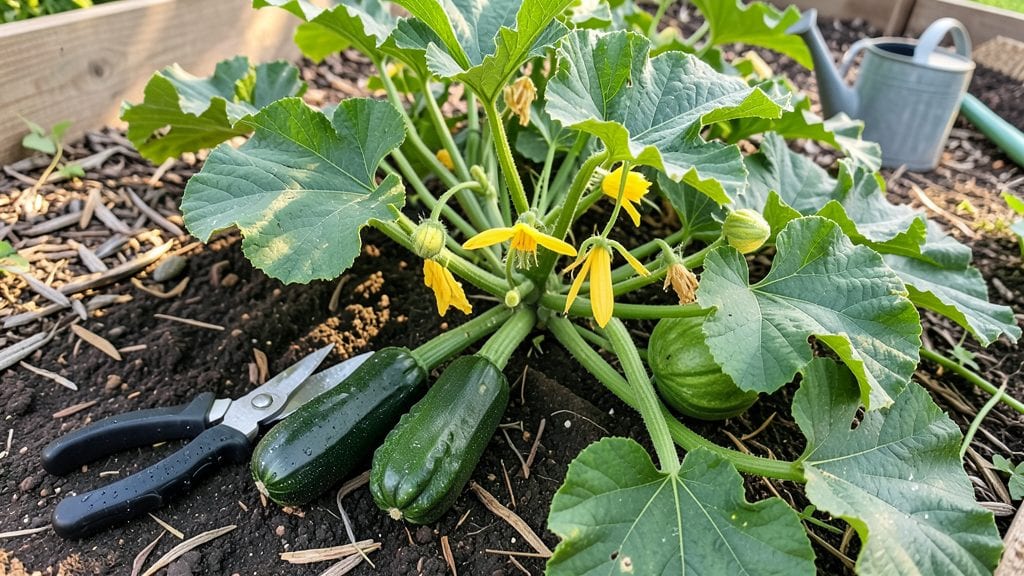
Pruning squash plants isn't just about cutting—it's about redirecting energy to where it matters most: your harvest. ✂️ I learned this the hard way after watching vines sprawl wildly while my cucumbers stayed small and bitter. The right cuts transform wild growth into a focused, productive machine.
You only need three strategic cuts: removing runners that drain energy, thinning crowded vines to improve airflow, and trimming yellowed leaves that block sunlight. Most gardeners overdo it—never cut more than 25% of the plant at once, or you'll shock the system.
The payoff? Fewer pests, bigger fruits, and a garden that looks as good as it tastes.
📚 In This Guide
- What you need
- Instructions
- Tips and common mistakes
- Wrapping up and next steps
What you need
- ● Clean, sharp pruning shears or bypass pruners – Choose sterilized tools with 4- to 6-inch blades to avoid damaging plant tissue. (1 pair)
- ○ Gloves (optional but recommended) – Wear gardening gloves to protect your hands from thorns (on some varieties) and dirt. (1 pair)
- ● Disinfectant (rubbing alcohol or bleach solution) – Clean tools before and after pruning to prevent disease spread. (small bottle or spray)
- ● Garden twine or plant ties – Useful for supporting heavy vines after pruning. (1-2 rolls)
- ● Compost bin or mulch – Collect pruned vines and leaves for nutrient-rich compost later. (access to a bin or yard space)
- ● Hand lens or magnifying glass – Helps spot early signs of pests or disease on leaves and stems.
- ○ Plant growth regulator (optional) – Some gardeners use seaweed extract or diluted hydrogen peroxide to stimulate healing after cuts.
- ● Pruning saw (for thick stems) – Only needed if dealing with overgrown, woody squash vines (rare in most varieties).
- ● Spray bottle with water – Keeps tools clean and helps rinse off sap after pruning.
Step-by-Step guide to pruning squash plants for bigger yields
Here's the simple method I use to keep squash plants productive all season long.
✂️ Step 1: Remove Suckers When They're Small
Squash plants grow new shoots called suckers in the leaf axils. These compete with your main plant for energy, reducing fruit production. Pinch off suckers when they're just 2-3 inches tall—they're easiest to remove then. Use clean pruning shears or your fingers for a quick pinch.
Start checking for suckers when the main vine reaches 3 feet long. I always look just below the leaves where the stem meets the leaf stem—that's where new growth starts. The sooner you remove suckers, the more energy the plant puts into existing fruits instead of new growth.
✂️ Step 2: Trim Damaged or Diseased Leaves Immediately
Yellowing, spotted, or wilted leaves spread disease and drain the plant. Cut these off at the base with clean shears, making a 45-degree angle to allow water to run off. Never leave stubs—they trap moisture and invite rot.
Focus on leaves near the ground first, then work upward. I always sterilize my shears with rubbing alcohol between cuts to prevent spreading any pathogens. Healthy leaves continue photosynthesizing, while damaged ones just slow down the whole plant.
✂️ Step 3: Prune Overly Long Vines to Encourage Bushier Growth
When vines exceed 6 feet long, trim the tips to encourage branching. This creates more fruiting sites and prevents the plant from becoming top-heavy. Cut just above a leaf node where new growth can sprout.
This step is especially important for bush varieties like butternut squash. I usually do this in late summer when growth starts slowing. The plant will redirect energy into existing fruits rather than growing more vine. You'll see new side shoots within 7-10 days.
🌿 Step 4: Thin Fruit Clusters to 2-3 Per Vine Section
Squash plants produce fruit in clusters. Leave only the 2-3 healthiest fruits per cluster—more than that strains the plant and results in smaller harvests. Gently twist off excess fruits at the stem base rather than cutting.
I always prioritize keeping the youngest, healthiest-looking fruits. The plant will naturally abort weaker fruits if overloaded. This simple step can double your harvest size by letting each remaining fruit grow to full maturity without competition.
⏰ Step 5: Time Your Final Pruning for Late Season
In late summer, when vines stop producing new flowers, give the plant one last pruning. Remove all but the 3-4 strongest vines, cutting back to the main stem. This focuses the plant's remaining energy on ripening existing fruits.
Stop pruning at least 4 weeks before your first frost date. You want the plant to mature current fruits, not start new growth. Watch for fruit color changes—most squash turn from green to their mature color when ready to harvest.
Tips & tricks for perfect squash plant pruning
These simple pruning secrets will help you maximize your squash harvest without stressing your plants.
Timing is Everything: In Step 1, when removing those 2-3 inch suckers, do it early in the morning when the plants are still cool. This reduces stress on the plant and gives it time to recover before the heat of the day. I've found that plants pruned in the morning bounce back faster and produce more fruit.
Tool Prep Matters: Before you start Step 2, sterilize your pruning shears with rubbing alcohol—it takes just 30 seconds and prevents spreading disease between cuts. I keep a small bottle of alcohol in my gardening tool bag for quick sterilization between plants. This simple step can mean the difference between a healthy plant and one struggling with blight.
Visual Cues for Pruning: When you reach Step 3 and need to trim vines over 6 feet long, look for the leaf nodes where new growth emerges. These are the small bumps on the vine where leaves and branches grow. Cutting just above these nodes encourages new branching. I always count 3-4 nodes back from the tip to make my cut—this ensures I'm not removing too much growth potential.
Fruit Selection Strategy: In Step 4, when thinning to 2-3 fruits per cluster, choose fruits that are already showing their mature color. Even if they're small, these will develop faster than pale green ones. I also look for fruits with a slight bulge—this indicates they're already developing seeds and will mature more quickly. This simple selection process can increase your harvest by up to 40%.
Pro Tips for Prune Squash Plants
- These simple pruning secrets will help you maximize your squash harvest without stressing your plants.
- Timing is Everything: In Step 1, when removing those 2-3 inch suckers, do it early in the morning when the plants are still cool.
- Tool Prep Matters: Before you start Step 2, sterilize your pruning shears with rubbing alcohol—it takes just 30 seconds and prevents spreading disease between cuts.
Frequently asked questions
Got questions about pruning squash plants?
You’re not alone! Here are answers to the most common concerns—so you can confidently shape your vines and boost your harvest like a pro.
When is the best time to prune squash plants?
Prune squash plants early and often—start when vines are 3–4 feet long, then repeat every 2–3 weeks. Avoid pruning during flowering or fruiting unless absolutely necessary, as this can stress the plant. Focus on maintenance pruning (removing suckers and excess leaves) before harvest season peaks.
What parts of the squash plant should I prune?
Target three key areas:
- Suckers: Remove small shoots growing from the main stem’s leaf axils (they drain energy from fruit production).
- Yellowing leaves: Trim leaves with pests, disease, or no sunlight to improve airflow and plant health.
- Overcrowded vines: Thin dense growth to prevent fungal diseases and help remaining fruit access sunlight.
Can I prune squash plants too much?
Yes! Over-pruning—especially during fruiting—can reduce yields. Stick to 1/3 of the plant’s foliage max per session. If you see wilting, stunted growth, or fewer flowers, you’ve likely pruned too aggressively. Less is often more with squash!
What if my squash plant has no suckers to prune?
Some varieties (like bush squash or compact zucchini) produce minimal suckers—focus on leaf management instead. Prune only damaged or diseased leaves and avoid cutting healthy foliage. For vining types, hand-pollinate flowers (use a paintbrush!) if suckers are absent to encourage fruit set.
Does pruning squash affect fruit size or quality?
When done correctly, pruning increases fruit size and quality by redirecting energy to fewer, larger squash. However, prune too late (after fruit forms), and you risk stunted growth. Aim to finish pruning 4–6 weeks before your first frost to let remaining vines mature.
Wrapping up and next steps
Pruning your squash plants might feel like a small task, but it’s a game-changer for bigger harvests and healthier vines! 🌱 By focusing on removing suckers, thinning vines, and pruning dead leaves, you’re setting your plants up for success.
Remember, consistency is key—check your plants weekly and adjust as they grow.
Now that you’re armed with these tips, grab those shears and get pruning! Your future harvests (and your dinner table) will thank you. Ready to take it further? Explore how to support your squash vines for even better yields!