
Pruning
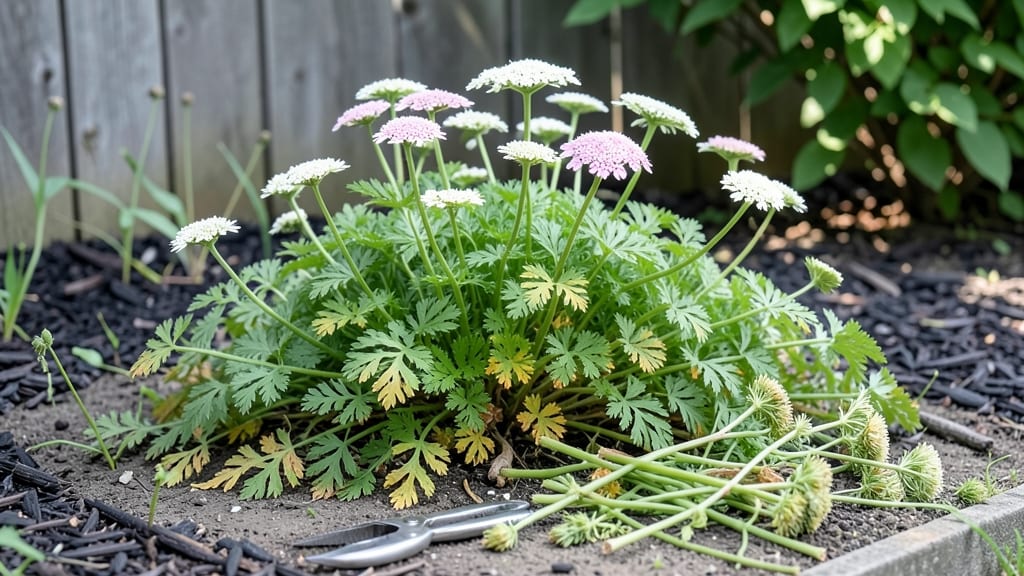
Trimming yarrow plants is the secret to keeping them blooming like crazy all summer long. ✨ I’ve learned that skipping this step means fewer flowers and more floppy stems, but with the right cuts, your yarrow will stay bushy, vibrant, and full of those classic feathery blooms.
The key is timing—too early or too late, and you’ll either stunt growth or invite winter damage.
You’ll only need a few simple tools: sharp pruning shears, gloves (those stems pack a prickle!), and maybe a bucket for clippings.
Spring is the best time to start, cutting back by about a third to encourage fresh growth, while fall cleanup prevents seed spread and keeps the plant tidy for winter. Avoid trimming after the first frost, or you’ll risk weakening the roots before dormancy.
When you make those cuts, aim for just above a leaf node or side shoot to encourage branching. This creates a fuller plant that blooms longer and resists flopping in heavy rain.
The result? A yarrow bush that looks like it belongs in a botanical garden, not just your backyard. Plus, you’ll have extra stems for drying or sharing with friends.
Here’s the thing—yarrow is tough, but it rewards precision. Too aggressive in summer and you’ll trigger a second flush of blooms, but too lazy and you’ll end up with leggy stems.
Balance is everything, and once you get the rhythm, your plants will thank you with nonstop color from early summer until frost. Let’s get those shears out!
📚 In This Guide
- What you need
- Instructions
- Tips and common mistakes
- Wrapping up and next steps
What you need
- ● Pruning shears: A sharp, bypass-style pair (4–6-inch blades) for clean cuts. Avoid dull tools—they crush stems instead of cutting cleanly.
- ● Hand pruners: Smaller, ergonomic pruners (3–4-inch blades) for tight spots or delicate trimming.
- ● Gloves: Heavy-duty gardening gloves to protect your hands from thorns and rough foliage.
- ● Cleaning supplies: Rubbing alcohol (70% isopropyl) or bleach solution (1 part bleach to 9 parts water) to sterilize tools.
- ● Paper towels or a clean cloth for drying.
- ○ Garden twine or plant ties: (Optional) For securing stems if you’re pruning for bouquets or propagation.
- ● Sharp knife or razor blade: For ultra-precise cuts if you’re dividing or layering plants.
- ● Pruning saw: Only needed if dealing with woody, overgrown yarrow stems (rare for most gardeners).
- ● Compost bin or bucket: To collect trimmings for mulch or compost.
- ● Spray bottle with water: Keeps dust down and helps prevent stem damage during trimming.
Step-by-step guide to trimming yarrow for vibrant growth
Here's the straightforward method I use to keep yarrow blooming abundantly all season.
✂️ Step 1: Identify the Right Time to Trim
Trim yarrow in early spring or right after the first flush of blooms fades—usually late March to early April in most climates. You'll know it's time when new growth emerges about 2-3 inches tall after winter dormancy. This first cut encourages bushier, fuller plants.
Never cut back to bare stems—always leave 4-6 inches of growth. I like to make my first cut when the stems are about pencil-thick, which gives the plant enough energy to regrow quickly. If you wait until flowers appear, you'll sacrifice that first bloom cycle.
✂️ Step 2: Use Clean, Sharp Tools for Precision Cuts
Grab your bypass pruners and sterilize them with rubbing alcohol before cutting. Dull blades tear stems and invite disease. Make cuts at a 45-degree angle, about ¼ inch above a leaf node—that little bump where leaves grow out. This angled cut helps water run off instead of pooling.
For larger clumps, I use hand pruners or loppers to cut back thick stems. Always cut just above a set of healthy leaves rather than bare wood. You'll see fresh green growth emerge from those nodes within 2-3 weeks if the timing was right.
✂️ Step 3: Deadhead Spent Blooms for Continuous Flowers
As flowers fade, pinch off the dead blooms with your fingers or snip them with pruners. Cut back to the first set of healthy leaves below the flower head. This redirects the plant's energy into producing new stems and flowers instead of setting seed. You'll notice fresh buds forming at the base of the plant within 10-14 days.
I like to do this every 2-3 weeks during the growing season. The key is consistency—skipping deadheading means yarrow will focus on seed production instead of blooming. If you see seed heads forming, cut them off immediately to keep the plant flowering longer.
✂️ Step 4: Thin Overcrowded Stems for Better Airflow
Yarrow can get woody and crowded over time. In late summer, look for stems that are thicker than a pencil or growing in dense clusters. Cut these back to the base to improve airflow and reduce disease risk. You'll see new, vigorous shoots emerge from the center of the plant within 3-4 weeks.
This is also a good time to divide large clumps. Dig up the plant, separate the roots, and replant the divisions. The older, woody stems in the center often produce the most vigorous new growth when cut back. Just make sure to water well after dividing to help the roots establish.
⏰ Step 5: Prepare for Winter Dormancy
In fall, cut back yarrow to 2-3 inches above the ground once the foliage turns brown. This prevents disease overwintering in dead stems and makes spring cleanup easier. You'll see fresh green shoots emerge in early spring from the base of the plant.
Leave the cut stems in place—they provide some winter protection for the crown. If you live in a very cold climate (below 0°F), add a 2-3 inch layer of mulch around the base. This helps insulate the roots and keeps the plant healthy for next year's blooms.
Tips & tricks for perfect yarrow trimming
A few simple tricks will help you keep your yarrow thriving and blooming beautifully all season long.
Timing is Everything: The late March to early April window is ideal for your first trim because it gives the plant just enough energy to regrow before summer heat sets in. If you're in a warmer climate, watch for those 2-3 inch new shoots—this is your cue. I've learned the hard way that waiting until flowers appear means sacrificing that first flush of blooms for the year.
Tool Precision Matters: That 45-degree angle cut isn't just for show—it helps water run off properly and prevents disease. Sterilize your bypass pruners first with rubbing alcohol, especially if you're working with multiple plants. For larger clumps, I always reach for loppers rather than trying to force hand pruners through thick stems. The ¼ inch above the leaf node rule ensures you're cutting in the right place for maximum regrowth.
Consistency Creates Continuous Blooms: The 2-3 week deadheading schedule might seem frequent, but it's what keeps your yarrow producing fresh flowers instead of seed heads. I set a reminder on my phone—skipping even one cycle means you'll notice fewer blooms later. When you see those fresh buds forming within 10-14 days, you'll know you're doing it right!
Seasonal Strategy: In late summer, don't be afraid to get aggressive with those thicker-than-a-pencil stems. Cutting them to the base might seem drastic, but you'll see vigorous new shoots emerge from the center within 3-4 weeks. This is also perfect timing for dividing clumps—just remember to water well after replanting to help those roots establish.
Pro Tips for Trim Yarrow Plants
- A few simple tricks will help you keep your yarrow thriving and blooming beautifully all season long.
- Timing is Everything: The late March to early April window is ideal for your first trim because it gives the plant just enough energy to regrow before summer heat sets in.
- Tool Precision Matters: That 45-degree angle cut isn't just for show—it helps water run off properly and prevents disease.
Frequently asked questions
Got questions about trimming yarrow like a pro?
Here are the answers to the most common queries—so you can keep your plants thriving with confidence!
When is the best time to trim yarrow?
Trim yarrow after the first flush of blooms (late spring to early summer) to encourage a second round of flowers. Lightly shape the plant in early spring to remove dead growth, but avoid heavy cuts until flowering begins. Pro tip: Deadheading spent blooms regularly keeps the plant tidy and promotes continuous blooming!
How much should I cut back yarrow?
For established plants, cut back by one-third to half the height after flowering. Avoid over-trimming—yarrow is hardy and can bounce back from modest cuts. If you’re pruning for harvest, leave at least 4-6 inches of growth to ensure regrowth.
Can I trim yarrow in winter?
No—wait until early spring (when new growth appears) to trim. Winter cuts can expose the plant to cold damage or rot. If you live in a mild climate, a light cleanup in late winter is fine, but avoid heavy pruning until temperatures rise.
What if my yarrow looks leggy after trimming?
Leggy growth usually means it needs more sunlight or a harder prune. Move it to a sunnier spot (yarrow thrives in full sun) and cut back by half in early spring. Fertilize lightly with compost if the soil is poor—yarrow prefers lean conditions but benefits from occasional nutrients.
Will trimming yarrow affect its medicinal properties?
Not at all! Trimming encourages more robust growth and higher concentrations of beneficial compounds (like achilleine). Just avoid trimming right before a frost if you’re harvesting for remedies—let the plant mature fully for the best potency.
Bonus Tip:
Use your trimmings! Dry yarrow leaves for teas or potpourri, or compost them to enrich your garden soil. Zero waste—just good gardening!
Wrapping up and next steps
Trimming yarrow plants is a simple yet powerful way to keep them thriving and vibrant!
By following the right techniques—like cutting back one-third of the foliage after blooming and removing spent stems—you’ll encourage fresh growth and stunning, long-lasting flowers. 🌸 Whether you’re a gardening newbie or a seasoned pro, a little precision goes a long way in maintaining healthy, lush yarrow.
Now that you’re equipped with the know-how, grab those shears and get pruning! Experiment with different trimming styles to see what works best for your garden. Happy gardening—your yarrow will thank you with a burst of color all season long! 🌿