
Pests and Diseases
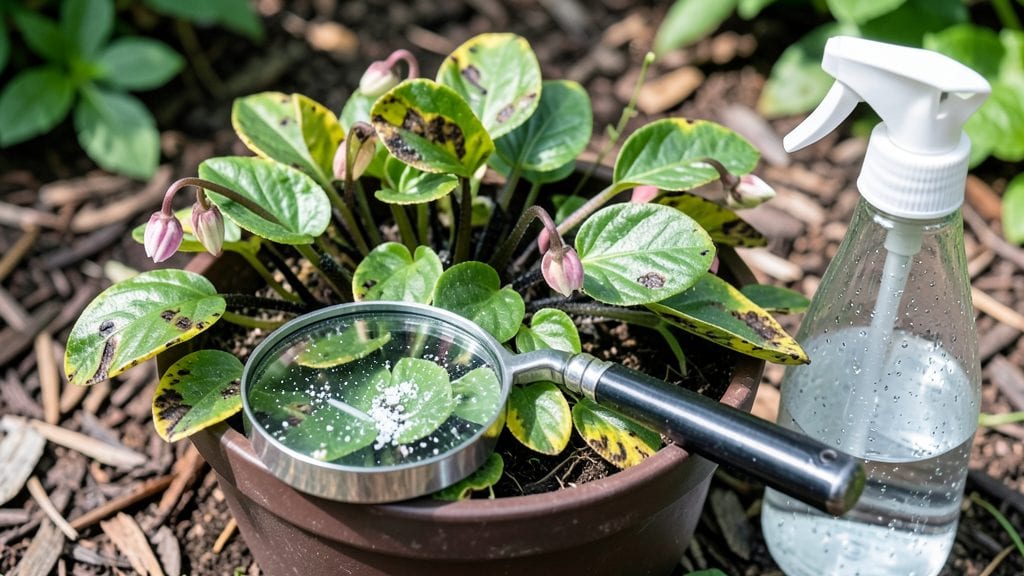
Impatiens plant disease turns vibrant blooms into sad, spotted messes faster than you'd think. 🌿 I’ve watched entire garden beds go from lush to limp in a week, and the worst part? Most of these fungal foes start with symptoms so subtle you might miss them until it’s too late.
The good news? Knowing what to look for—and how to act—can save your plants before the damage spreads.
Fungal diseases like powdery mildew, downy mildew, and botrytis blight thrive in damp, shady conditions, which is why impatiens—those shade-loving workhorses—get hit so hard. Overwatering, poor airflow, or even just leaving wet foliage overnight can turn a healthy plant into a disease magnet.
The key is catching these issues early, when a quick spray or pruning can still turn things around.
You’ll learn to spot the first signs—yellowing leaves, fuzzy white patches, or black spots—and how to treat them without harsh chemicals. Organic options like neem oil or baking soda sprays work wonders if you catch the problem fast, while severe cases might need a targeted fungicide.
The goal? Keep your impatiens flowering like crazy all season long.
This isn’t just about fixing problems—it’s about prevention. Simple habits like spacing plants properly, watering at the base (not overhead), and giving them enough airflow can cut your disease risk by half. Let’s get your impatiens back to their best, fast.
Root Causes Of Impatiens Woes
Impatiens plants, with their vibrant blooms and lush foliage, are a garden favorite—but they’re not immune to fungal threats. Understanding why these diseases strike is the first step to prevention. Below, we break down the key culprits behind impatiens plant disease, from environmental triggers to cultural mistakes that invite trouble.
Fungal spores thrive in stagnant, humid air, and impatiens packed too closely together create the perfect breeding ground. When plants are crowded, airflow is restricted, leading to:
- Higher humidity levels near foliage, which fungal pathogens like Phytophthora and Botrytis exploit to infect leaves and stems.
- Slower drying of water droplets on leaves after irrigation or rain, prolonging moisture exposure—the ideal condition for spore germination.
- Stress on plants due to competition for nutrients, weakening their natural defenses against pathogens.
💡 Pro Tip: Space impatiens 12–18 inches apart to ensure air circulates freely. If growing in containers, avoid overpotting—root-bound plants struggle to recover from stress.
Impatiens love consistent moisture, but too much water—especially when combined with poor drainage—turns their roots and stems into a fungal buffet. Common water-related triggers include:
- Soggy soil from overwatering or heavy clay soil that doesn’t drain well, leading to root rot (often caused by Pythium or Phytophthora).
- Wet foliage from overhead watering, which encourages downy mildew or leaf spot diseases to take hold.
- Poor drainage in containers or garden beds, where water pools at the base of the plant, creating anaerobic conditions that stress roots.
🔥 Actionable Fix:
- Water at the base of the plant (not over the leaves) to keep foliage dry.
- Use well-draining soil mixes with perlite or sand (aim for a 1:3 ratio of organic matter to inorganic for pots).
- Ensure containers have drainage holes and elevate them slightly to prevent waterlogging.
Impatiens are tender perennials (or annuals in colder climates) that wilt under sudden environmental changes. Stress weakens their cell walls, making them vulnerable to fungal invasions. Key stressors include:
| Stressor | Fungal Risk | Example Disease |
|---|---|---|
| Temperature fluctuations (e.g., cold nights + hot days) | Slowed growth, compromised immunity | Alternaria leaf spot |
| Low light conditions (e.g., shaded spots with poor airflow) | Weak stems, dense foliage trapping moisture | Powdery mildew |
| Sudden drought followed by heavy watering | Root shock, increased spore activity | Fusarium wilt |
🌡️ Climate Control Tip: Harden off seedlings gradually if moving them outdoors. In containers, use a heat mat in winter or shade cloth in summer to buffer extreme temps.
Fungal spores are persistent—they lurk in soil, garden tools, and even old plant debris. If your impatiens’ soil or equipment harbor pathogens, diseases spread like wildfire. Common sources:
- Reused potting mix from infected plants (e.g., Phytophthora can survive for years in soil).
- Dirty pruners or gloves contaminated with Botrytis or downy mildew spores.
- Compost or mulch made from diseased plant material (e.g., infected impatiens leaves).
✨ Sanitation Checklist:
- Sterilize tools with 70% isopropyl alcohol or a 10% bleach solution (rinse well).
- Use fresh, sterile potting mix or pasteurize soil by baking it at 180°F (82°C) for 30 minutes.
- Remove and dispose of infected plants (don’t compost them—bag and trash them).
By addressing these root causes—crowding, moisture, stress, and contamination—you’ll dramatically reduce your impatiens’ risk of fungal diseases. Next, we’ll dive into how to spot these issues early before they spiral out of control.
Quick Fixes for Fungal Foes
When your impatiens plants show signs of disease, acting fast is key to saving them. Below, we’ve mapped out practical solutions for the most common fungal issues, along with prevention tips to keep your plants thriving.
Whether it’s powdery mildew, downy mildew, bacterial blight, or root rot, these fixes will help you diagnose, treat, and prevent further damage.
Cause: White, powdery spots on leaves (caused by Golovinomyces cichoracearum). Fix:
- 🔥 Remove Infected Leaves – Snip off heavily affected foliage with sterilized scissors to stop the spread.
- 🍳 Homemade Spray Solution – Mix 1 tsp baking soda + 1 tsp horticultural oil + 1 gallon water + a drop of dish soap. Spray both sides of leaves every 5–7 days until cleared.
- 🌡️ Improve Airflow – Space plants 6–12 inches apart and prune for better ventilation.
- ✨ Prevent Recurrence – Apply neem oil as a preventive spray every 2 weeks in humid conditions.
💡 Pro Tip: Avoid overhead watering—water at the base to keep leaves dry.
Cause: Yellow spots on top, fuzzy gray growth underneath (caused by Peronospora species). Fix:
- 👨🍳 Apply Copper Fungicide – Use a fixed copper spray (like Copper Soap) every 7–10 days for 2–3 weeks.
- 🔪 Prune and Dispose – Cut off yellowed or spotted leaves and dispose of them in the trash (not compost).
- 🌧️ Adjust Watering – Water early in the day so foliage dries quickly.
- 🎯 Resistant Varieties – If recurring, switch to disease-resistant impatiens like Impatiens walleriana ‘Super Elfin.’
💡 Pro Tip: Rotate fungicides to prevent resistance—alternate between copper, neem, and sulfur-based sprays.
Cause: Water-soaked spots that turn brown/yellow (caused by Xanthomonas campestris). Fix:
- 🔪 Remove and Destroy – Cut off infected stems/leaves and sterilize tools with rubbing alcohol.
- 🚫 Isolate the Plant – Keep diseased impatiens separate from healthy ones to prevent spread.
- 💦 Avoid Overwatering – Let soil dry between waterings; bacteria thrive in wet conditions.
- 🧴 Copper Bactericide – Spray with copper hydroxide (like Kocide) every 10–14 days.
💡 Pro Tip: Bacterial blight is often fatal—if the whole plant is infected, remove it immediately to save others.
Cause: Yellowing leaves, mushy stems (from overwatering + poor drainage). Fix:
- ⏰ Stop Watering Immediately – Let soil dry out completely before watering again.
- 🏗️ Repot in Fresh Soil – Remove the plant, trim blackened roots, and repot in well-draining mix (add perlite or sand).
- 🔄 Improve Drainage – Ensure pots have drainage holes and use terracotta pots (they wick moisture).
- 🌡️ Adjust Watering – Water only when the top inch of soil is dry (check with your finger!).
💡 Pro Tip: Mulch lightly (¼ inch) to retain moisture without suffocating roots.
- ✅ Space plants for airflow (fungi love humidity).
- ✅ Water at the base—never overhead.
- ✅ Sterilize tools between cuts (use 70% isopropyl alcohol).
- ✅ Rotate crops—don’t plant impatiens in the same spot yearly.
- ✅ Use resistant varieties (ask at nurseries for disease-tested strains).
- ✨ Bonus: Reflective mulch (like aluminum foil) can reduce fungal spores by reflecting sunlight.
Final Thought: Most fungal diseases are manageable with early action and proper care. If a plant is beyond saving, remove it quickly to protect your garden. With these fixes, your impatiens will stay vibrant, healthy, and disease-free! 🌿✨
Frequently asked questions
Why do my impatiens get diseases more often than other shade plants?
Impatiens thrive in moist, shaded conditions—perfect breeding grounds for fungal spores. Their dense foliage traps humidity, and poor airflow between crowded plants creates ideal conditions for pathogens like Botrytis or Phytophthora. Unlike sun-loving plants, they can't dry out quickly after watering, leaving leaves vulnerable to infections.
Can I save an impatiens plant if it already has black spots?
It depends on the disease! For fungal spots like Alternaria, prune affected leaves immediately and apply copper fungicide. If it's bacterial blight (water-soaked spots), isolate the plant—salvage may not be possible. Always sterilize tools and avoid overhead watering to prevent spread. Early action gives you the best shot at recovery.
What's the difference between powdery mildew and downy mildew on impatiens?
Powdery mildew appears as white, powdery coatings on leaf surfaces, while downy mildew shows as yellow spots on top with fuzzy gray growth underneath. The key difference? Powdery mildew thrives in dry conditions, while downy mildew needs high humidity. Both spread rapidly—treat powdery mildew with neem oil and downy mildew with copper sprays.
How often should I spray fungicides on my impatiens?
Preventive sprays (like neem oil) should be applied every 2 weeks during humid seasons. For active infections, use copper fungicide every 7–10 days for 2–3 weeks. Always alternate between products to prevent resistance. Remember: Spray early in the day so foliage dries quickly, reducing fungal growth.
Are there impatiens varieties that resist diseases better?
Yes! Look for Impatiens walleriana varieties like 'Super Elfin' or 'Accent'. These hybrids are bred for disease resistance, especially against powdery mildew and downy mildew. Always ask your nursery about locally tested strains—some regions have specific fungal pressures that certain varieties handle better.