
Companion Plants
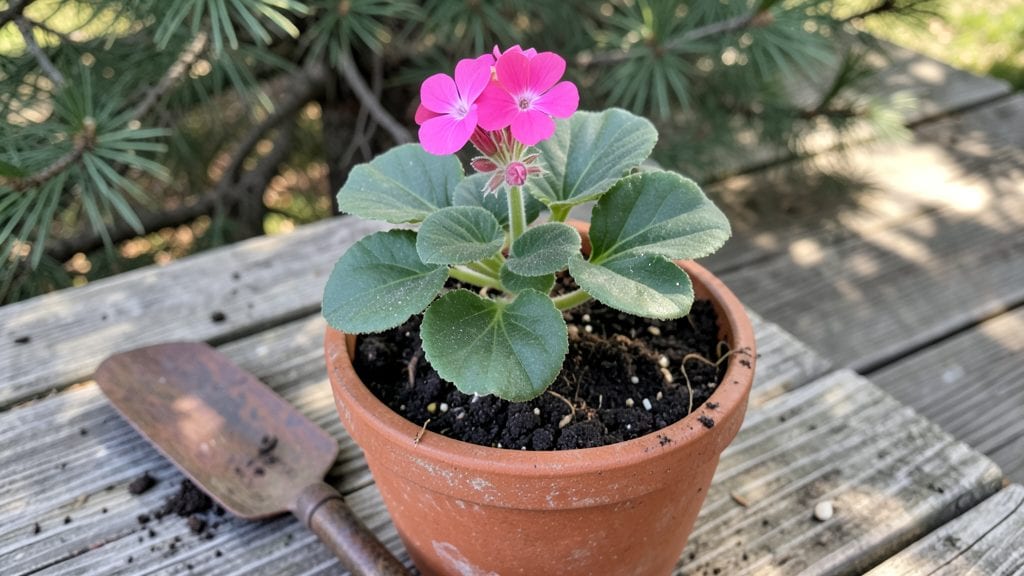
Getting the installation of plants right isn't just about digging a hole—it's about creating the perfect foundation for long-term health. 🌱 Proper spacing prevents root competition and improves airflow, which reduces disease risk.
I've seen firsthand how plants crowded too closely struggle to reach their full potential, while those with room to spread thrive with stronger stems and better yields.
The soil prep step is equally critical: testing pH and amending with compost can mean the difference between a struggling plant and one that flourishes for years.
For example, vegetables like tomatoes need 18-24 inches between plants to prevent blight spread, while perennials often do better with 3-4 feet of space. The key is matching the plant's natural growth habits to your garden layout.
And don't skip the watering step—deep watering after planting helps settle the soil and encourages root expansion into the surrounding area.
💡 In This Article
- Optimal Plant Spacing Rules by Growth Type
- Step-by-Step Soil Preparation Guide for Plant Installation
Optimal plant spacing rules by growth type
Plant spacing isn’t arbitrary—it’s a science that balances three critical factors: sunlight exposure, root competition, and air circulation. Trees, for instance, need 10-20 feet between them because their wide canopies compete aggressively for light.
When you crowd trees too closely, their roots tangle underground, stealing nutrients and water from each other while their branches block sunlight, leading to weak, disease-prone growth.
The rule of thumb is spacing at 1.5-2 times the mature canopy width, which ensures each tree gets its fair share of resources.
Vegetables and herbs have different needs. Leafy greens like lettuce can thrive with just 6-12 inches between plants because they grow quickly and don’t cast heavy shade. But tomatoes, which need 18-24 inches of space, benefit from wider spacing to prevent fungal diseases like blight, which spreads through crowded foliage.
The key here is airflow—plants with poor circulation develop more moisture on their leaves, creating ideal conditions for mold and mildew. Perennials, like lavender or daylilies, often do best with 2-3 feet of space because they spread underground via rhizomes, and overcrowding leads to root rot.
Shrubs and woody perennials require a middle-ground approach. For example, hydrangeas need 3-5 feet between plants to develop strong stems and vibrant blooms. Their roots spread widely but not as aggressively as trees, so spacing too closely results in stunted growth and fewer flowers.
The science behind this is simple: roots compete for water and nutrients, but they also release chemicals called allelochemicals that can inhibit nearby plants. Proper spacing reduces this competition while allowing each plant to establish its own root zone.
What most gardeners overlook is how spacing affects the plant’s structural integrity. Crowded plants develop weak stems because they stretch toward light, making them more susceptible to wind damage. For instance, sunflowers planted 12 inches apart grow sturdy and tall, while those crammed into tight rows often flop over.
This isn’t just about aesthetics—it’s about the plant’s ability to photosynthesize efficiently. Leaves in crowded conditions receive 30-50% less light, reducing sugar production and overall vigor.
Seasonal growth patterns also play a role. Fast-growing annuals, like basil or zucchini, can start close together but need to be thinned as they mature. Conversely, slow-growing perennials, like asparagus, benefit from permanent spacing to avoid disturbing their deep root systems.
The rule here is to match the plant’s growth rate to its final size—think of it like giving each plant its own personal bubble to thrive in.
One final tip: always measure spacing from the plant’s center, not its edge. This ensures roots have room to expand without overlapping. For example, a 3-foot-wide shrub should be planted 3 feet apart, not 3 feet from its outer edge.
This small detail can make the difference between a lush garden and one that struggles to reach its potential. 🌿