
Diseases
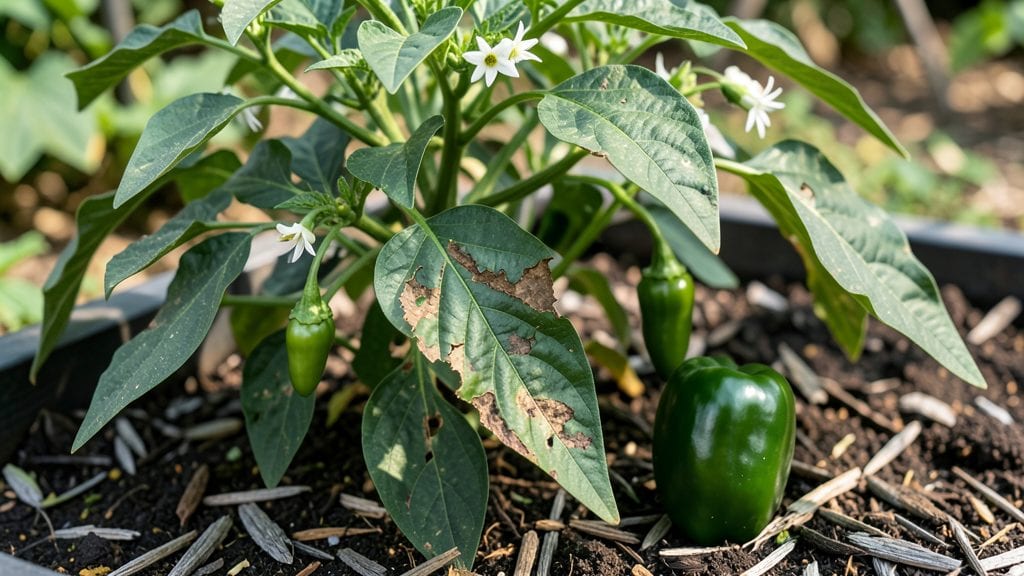
Jalapeño pepper plant diseases can turn your fiery harvest into a sad, spotted mess if you don't catch them early. 🌱 I've lost entire plants to fungal infections, but I've also saved others by spotting the warning signs—yellowing leaves, black spots, or weird growths—before they spread.
The key is knowing what to watch for and acting fast.
Most of these fungal threats thrive in wet, crowded conditions, so proper spacing and airflow are your first line of defense. I learned that the hard way when my greenhouse jalapeños developed powdery mildew after a rainy week.
The good news? Organic fixes like neem oil, copper sprays, and better watering habits work better than you'd think for preventing these issues.
With the right approach, you can keep your plants producing bold, healthy peppers all season. We'll cover the seven most common diseases, how to spot them early, and the simplest treatments—so you can enjoy your harvest instead of fighting for it. Let's get those plants back in fighting shape.
Whether you're growing in pots or the ground, these solutions adapt to your setup. The goal is to keep your jalapeños thriving, not just surviving. Here's how to turn things around before the fungi do.
Root Causes Of Jalapeño Woes
Jalapeño pepper plants, like all living organisms, are vulnerable to diseases when their natural defenses weaken or environmental conditions tip the balance. Understanding why these fungal threats strike is the first step to prevention.
Below, we break down the key culprits—each with its own triggers—and explain the science behind their attacks.
Fungal diseases like Phytophthora blight and root rot thrive in soggy soil because they require excess moisture to spread. Here’s why:
- Oxygen Starvation: Roots need oxygen to function. When soil stays waterlogged, oxygen levels plummet, suffocating roots and weakening the plant’s immune response.
- Pathogen Growth: Fungi like Phytophthora capsici release spores that germinate in waterlogged conditions. These spores latch onto root surfaces, creating entry points for infection.
- Nutrient Leaching: Overwatering flushes away essential nutrients (like nitrogen and potassium), leaving the plant malnourished and more susceptible to stress-related diseases.
Actionable Fix: Use well-draining soil mixes (add perlite or sand) and ensure containers have drainage holes. Water only when the top 1–2 inches of soil are dry.
Diseases such as powdery mildew and early blight flourish in humid, stagnant environments. The science:
- Spores Love Moisture: Fungal spores need high humidity (above 75%) to survive and infect leaves. Stagnant air prevents evaporation, keeping spores active longer.
- Leaf Surface Conditions: Humidity creates a film of water on leaves, which fungi exploit to penetrate plant tissues. Powdery mildew, for example, thrives in temperatures between 60–85°F (15–30°C) with high humidity.
- Poor Airflow: Crowded plants or dense foliage trap moisture, creating microclimates perfect for fungal growth.
Actionable Fix: Space plants 12–18 inches apart, use fans for airflow, and water in the morning to allow foliage to dry quickly.
Weakened plants are easy targets for diseases like bacterial spot or fusarium wilt. Here’s how poor nutrition plays a role:
- Calcium Deficiency: Calcium strengthens cell walls. Without enough (often due to improper pH or overwatering), cells become brittle and vulnerable to fungal invasion.
- Nitrogen-Potassium Imbalance: Too much nitrogen (common in over-fertilized soil) promotes lush, weak growth, while too little potassium reduces disease resistance.
- Micronutrient Gaps: Zinc, magnesium, and boron deficiencies impair plant metabolism, making them more susceptible to stress-related diseases.
Actionable Fix: Test soil pH (aim for 6.0–6.8) and amend with compost or balanced fertilizer (e.g., 10-10-10). Avoid synthetic fertilizers that disrupt micronutrient balance.
Open wounds from pests (like aphids or spider mites) or rough handling create entry points for fungi such as anthracnose. The mechanics:
- Pest Feeding: Insects like thrips inject saliva into plant tissues, breaking down cells and making them prime targets for fungal spores.
- Mechanical Injury: Pruning with dirty tools or hail damage disrupts the epidermis, allowing spores to colonize.
- Secondary Infections: Once a wound exists, spores from nearby infected plants or soil latch on, multiplying rapidly in warm, moist conditions.
Actionable Fix: Inspect plants weekly for pests, sterilize pruners with rubbing alcohol, and avoid overhandling foliage.
Extreme or fluctuating temperatures weaken jalapeños, making them prone to damping-off or gray mold (Botrytis). Why?
- Cold Stress: Temperatures below 50°F (10°C) slow metabolic processes, reducing the plant’s ability to fight pathogens. Botrytis spores, for instance, germinate more easily in cool, damp conditions.
- Heat Shock: Sudden heat waves (above 90°F/32°C) cause cellular damage, while nighttime temperature drops create condensation, ideal for fungal spores.
- Transplant Shock: Moving plants between temperature extremes (e.g., greenhouse to outdoor heat) stresses roots, lowering resistance.
Actionable Fix: Harden off seedlings gradually, use row covers for frost protection, and avoid placing plants in full sun during heatwaves.
💡 Pro Tip: Most fungal diseases exploit multiple weak points. For example, overwatering + high humidity + poor airflow = a perfect storm for powdery mildew. Addressing all risk factors simultaneously is key to prevention!
How to Fix It Naturally
Now that you’ve identified the culprit, it’s time to take action! Jalapeño pepper plants are resilient, and with the right care, you can often save them from fungal threats—without resorting to harsh chemicals.
Below are practical, step-by-step solutions tailored to each disease, plus prevention tips to keep your plants thriving long-term.
**🔥 Cause: Alternaria solani (fungus thriving in warm, humid conditions) 👨🍳 Fix It:
- Remove and Destroy Infected Leaves
- Snip off yellow or brown leaves with
- Bag and discard them in the trash (not compost)—fungal spores can survive in soil.
- Improve Airflow
- Space plants
- Prune nearby foliage to open up the canopy (think "breathe, little plant!").
- Apply Organic Fungicides
- Rotate Crops Next Season
- Avoid planting nightshades (peppers, tomatoes, potatoes) in the
💡 Pro Tip: Water early in the morning so leaves dry quickly—fungi love dampness!
🌡️ Cause: Erysiphe cichoracearum (white, powdery fungus on leaves) 👨🍳 Fix It:
- Wipe Down Leaves
- Use a
- Boost Humidity Control
- Avoid overhead watering—use drip irrigation instead.
- Spray Preventative Mix
- Sulfur dust (follow package rates) can also work for severe cases.
- Prune for Light
- Thin out crowded branches so
🎯 Prevention: Plant resistant varieties like ‘Early Jalapeño’ or ‘Carolina Reaper’ if mildew is recurrent.
🔪 Cause: Xanthomonas campestris (bacteria causing black spots with yellow halos) ⏰ Fix It (Aggressively!):
- Remove and Burn Infected Plants
- Do NOT compost—bacterial spores can survive. Burn or trash the whole plant immediately.
- Sterilize Tools and Soil
- Clean pruners with bleach (1 part bleach to 10 parts water).
- Disinfect containers with hydrogen peroxide (3% solution).
- Use Copper Bactericides
- Spray copper hydroxide (like Kocide) every 5–7 days for 2–3 weeks to prevent spread.
- Adjust Watering
- Water at the base only and avoid wet foliage.
- Drainage is key—ensure pots have holes or raised beds slope for runoff.
💡 Pro Tip: If you’ve had bacterial spot before, soak seeds in hydrogen peroxide (30 minutes) before planting.
**🌡️ Cause: Phytophthora or Pythium (waterlogged roots turning black/mushy) 👨🍳 Fix It:
- Stop Watering Immediately
- Let the soil
- Repot in Fresh, Dry Soil
- Gently
- Improve Drainage
- Avoid saucers—water should drain freely.
- Fungicide Rescue
- Drench roots with
🔥 Prevention: Never let plants sit in water—check soil moisture with your finger before watering!
🚫 Cause: Soil-borne fungi (no cure—focus on prevention!) 👨🍳 Fix It (Preventative Only):
- Solarize the Soil
- Cover soil with clear plastic for 4–6 weeks in hot sun to kill fungal spores.
- Plant Resistant Varieties
- Choose ‘Jalapeño M’ or ‘Caribe’—some hybrids tolerate wilt better.
- Crop Rotation + Biofumigation
- Plant mustard or brassicas (like broccoli) before peppers—they release chemicals that suppress fungi.
- Rotate families (e.g., peppers → beans → tomatoes).
- Healthy Soil = Strong Plants
- Amend soil with compost and compost tea to boost plant immunity.
- Avoid over-fertilizing with nitrogen—it weakens roots.
✨ Final Tip: If your soil is chronically infected, consider container growing with sterile potting mix.
🌱 General Prevention Checklist for All Diseases:
- Space plants for airflow.
- Water at the base (never overhead).
- Rotate crops yearly.
- Clean tools between uses.
- Start with healthy seeds/transplants (buy from reputable nurseries).
With these strategies, your jalapeños will bounce back stronger—and you’ll be the hero of your garden! 🌶️💪
Frequently asked questions about jalapeño pepper plant diseases
What are the first signs my jalapeño plants might have a fungal disease?
Watch for yellowing leaves, black or brown spots on foliage, or a white powdery coating on stems. Early blight often starts with target-shaped lesions on older leaves, while root rot shows as wilting despite moist soil. Check undersides of leaves too—many fungi hide there first!
Can I still save my jalapeños if they already have powdery mildew?
Yes! Start by pruning infected leaves and improving airflow with spaced plants or a small fan. Spray with a milk-water mix (1:9 ratio) or neem oil solution every 7-10 days. Resistant varieties like ‘Carolina Reaper’ handle mildew better if this keeps happening. The key is acting fast before it spreads!
Why does my jalapeño plant keep getting root rot even though I water it carefully?
Root rot thrives when soil stays waterlogged for too long—even with "careful" watering. Check your containers for clogged drainage holes or compacted soil. Repot in a well-draining mix with perlite and water only when the top 1-2 inches feel dry. Fabric pots help prevent this common mistake!
Are there any organic fungicides that actually work for jalapeño diseases?
Copper fungicide (like Bonide) stops early blight and bacterial spot, while neem oil (1 tsp per quart of water) fights powdery mildew. For root rot, hydrogen peroxide (3%) drench helps sterilize soil. Always rotate treatments to prevent resistance—mix copper with baking soda sprays for best results.
How can I prevent diseases in my jalapeños next growing season?
Start with sterile soil (pasteurize garden beds or use fresh potting mix), rotate crops (don't plant peppers in the same spot for 3 years), and space plants 18 inches apart for airflow. Use drip irrigation instead of overhead watering, and remove any plant debris at season's end to break disease cycles. Healthy soil = disease-resistant plants!