
Companion Plants
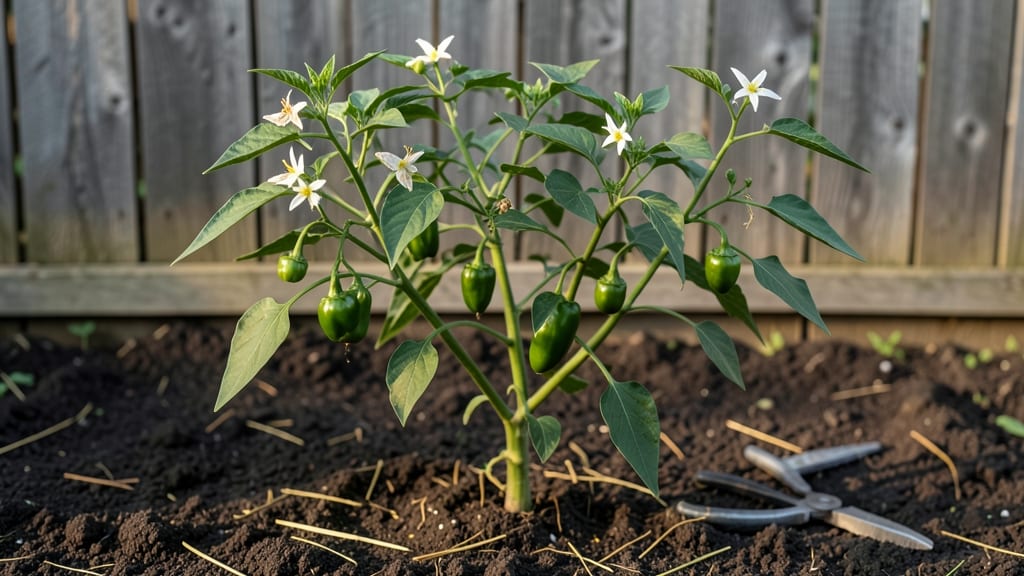
Leggy pepper plants are a frustrating sight after all that careful planting. 🌱 I’ve seen them stretch tall and spindly, barely holding up their own fruit, and it’s usually a fixable issue—not a lost cause.
The problem almost always boils down to light hunger or overcrowding, but the good news is that pruning can turn those weak stems into sturdy bushes in just a few weeks.
Most gardeners miss the simple truth: peppers need bright light to stay compact, and when they don’t get enough, they stretch like they’re reaching for the sky. Overcrowding makes it worse by blocking light at the base.
The fix starts with a sharp pair of pruners and a little strategic cutting—no fancy tools or green thumbs required. You’ll trim back the leggy growth, encourage bushier side branches, and set your plants up for stronger stems and heavier harvests.
Within 10-14 days of proper pruning, you’ll notice new growth sprouting from the sides, and those once-skinny stems will thicken up. The recovery isn’t instant, but the results—plants that stay upright and produce more peppers—are worth the effort.
Plus, you’ll avoid the heartbreak of plants toppling over when they finally bear fruit. Let’s get those peppers back on track.
This method works for both container-grown and in-ground peppers, whether you’re dealing with bell peppers, jalapeños, or any other variety. The key is acting fast once you spot the legginess—before the plants get too far gone.
By the time your neighbors are asking how you’re getting such sturdy plants, you’ll already be enjoying the payoff.
Root Causes Of Stretched Growth
If your pepper plants are reaching for the sky like they’re auditioning for a basketball team, don’t panic—there’s a science behind it! Leggy plants are essentially stretching too fast to reach light, which weakens their stems and reduces fruit production.
Understanding the why behind this growth habit is the first step to fixing it. Below, we break down the most common culprits, backed by plant biology, and what you can do to correct them.
Pepper plants are sun-worshippers—they thrive in full sun (6–8+ hours daily). When they don’t get enough light, they elongate rapidly (a survival tactic to reach sunlight) but become weak, spindly, and prone to falling over.
This is called etiolation, a process where plants prioritize stem growth over leaf and fruit development.
Why it happens:
- Photosynthesis slowdown: Without enough light, plants can’t produce energy efficiently, so they stretch to access more light via taller stems.
- Weak cell walls: Low light reduces lignin production (the compound that strengthens stems), making plants floppy.
- Overcrowding: If plants are too close together, they compete for light, leading to leggy growth.
Actionable fix: Move plants to a sunnier spot (south-facing windowsill or greenhouse) or supplement with grow lights (12–16 hours/day). If outdoors, ensure they’re not shaded by taller plants or structures.
Pepper plants are warm-weather babies and struggle when temperatures dip below 60°F (15°C) or spike above 90°F (32°C). Cooler temps slow photosynthesis, while inconsistent warmth can disrupt growth hormones, causing plants to stretch unnaturally.
Why it happens:
- Chilling injury: Below 50°F (10°C), pepper metabolism shuts down, leading to weak, elongated stems as they “panic” to survive.
- Hormonal imbalance: Gibberellins (growth hormones) overproduce in cool conditions, promoting rapid stem elongation.
- Nighttime cold snaps: A 10°F (5°C) drop at night can trigger leggy growth the next day.
Actionable fix:
- Use row covers or cloches to protect plants from cold drafts.
- Move containers indoors or to a sunroom if nights are chilly.
- Avoid placing plants near drafty windows or AC vents.
While peppers need consistent moisture, soggy soil can backfire by starving roots of oxygen, which slows nutrient uptake and weakens stems. Additionally, overhead watering can cause fungal issues, further stressing the plant.
Why it happens:
- Root suffocation: Waterlogged soil drowns roots, limiting their ability to absorb nutrients like phosphorus and calcium—key for stem strength.
- Fungal infections: Excess moisture encourages damping-off or root rot, which weakens the plant’s structure.
- Nutrient leaching: Overwatering flushes away nitrogen and potassium, essential for compact growth.
Actionable fix:
- Let the top 1–2 inches of soil dry out between waterings.
- Use well-draining pots (with drainage holes) or raised beds.
- Water at the base (not overhead) to prevent fungal spores from spreading.
Leggy peppers often signal a hunger for key nutrients, particularly nitrogen, phosphorus, and potassium. A deficiency in these can force plants to prioritize stem growth over leaves and fruit to maximize light capture.
Why it happens:
| Nutrient | Role in Plant Health | Leggy Growth Signs |
|---|---|---|
| Nitrogen (N) | Builds chlorophyll (for energy) and leafy growth. | Yellowing lower leaves (chlorosis) + weak, thin stems. |
| Phosphorus (P) | Supports root and stem development; critical for energy transfer. | Purple-tinged stems/leaves + slow growth despite legginess. |
| Potassium (K) | Strengthens cell walls and regulates water uptake. | Weak stems that crisp or brown at tips; poor fruit set. |
Actionable fix:
- Test your soil with a DIY kit or send a sample to a lab.
- Add a balanced fertilizer (e.g., 10-10-10) or compost for a slow-release boost.
- Avoid over-fertilizing with nitrogen—this can cause leafy but leggy growth without fruit.
When pepper plants are recently transplanted or root-bound (crowded in small pots), they experience stress that triggers rapid, weak growth as they “recover.” This is especially common with seedlings moved too soon or mature plants in cramped containers.
Why it happens:
- Root damage: Disturbed roots can’t absorb water/nutrients efficiently, causing the plant to stretch for light.
- Circling roots: Roots growing in tight circles (from small pots) strangle themselves, limiting nutrient flow.
- Delayed acclimation: Plants need 1–2 weeks to adjust to a new environment; legginess is a temporary survival tactic.
Actionable fix:
- Give newly transplanted peppers extra shade for 3–5 days to reduce stress.
- Repot root-bound plants into containers 2–3 inches larger with fresh potting mix.
- Use
Fixing Tall, Skinny Pepper Plants
Now that you understand why your pepper plants are stretching too tall and thin, let’s roll up our sleeves and get them back on track! The good news? With a few simple adjustments, you can encourage bushier, healthier growth and even boost fruit production.
Below are practical, step-by-step solutions tailored to the most common causes of leggy pepper plants—plus tips to keep them strong long-term.
If your peppers are reaching for the sky, they’re begging for more light—but not just any light. Poor or inconsistent light (especially in shaded spots or under weak grow lights) triggers that stretchy, weak growth.
How to Fix It:
🔥 Move Them Closer to a Bright Light Source - Outdoors: Place pots or seedlings in a south-facing spot (or west-facing in cooler climates) where they get 6–8 hours of direct sunlight daily.
If your garden is shady, consider a sunny windowsill or a reflective surface (like a white wall or aluminum foil) to bounce extra light onto them. - Indoors: If using grow lights, position them 2–4 inches above the plants and keep them on for 14–16 hours/day.
LED or fluorescent bulbs (5,000–6,500K color temperature) work best for peppers.
👨🍳 Rotate Plants Weekly
- Turn pots a quarter-turn every 3–4 days so all sides get even light exposure. This prevents lopsided growth and ensures uniform bushiness.
🌡️ Prevention Tip:
- Start strong! If growing from seed, use a seedling heat mat (70–80°F) to speed up early growth, then transition to full-spectrum light before transplanting. Weak seedlings = leggy adults.
Pruning isn’t just about trimming—it’s about redirecting energy to where you want it: more branches, more leaves, and more peppers! Over-pruning can stress plants, but selective pruning encourages a stockier, fruitier shape.
How to Fix It:
✂️ Pinch Back Early (For Seedlings & Young Plants) - When plants are 6–12 inches tall, use clean scissors or fingers to pinch off the top 1–2 inches of the main stem.
This forces the plant to branch out instead of growing tall. - Repeat every 2–3 weeks until the plant reaches your desired height (usually 18–24 inches for bush types).
🍅 Prune for Airflow & Fruit Production
- Once flowering, remove suckers (the small shoots that grow in the leaf axils) to prevent overcrowding and improve airflow. This reduces disease risk and helps peppers ripen faster.
- Trim yellow or dead leaves to redirect energy to healthy growth.
🎯 Pro Tip for Tall Varieties:
- If growing tall pepper varieties (like ‘California Wonder’), let them grow 2–3 feet tall before pruning to establish a strong stem. Then, prune the top to encourage side branches.
Leggy plants often suffer from overwatering, underwatering, or nutrient imbalances. Peppers need consistent moisture and balanced nutrients to stay sturdy and productive.
How to Fix It: 💧 Water Deeply but Less Frequently
Overwatering leads to weak stems, while underwatering stresses plants into stretching.
Aim for: - 1–1.5 inches of water per week (check soil moisture 1 inch below the surface). - Water at the base (not leaves) to prevent fungal issues. - Use well-draining soil (mix in perlite or compost) to avoid soggy roots.
📊 Feed with the Right Nutrients - Leggy plants often lack nitrogen (for leaves) or phosphorus (for roots).
Use a balanced fertilizer (like 10-10-10) every 2–3 weeks during the growing season. - Switch to a phosphorus-heavy formula (5-10-10) when flowers appear to encourage blooming. - Avoid over-fertilizing—this can burn roots and make plants even more top-heavy.
✨ Prevention Tip:
- Mulch around plants with straw or grass clippings to retain moisture and regulate soil temperature, reducing stress that leads to legginess.
If your peppers are still struggling to stay upright, companion plants can help! Tall, sturdy plants like basil, marigolds, or nasturtiums can:
- Shade leggy seedlings gently as they grow.
- Repel pests (like aphids) that weaken plants.
- Improve soil health with nitrogen-fixing companions (e.g., beans).
Need a fast reference? Here’s your leggy pepper plant cheat sheet:
| Problem | Quick Fix | Prevention Tip |
|---|---|---|
| Not enough light | Move closer to sun/grow lights | Use reflective surfaces for indoor plants |
| Overcrowded seedlings | Thin to 12–18" apart | Start seeds in individual pots |
| Weak stems from pruning | Prune selectively (not too much!) | Pinch early and often |
| Nutrient deficiency | Fertilize with balanced NPK | Test soil before planting |
| Poor soil drainage | Amend with compost/perlite | Use raised beds or containers |
Now that you’ve got the tools, watch your pepper plants transform from spindly stretchers to bushy, pepper-producing powerhouses! 🌶️💪 With the right light, pruning, and care, you’ll be harvesting plump, flavorful peppers in no time. Happy gardening!
Frequently asked questions about leggy pepper plants
Why do my pepper plants grow so tall and thin?
Leggy growth happens when peppers stretch for light due to insufficient sunlight (less than 6 hours/day) or overcrowding. This process, called etiolation, weakens stems as plants prioritize height over strength. Cold temperatures or poor soil drainage can also trigger this response.
Can I still save leggy pepper plants?
Prune back the tall stems by 1/3 to 1/2 to encourage bushier growth. Move plants to a sunnier spot and ensure they get 6-8 hours of direct light daily. With proper care, you’ll see new side branches forming within 10-14 days.
How do I prune leggy pepper plants correctly?
Use clean scissors to cut just above a leaf node (where leaves meet the stem). For seedlings, pinch off the top 1-2 inches to encourage branching. For mature plants, trim back 1/3 of the height and remove any yellow or diseased leaves to redirect energy to healthy growth.
Will leggy peppers still produce fruit?
Yes, but weaker stems may struggle to support heavy peppers. Prune to strengthen the plant and stake tall varieties if needed. Leggy plants often produce smaller yields at first, but proper care will restore both structure and productivity within a few weeks.
What's the best fertilizer for fixing leggy growth?
Use a balanced fertilizer (10-10-10) to address general deficiencies. For extra strength, switch to a phosphorus-rich formula (5-10-10) when flowers appear. Avoid high-nitrogen fertilizers, which promote leafy but weak growth. Always water thoroughly after fertilizing.