
Pruning
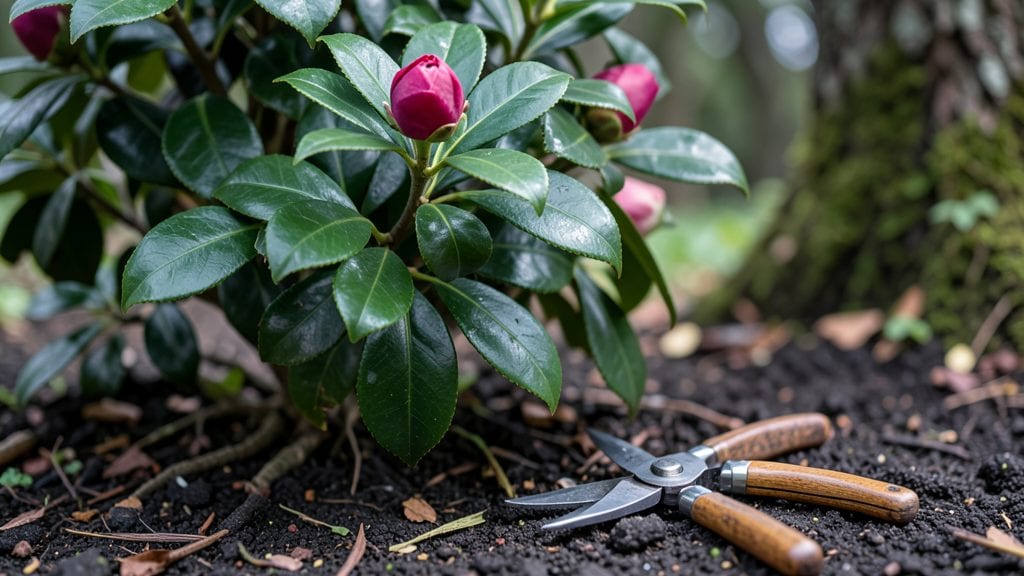
Pruning Japonica plants transforms them from scraggly to showstopping year after year. ✨ I’ve spent years perfecting a simple three-step method that keeps these beauties blooming like clockwork—no guesswork, no regret. The secret lies in timing, sharp cuts, and knowing exactly where to direct new growth.
Most gardeners prune at the wrong time, which means missed blooms or leggy branches. My approach focuses on post-bloom trimming (late spring/early summer) when the plant’s energy shifts from flowers to foliage.
You’ll need just three tools: clean pruners, rubbing alcohol for sterilizing cuts, and a small brush to sweep up debris. Even beginners can nail this—it’s all about the right angle and a little patience.
After pruning, your Japonica will burst with fresh, vibrant green growth within weeks. The branches thicken, the blooms multiply, and the plant takes on that lush, manicured look that makes neighbors stop and stare.
The key is to shape while you trim—open the center for airflow and sunlight, which prevents disease and encourages bigger flowers next season.
This method works for all Japonica varieties, whether you’re dealing with a towering hybrid or a compact patio plant. The same principles apply to Camellias, too—just adjust the intensity based on your plant’s age and health. Let’s get those shears ready!
Natural Growth Triggers Behind Pruning Needs
Your Hibiscus syriacus (commonly called Japonica) may seem like it’s growing wild, but its need for pruning is actually rooted in natural biological processes. Understanding these triggers helps you prune with purpose—not just to tidy up, but to encourage healthier, more vibrant growth.
Let’s break down the key reasons why your Japonica plant demands regular shaping.
When you prune, you’re essentially sending a hormonal signal to your Japonica. Plants produce auxin, a natural growth hormone that regulates cell elongation. Pruning removes the terminal buds (the tips of branches), which are often the primary auxin producers.
Without these buds, auxin levels drop in the remaining plant tissue, prompting nearby lateral buds (side buds) to wake up and grow.
- Actionable insight: Prune just above a leaf node (where leaves and branches meet) to maximize lateral bud activation. Avoid cutting too close to the stem—this can expose the plant to disease.
- Science in action: Studies show that pruning stimulates cytokinins, another hormone that encourages cell division, leading to bushier growth.
Japonica plants, like all woody shrubs, have a finite energy budget. If left unpruned, they’ll focus their resources on vertical growth—sending energy upward to produce taller stems and fewer flowers. Pruning forces the plant to redirect its energy horizontally, producing more branches, leaves, and flowers.
Think of it like a budget: if you cut back on unnecessary spending (like overgrown branches), you free up funds (energy) for what truly matters—blooms and foliage.
- Key takeaway: Heavy pruning in late winter or early spring (before new growth starts) gives the plant time to recover and redirect energy efficiently.
- Warning sign: If your Japonica grows leggy with sparse foliage, it’s a clear signal that energy isn’t being distributed optimally.
Overgrown Japonica plants create the perfect hiding spot for fungal diseases (like powdery mildew) and pests (such as spider mites or aphids). Dense foliage traps moisture, creating a humid microclimate that fungi love. Pruning improves air circulation, reducing humidity levels and making it harder for pathogens to take hold.
| Problem | Pruning Solution |
|---|---|
| Powdery mildew | Remove crowded branches and dead leaves; prune for sunlight exposure. |
| Spider mites | Thin out dense growth to reduce hiding spots and increase air flow. |
| Bacterial blight | Prune infected stems immediately and sterilize tools with rubbing alcohol. |
Pro tip: Always prune during dry conditions to minimize the risk of spreading spores. If you notice yellowing leaves or white powdery residue, prune aggressively to revive your plant’s health.
Japonica plants naturally grow with a central leader (the main upward-growing stem). Without pruning, this leader can become too heavy, leading to weak branch attachment or even structural collapse—especially after heavy blooms or storms. Pruning helps maintain a balanced canopy, preventing the plant from becoming top-heavy.
- How to fix it:
- Remove up to 1/3 of the oldest wood every year to encourage new, sturdy growth.
- Look for crossing or rubbing branches—these create wounds that invite disease. Prune one to open up the plant.
- Visual cue: If your Japonica’s branches sag under the weight of flowers or leaves, it’s time to prune for structural support.
By understanding these natural triggers, you’re not just trimming—you’re guiding your Japonica’s growth for a lusher, healthier, and more resilient plant. Next, we’ll dive into the when and how of pruning to keep your shrub thriving year-round.
Quick Fixes for Japonica Pruning Problems
Even the most experienced gardeners occasionally face challenges when pruning Japonica plants—whether it’s leggy growth, sparse blooms, or unexpected dieback. The good news? Most issues have simple, effective solutions. Below, we’ll break down common problems and the exact steps to restore your plant’s health and beauty.
Cause: Too much shade, infrequent pruning, or weak sunlight exposure. Fix:
Trim back overgrown branches by one-third to encourage bushier growth. Focus on cutting just above a leaf node (the bump where leaves or buds emerge) to promote new shoots.
- 🔪 Step 1: Identify the longest, leggiest stems—these are your top priorities.
- 🍳 Step 2: Use clean, sharp pruners to make a 45-degree angle cut about ¼ inch above the leaf node.
- 🌞 Step 3: Thin out crowded branches to improve airflow and sunlight penetration.
Prevention:
- 💡 Prune early spring or right after blooming to maintain shape.
- 🌡️ Place your Japonica in 6+ hours of sunlight daily—partial shade is fine, but avoid deep shade.
Cause: Over-pruning, nutrient deficiencies, or lack of deadheading. Fix:
If your Japonica is flowering poorly, it may need a balanced approach to pruning and care.
- ✂️ Step 1: Cut back spent blooms immediately (deadheading) to encourage more flowers.
- 🌱 Step 2: Lightly trim only the oldest wood (thicker stems) in late winter to rejuvenate growth.
- 💪 Step 3: Fertilize with a balanced, bloom-boosting formula (10-10-10) in early spring.
Prevention:
- 🎯 Never prune more than ⅓ of the plant at once—this stresses the plant and reduces flowering.
- 🌿 Mulch around the base to retain moisture and nutrients.
Cause: Disease, pests, or winter damage (if not cold-hardy enough). Fix:
If branches turn brown or crispy, act fast to prevent spread.
- 🔍 Step 1: Inspect the branch—if it’s soft, mushy, or oozing, it may be fungal (e.g., powdery mildew). Trim at least 6 inches below the affected area.
- 🐛 Step 2: If pests (like spider mites) are the culprit, wipe leaves with neem oil or spray insecticidal soap.
- ❄️ Step 3: For winter damage, prune only dead wood in early spring—avoid cutting healthy tissue.
Prevention:
- 🌡️ Protect from harsh winters with mulch or burlap wraps in Zone 7 or colder.
- 💡 Space plants properly (3–4 feet apart) to reduce humidity and fungal risks.
Cause: Aggressive growth from over-fertilization or lack of pruning. Fix:
If your Japonica is sprawling wildly, it’s time for a structural prune.
- 🏗️ Step 1: Map out your desired shape—rounded, bushy, or formal?
- ✂️ Step 2: Cut back long, floppy stems to ½ their length, shaping as you go.
- 🌿 Step 3: Use stakes or a trellis to train new growth upward if needed.
Prevention:
- 🎯 Prune twice a year: Once after blooming, once in late summer to control size.
- 💪 Avoid heavy nitrogen fertilizer—it encourages leafy growth over flowers.
With these targeted fixes, your Japonica will bounce back stronger—and with a little routine care, you’ll enjoy year-round lushness without the guesswork. Happy pruning! 🌸✂️
Frequently asked questions about Japonica plant care
When is the best time to prune my Japonica plant?
Prune immediately after flowering in late spring or early summer to encourage new growth. For structural shaping, do a light prune in late winter before buds swell. Avoid heavy pruning in fall—this can stress the plant before winter dormancy.
How much should I trim back my Japonica plant?
Never remove more than one-third of the plant in a single session. For mature plants, aim to cut back 1/3 of the oldest wood annually. Younger plants need minimal pruning—just remove dead or crossing branches.
What tools do I need for proper Japonica pruning?
Use bypass pruners for clean cuts on small branches and loppers for thicker stems. Sterilize tools with rubbing alcohol between cuts to prevent disease spread. A small brush helps clear debris from the base.
Why are my Japonica blooms sparse after pruning?
Over-pruning in winter or cutting too close to buds reduces flowering. Focus on removing only dead wood and crossing branches in late winter. After blooming, prune lightly to maintain shape while encouraging next year's flowers.
Can I prune my Japonica plant in hot weather?
Prune during cool morning hours in summer to minimize stress. Avoid midday heat—it can shock the plant. Water thoroughly before and after pruning to help recovery.