
Companion Plants
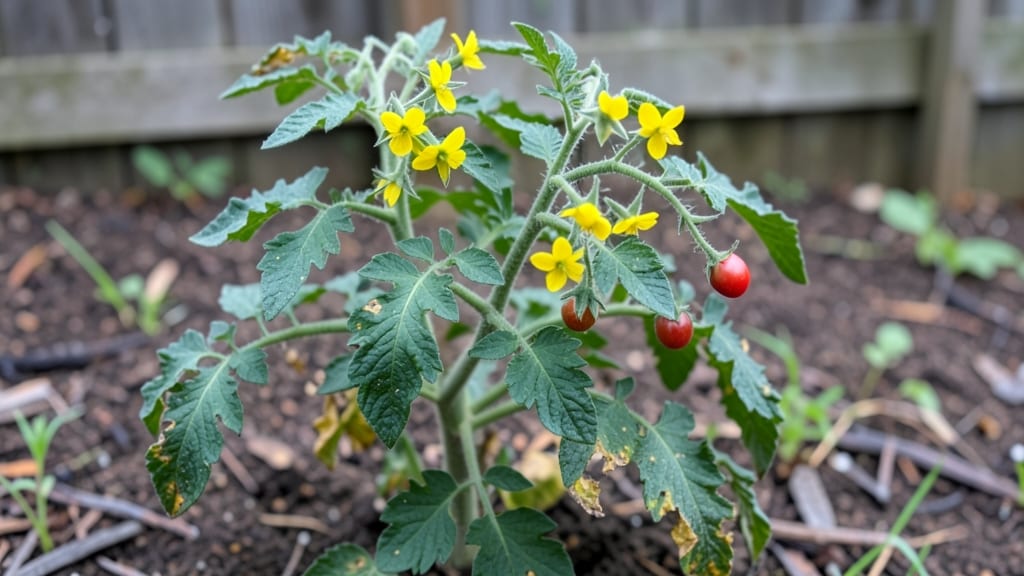
Growing Jersey tomato plants means turning your garden into a sun-drenched flavor factory. 🌞 These compact yet prolific vines pack a punch with their sweet, juicy fruit and remarkable disease resistance—perfect for gardeners who want big rewards with less fuss.
I’ve grown them for three seasons now, and they’ve never disappointed, even in my less-than-perfect soil.
The secret to their success starts with well-draining soil rich in organic matter and a spot where they’ll get at least 6-8 hours of sunlight daily. Jersey tomatoes thrive in containers or in-ground beds, so space isn’t a problem.
Plant them after the last frost when soil temperatures hit 60°F, and watch those vines take off within weeks.
You’ll harvest glossy red tomatoes bursting with flavor starting around 60-70 days after transplanting, and the plants keep producing until frost. Prune regularly to encourage airflow and remove suckers, but don’t overdo it—Jersey tomatoes handle a little neglect better than most varieties.
The key is consistency: water deeply 1-2 times per week, and you’ll avoid cracked fruit and blossom-end rot.
These tomatoes are especially forgiving if you’re new to gardening—they resist common diseases like early blight and fusarium wilt, and their compact size makes them ideal for small spaces. Once you try them, you’ll wonder why you didn’t plant more sooner. Let’s get those vines growing!
📚 In This Guide
- What you need
- Instructions
- Tips and common mistakes
- Wrapping up and next steps
What you need
- ● Jersey tomato seeds or seedlings: 3–5 plants (choose disease-resistant varieties like 'Jersey Tomato' or 'Roma').
- ● Containers or garden bed: Containers: 5-gallon pots or larger (1 per plant, with drainage holes).
- ● Garden bed: Well-draining soil, 6+ inches deep, in full sun (6–8+ hours/day).
- ● High-quality potting mix: 1 bag (sterile, organic blend with compost or aged manure).
- ● Fertilizer: Balanced 10-10-10 or tomato-specific fertilizer (follow package rates).
- ○ Slow-release granules (optional but recommended for containers).
- ● Stakes or cages: 6–8 ft tall (1 per plant; use bamboo, metal, or wooden stakes).
- ● Pruning shears: Sharp, clean pair (for trimming and harvesting).
- ● Watering can or hose with nozzle: 1–2 gallons capacity (drip irrigation works too!).
- ● Mulch: Straw or shredded leaves (2–3 inches; retains moisture and suppresses weeds).
- ● pH test kit: Ensures soil pH is 6.0–6.8 (tomatoes thrive in slightly acidic soil).
- ● Compost or worm castings: Boosts soil fertility (1 cup per plant at planting).
- ● Epsom salt: 1 tbsp per plant monthly (adds magnesium for vibrant growth).
- ● Row covers or shade cloth: Protects young plants from pests or harsh sun (30–50% shade).
- ● Trellis or string system: For indeterminate varieties (if staking feels tricky).
- ● Glove and knee pads: Because gardening is hard work! 😉
Step-by-Step guide to growing thriving Jersey tomato plants
Here’s how to cultivate Jersey tomatoes—sweet, robust vines that reward patience with flavorful harvests.
🌱 Step 1: Choose the Right Location and Prepare the Soil
Jersey tomatoes thrive in full sun—at least 8 hours daily—so pick a south-facing spot with no afternoon shade. I always test the soil first: dig a 6-inch hole, fill it with water, and wait 30 minutes. If it drains slowly, amend with 2 inches of compost to improve aeration and fertility.
Tomatoes hate soggy roots, so avoid low-lying areas where water pools. If your soil is heavy clay, mix in 1 part perlite per 3 parts soil to prevent compaction. The goal is loose, crumbly soil that holds moisture without suffocating roots—Jersey varieties are particularly sensitive to root rot.
🪴 Step 2: Plant Seedlings at the Correct Depth and Spacing
Wait until nighttime temperatures stay above 55°F before transplanting. Bury seedlings deeper than usual—up to the first set of true leaves. This encourages stronger root growth below the soil line, which Jersey tomatoes need to support their heavy fruit. Space plants 24 inches apart in rows 36 inches apart for airflow and disease prevention.
Gently loosen the root ball before planting to encourage roots to spread outward. If you’re using cages or stakes, install them now—Jersey vines grow 6-8 feet tall, so sturdy support is non-negotiable. Water deeply after planting to settle the soil and eliminate air pockets around roots.
☀️ Step 3: Water Deeply and Maintain Consistent Moisture
Jersey tomatoes need 1-1.5 inches of water weekly, but consistency is key. I water deeply 2-3 times per week rather than daily shallow watering, which prevents blossom-end rot—a common issue with this variety. Water at the base, avoiding leaves to reduce fungal diseases like early blight.
Check soil moisture by sticking your finger 1 inch deep. If it feels dry, water again. Mulch with 2-3 inches of straw or shredded leaves to retain moisture and suppress weeds. This is especially important in hot climates, where Jersey tomatoes can stress and drop blossoms if they dry out.
✂️ Step 4: Prune and Support for Maximum Yield
Pinch off suckers—the small shoots that form in the leaf axils—when they’re 2 inches long to direct energy into fruit production. Jersey tomatoes benefit from aggressive pruning, so remove all but the main stem and a few strong side branches. This improves airflow and reduces disease risk.
Tie vines to stakes or weave through cages every 2-3 weeks as they grow. The goal is to keep the plant upright and prevent sprawling, which can lead to cracked fruit. When clusters form, remove the smallest blossom in each group to encourage larger tomatoes—Jersey varieties respond well to this technique.
🌿 Step 5: Fertilize and Monitor for Pests/Diseases
Feed plants with a balanced 10-10-10 fertilizer every 4-6 weeks starting when flowers appear. Jersey tomatoes are heavy feeders, so I also add a handful of compost tea monthly to boost microbial activity. Avoid high-nitrogen fertilizers—they promote leafy growth at the expense of fruit.
Watch for common pests like hornworms and aphids. Handpick hornworms (they’re easy to spot) and spray aphid-infested leaves with soapy water. For fungal diseases, apply a copper fungicide at the first sign of spots. Jersey tomatoes are prone to cracking if soil moisture fluctuates, so keep watering consistent—especially during fruit set.
Tips & tricks for thriving Jersey tomato plants
Real talk: Jersey tomatoes demand attention to detail, but these tricks will help you avoid the most common pitfalls and maximize your harvest.
The Sunlight Secret: That 8-hour daily sun requirement isn't just about brightness—it's about intensity. South-facing spots get the most direct rays, but if your garden has afternoon shade, consider a temporary shade cloth during peak summer hours (1-4pm) to prevent sunburn on the fruit. Jersey tomatoes develop their signature sweetness when exposed to full, unobstructed sunlight, so don't skimp on placement.
Soil Test Timing: The 30-minute drainage test in Step 1 is your best defense against root rot. If water remains after 30 minutes, you need to amend more aggressively. I've seen Jersey plants fail within weeks when planted in poorly draining soil—don't make my mistake. For clay-heavy soils, mix in perlite at a 1:3 ratio before planting, not after. The goal is soil that feels like a damp sponge, not wet cement.
Pruning Precision: When you're pinching off those 2-inch suckers in Step 4, aim for clean cuts just above the leaf axil. I use sharp pruning shears dipped in rubbing alcohol to prevent disease transmission between cuts. And here's what nobody tells you—the first pruning is critical. If you wait until suckers reach 3 inches, you're already diverting energy away from fruit production. Think of it as giving your plant a haircut to keep it focused on growing tomatoes, not foliage.
Watering Wisdom: The 1-1.5 inches weekly guideline is perfect, but timing matters just as much. Water in the early morning (before 9am) so foliage dries completely by nightfall, preventing fungal spores from taking hold. I've seen Jersey tomatoes develop early blight within days when watered at night. And here's a pro move: use a rain gauge or tuna can to measure your water output—your hose nozzle's "light spray" setting might only deliver 0.5 inches when you think it's 1.5.
Pro Tips for Jersey Tomato Plants
- Real talk: Jersey tomatoes demand attention to detail, but these tricks will help you avoid the most common pitfalls and maximize your harvest.
- The Sunlight Secret: That 8-hour daily sun requirement isn't just about brightness—it's about intensity.
- Soil Test Timing: The 30-minute drainage test in Step 1 is your best defense against root rot.
Frequently asked questions
Got questions about growing Jersey tomato plants?
You’re not alone—these sun-loving vines are packed with flavor but come with a few quirks. Here are answers to the most common queries to help you cultivate a bountiful harvest with confidence!
How long does it take for Jersey tomato plants to produce fruit?
Jersey tomatoes typically take 60–80 days from transplanting to harvest, depending on your climate and growing conditions. Start seeds indoors 6–8 weeks before the last frost for an earlier yield. In warmer regions, you might see fruit as early as 50 days if planted directly in the ground!
When is the best time to plant Jersey tomato seeds?
For optimal growth, plant seeds indoors 6–8 weeks before the last frost or directly outdoors after soil temps reach 55°F (13°C). Jersey tomatoes thrive in warm weather, so avoid planting too early—they’re frost-sensitive! If your growing season is short, opt for fast-maturing varieties or use containers for mobility.
Can I grow Jersey tomatoes in containers? If so, what size pot do I need?
Jersey tomatoes do well in containers, but choose a pot at least 12–18 inches deep with drainage holes. A 5-gallon bucket or larger works best for a single plant, as they need room for roots and support. Use a lightweight potting mix and stake or cage the plant early to prevent toppling.
What are the most common pests or diseases affecting Jersey tomato plants, and how do I prevent them?
Jersey tomatoes are prone to aphids, hornworms, and blight. To prevent pests, use row covers early in the season and introduce beneficial insects like ladybugs. For disease prevention, space plants 18–24 inches apart for airflow, avoid overhead watering, and rotate crops yearly. If issues arise, remove affected leaves and treat with neem oil or copper fungicide.
Are there companion plants that help Jersey tomato plants thrive?
Yes! Plant basil, marigolds, or onions nearby to repel pests and improve flavor. Avoid planting with fennel or brussels sprouts, as they can stunt growth. Companion planting with herbs like thyme or dill also deters harmful insects while enhancing your garden’s productivity.
Wrapping up and next steps
Growing Jersey tomato plants is a rewarding journey that brings vibrant flavors and lush greenery to your garden—or even your windowsill! 🌱 With the right companion plants, sunlight, and care, you’ll enjoy sweet, juicy tomatoes all season long.
Whether you’re a seasoned gardener or just starting out, these sun-loving vines are a fantastic addition to any space.
Now that you’re armed with the how-to and what-to-know, it’s time to roll up your sleeves and get planting! Start small—even a single Jersey tomato plant can make a big difference. Next up: Watch your garden transform as these vines climb, bloom, and burst with flavor. Happy growing! 🍅✨