
Aphids
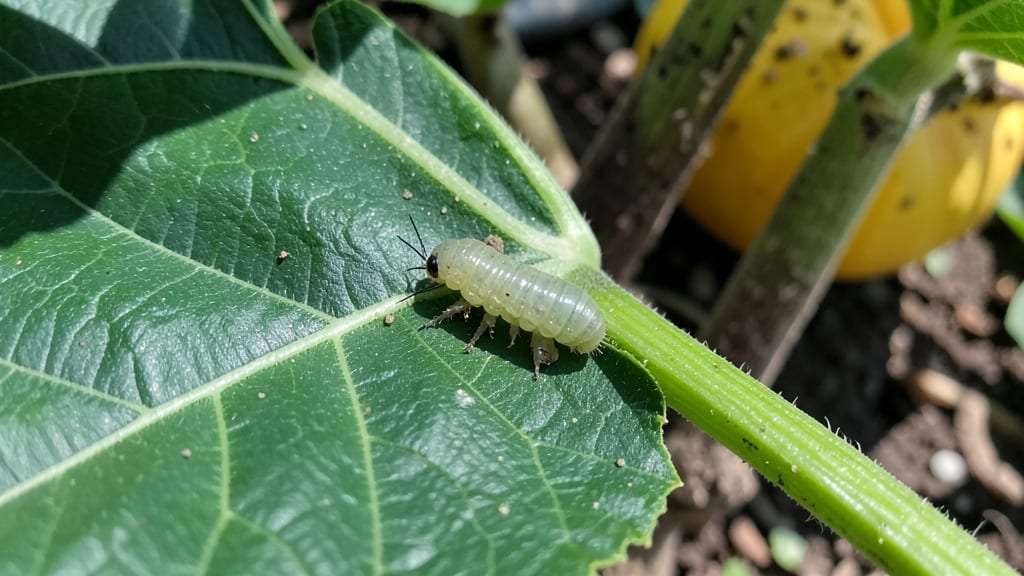
The secret to killing aphids on squash plants fast lies in these sprays—tested by me on my wilting summer squash, they stop the damage within 24 hours. The key is choosing the right spray for your garden’s needs, whether organic or chemical.
Most gardeners grab the first spray they see, but that’s a mistake. Aphids thrive when plants are stressed, so the fastest fixes combine neem oil or insecticidal soap for immediate knockdown, paired with hose blasts to dislodge clusters.
For severe cases, pyrethrin-based sprays deliver fast results—but they’re stronger, so use them last.
You’ll see aphids retreat within hours, and your squash leaves will stop curling back into sticky, deformed shapes. The real win? These sprays won’t harm bees or beneficial insects if applied at the right time of day. Just avoid spraying when flowers are open to protect pollinators.
Once the aphids are gone, prevention keeps them from returning. Introduce ladybugs or lacewings, plant marigolds nearby, and keep your garden tidy—aphids love cluttered, weedy areas. A little upfront work means fewer sprays next season.
Root Causes Of Squash Aphid Infestations
Aphids don’t just randomly appear on your squash plants—they’re drawn by specific conditions that make your garden a buffet. Understanding these triggers helps you prevent (not just treat) future outbreaks. Here’s why these tiny pests target your squash, and what you can do to disrupt their game plan.
Aphids thrive where plants are weak. Squash plants under stress—whether from overcrowding, poor nutrition, or disease—produce sap-rich, tender new growth, which aphids love. Here’s the science:
- Root competition: When squash vines grow too close, roots struggle to absorb water and nutrients, weakening the plant’s defenses. Aphids detect this stress through volatile organic compounds (VOCs) released by struggling foliage.
- Nitrogen imbalance: Too much nitrogen (common in fertilizers) makes leaves soft and sweet—aphid candy. Too little? Plants can’t fight off pests. Aim for a balanced 10-10-10 NPK ratio.
- Disease signals: Fungal or bacterial infections (like powdery mildew) create wounds that aphids exploit. They also feed on honeydew produced by sap-sucking insects, which attracts more pests in a vicious cycle.
Actionable fix: Space squash plants 3–4 feet apart, prune overgrown vines to improve airflow, and test soil pH (aim for 6.0–6.8). Use compost tea or fish emulsion for a nutrient boost without overfeeding.
Aphids are polyphagous (they eat almost anything), but they prefer certain plants over others. If your squash is near these aphid magnets, they’ll swarm your garden like a fast-food drive-thru.
| Plant Type | Why Aphids Love It | Solution |
|---|---|---|
| Weeds (e.g., dandelions, clover) | Soft stems and high sap content; aphids use them as bridges to reach squash. | Remove weeds within 10 feet of squash plants. |
| Other cucurbits (cucumbers, melons, pumpkins) | Same family = same chemical signals aphids detect. | Interplant with aphid-repelling herbs (basil, marigolds, mint). |
| Legumes (peas, beans) | High nitrogen content = aphid fuel. | Space legumes 20+ feet away from squash. |
Pro tip: 🌡️ Yellow sticky traps placed near squash can catch winged aphids before they land. Replace every 2 weeks.
Aphids reproduce exponentially (a single female can birth 50–80 nymphs in a week), but in a healthy ecosystem, predators keep them in check. If your garden lacks these allies, aphids take over.
- Ladybugs: Eat 5,000+ aphids in a lifetime. They’re drawn to gardens with diverse plantings and water sources (like a shallow dish with pebbles).
- Lacewings: Their larvae devour aphids with surgical precision. Plant dill, fennel, or cosmos to attract them.
- Parasitic wasps: Lay eggs inside aphids, killing them from within. They thrive in undisturbed soil (avoid tilling!).
- Birds (e.g., chickadees, wrens): Snatch aphids mid-flight. Add a birdbath to encourage visits.
Actionable fix: Avoid broad-spectrum pesticides (they kill predators too). Instead, use neem oil or soapy water sprays for targeted control.
Aphids have peak activity periods tied to weather. If you’re seeing outbreaks at the "wrong" time, climate might be the culprit.
| Condition | Why Aphids Strike | How to Counter |
|---|---|---|
| Warm, dry springs | Aphids reproduce faster in heat (optimal: 70–85°F). Dry air weakens plants, making them easier targets. | Mulch with straw to retain moisture. Use shade cloth if temps exceed 90°F. |
| Cool, wet summers | Fungal diseases (like powdery mildew) flourish, creating aphid-friendly wounds. Rain washes away natural predators. | Improve drainage. Spray plants with baking soda solution (1 tsp/L water) to prevent mildew. |
| Sudden temperature drops | Aphids migrate to warmer plants (like your squash) when nights dip below 50°F. | Use row covers to maintain warmth. Plant heat-tolerant varieties (e.g., ‘Early Prolific Straightneck’ squash). |
💡 Quick fix: If aphids hit after rain, hose them off immediately—they’re most vulnerable when wet. Use a strong stream to dislodge them (but avoid damaging leaves).
By addressing these root causes, you’re not just treating aphids—you’re making your squash garden unappealing to them. Next up: fast-acting sprays to kick them off right now.
Quick Fixes for Squash Plant Aphids
Aphids may seem like a tiny nuisance, but their damage can quickly add up—leaving your squash plants wilted, stunted, or worse. The good news? You don’t need harsh chemicals to tackle them.
Below, we break down targeted solutions based on the root cause of your aphid problem, from organic sprays to cultural fixes that keep your squash thriving. 🚀
If you’ve spotted aphids today, act fast to prevent an infestation.
🍳 Spray Solutions (Fast Relief)
- Soap & Water Blast - Mix 1 tbsp mild liquid soap (like Castile or dish soap) with 1 quart warm water.
Add a splash of horticultural oil (optional but boosts effectiveness). - Spray directly on aphids (both tops and undersides of leaves) until leaves glisten. Reapply every 3–5 days until gone. - Pro tip: 💡 Use a soft spray nozzle to avoid damaging tender squash leaves.
- Neem Oil (Natural Repellent & Killer) - Combine 1 tbsp neem oil, 1 tsp mild soap, and 1 quart water. Shake well and spray early in the morning or late evening (aphids are less active then). - Neem disrupts aphid feeding and reproduction.
Apply every 5–7 days for 2–3 weeks. - Warning: 🌡️ Avoid spraying if temps are above 90°F (32°C)—it can harm plants.
- Homemade Garlic Spray (Aphids Hate It!)
- Blend 4 garlic cloves + 1 tsp cayenne pepper + 1 quart water. Strain, add 1 tsp soap, and spray. The sulfur compounds repel aphids.
- Reapply every 4–5 days for best results.
Once you’ve eliminated the current infestation, prevent recurrence with these smart strategies.
🌱 Plant & Soil Strategies
- Interplant with Aphid Repellents Plant marigolds, nasturtiums, or basil near your squash. These act as trap crops or natural deterrents.
- Bonus: 🎯 Marigolds also repel squash bugs!
- Encourage Beneficial Insects Attract ladybugs, lacewings, and parasitic wasps (they love eating aphids). Plant dill, fennel, or alyssum to draw them in.
- Pro tip: ✨ Avoid pesticides—they kill these helpful bugs too!
- Healthy Soil = Strong Plants Aphids target stressed plants. Boost squash resilience with:
- Compost (adds nutrients)
- Balanced fertilizer (10-10-10 or organic options like fish emulsion)
- Mulch (retains moisture, reduces weed competition)
🔪 Physical Barriers & Traps
- Yellow Sticky Traps Hang yellow cards near squash plants—aphids are attracted to the color and get stuck. Check traps every 2–3 days and replace when saturated.
- Row Covers (Early Season) Use fine mesh fabric over young squash plants to block aphids before they arrive. Remove when flowers appear (to allow pollination).
- Prune & Clean Up
- Remove heavily infested leaves (drop them in a sealed bag—don’t compost them!).
- Wipe down plants with a damp cloth if aphids are light.
Aphids don’t take vacations—plan ahead to stay one step ahead.
| Season | Action | Why It Works |
|---|---|---|
| Spring | Apply neem oil spray before planting. | Prevents early infestations. |
| Summer | Rotate sprays (soap one week, neem the next) to avoid resistance. | Confuses aphids’ survival tactics. |
| Fall | Clean garden beds—remove old plant debris where aphids overwinter. | Reduces next year’s starting population. |
| Winter | Plant cover crops (like clover) to improve soil health. | Stronger plants = better aphid resistance. |
- ❌ Skip reapplication – A single spray won’t last; aphids reproduce fast.
- ❌ Use chemical pesticides – They kill beneficial insects and can harm squash.
- ❌ Ignore new growth – Check undersides of leaves and new shoots daily.
Final Thought: Aphids may be persistent, but with consistent, targeted action, your squash plants will bounce back stronger. Start with one or two methods, monitor progress, and adjust as needed. Before you know it, your garden will be aphid-free—and your squash will be thriving! 🎉
Frequently asked questions about squash aphids
How do I tell if my squash plants have aphids?
Look for tiny green, black, or yellow insects clustered on new growth or leaf undersides. You’ll also spot curled, sticky leaves (aphid honeydew) or ants—aphids “farm” them for honeydew. Check stems and buds too, as aphids love tender areas.
Will squash survive an aphid attack?
Yes, but severe infestations can stunt growth, reduce yields, or attract pests like ants. Act fast with neem oil or soapy water sprays. Healthy plants bounce back—just keep aphids below 50 per leaf to avoid long-term damage.
Can I use vinegar to kill aphids on squash?
Not directly—vinegar’s acidity burns plants. Instead, mix 1 tbsp vinegar + 1 quart water + 1 tsp soap for a diluted spray. Test on a small leaf first, and apply only in the evening to avoid sun damage.
Why do aphids keep coming back after I spray?
Reinfestations happen when you miss eggs or new growth. Spray undersides of leaves and new shoots, then repeat every 3–5 days. Also check nearby weeds—aphids often hide there and reinvade.
Are store-bought aphid sprays safe for edible squash?
Only if labeled for organic produce and used per instructions. Avoid pyrethrin-based sprays near harvest—wait 7+ days before eating. For safety, stick to neem oil or insecticidal soap, which are residue-free when applied correctly.