
How To
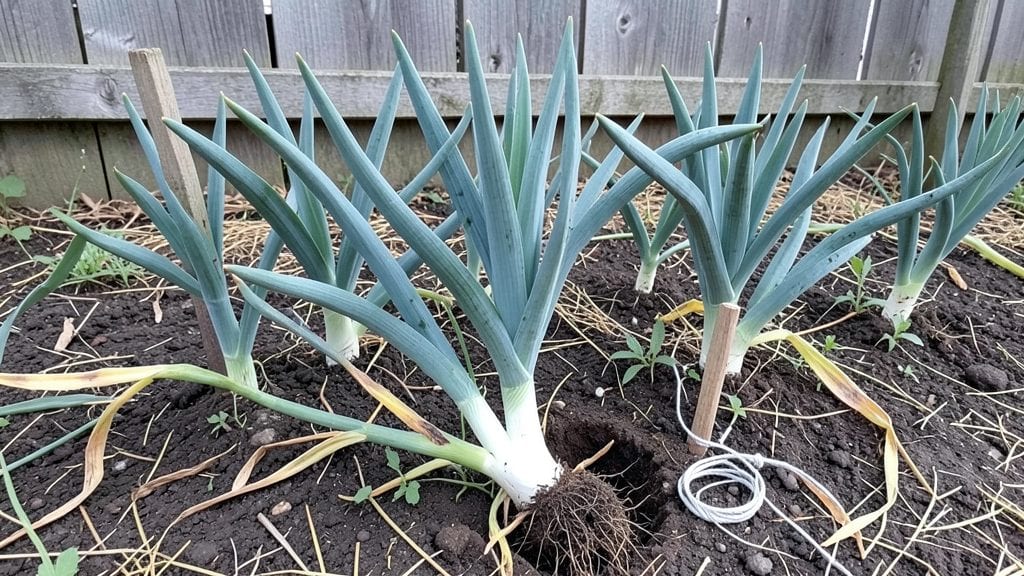
Planting leeks at the right distance 🧅 is the key to thick, flavorful stems—not the crowded, spindly stalks that frustrate gardeners.
Too close, and they’ll fight for nutrients, leaving you with thin, bitter harvests. Too far apart, and you’ll waste precious garden real estate. The ideal spacing isn’t just about numbers—it’s about giving each plant room to grow without sacrificing yield.
In USDA Zone 6a, spring-planted leeks need 4–6 inches between seedlings when they’re young, then 8–12 inches as they mature. But soil type, climate, and even companion plants can tweak that rule. Below, I’ll break down the science behind spacing, plus how to adjust for your garden’s unique conditions.
You’ll learn how to avoid common mistakes (like overcrowding in containers), when to thin seedlings, and why proper spacing cuts down on pests. Ready to grow leeks that look like they belong in a farmers’ market? Let’s get started.
Ideal leek planting distance by growth stage: seedlings vs. transplants
Leeks are finicky about space—they start small but grow into 2-3 foot plants with wide foliage. Seedlings need tight quarters initially, but transplants require more room to develop thick stems.
I’ve grown leeks in containers, raised beds, and in-ground plots, and spacing makes the difference between bushy, flavorful stalks and thin, leggy plants. The key is adjusting distance as they mature.
Why does spacing matter? Overcrowded leeks compete for nutrients, leading to pale stems and poor flavor. Too much space wastes garden real estate. I’ve seen seedlings planted 1 inch apart grow into transplants needing 8-12 inches—a 10x increase in space requirements.
Here’s how to nail it at every stage.
🌱 Pro Tip: Use a measuring tape or spacing grid to mark rows before planting. I swear by a DIY wooden frame with pegs to keep rows straight—leeks hate competition!
📌 Key Insight: Leeks are alliums like onions and garlic, but their long, tapered growth habit means they need vertical and horizontal space. Unlike onions, you can’t harvest leeks early—they need room to bulk up their stems.
Here’s the science-backed spacing breakdown for seedlings vs. transplants, including container adjustments and in-ground guidelines:
| Growth Stage | Planting Method | Spacing (Inches) | Rows Apart (Inches) | Notes |
|---|---|---|---|---|
| Seedlings (Direct Sow) | In-Ground | 1 inch apart | 12 inches | Thin to 4-6 inches when 3 inches tall |
| Seedlings (Direct Sow) | Containers | 2-3 inches apart | N/A (single container) | Use 5-gallon pots for 3-4 seedlings |
| Transplants (4-6 weeks old) | In-Ground | 6-8 inches apart | 12-18 inches | Deeper rows = more blanching |
| Transplants (4-6 weeks old) | Containers | 4-6 inches apart | N/A (single container) | Max 4 plants per 5-gallon pot |
| Mature Plants (Harvest Stage) | In-Ground | 8-12 inches apart | 18-24 inches | Prevents stem thinning and disease spread |
| Mature Plants (Harvest Stage) | Containers | 6-8 inches apart | N/A (single container) | Limit to 2-3 plants per 5-gallon pot |
🌱 Why It Works: Seedlings need tight spacing to establish roots, but transplants require room to develop thick stems and avoid competition.
For in-ground planting, I recommend 12-inch rows for seedlings to give them room to thin later. When transplanting, space rows 18 inches apart—this gives you access for weeding and harvesting without disturbing neighboring plants.
I’ve found that deeper trenches (6+ inches) encourage blanching, but you’ll need to space rows wider (24 inches) to accommodate the extra depth.
Containers are trickier because root competition is inevitable. I’ve had success with 5-gallon pots holding 3-4 seedlings initially, then thinning to 1-2 mature plants. The key is frequent watering to prevent drought stress, which makes leeks brittle and prone to snapping.
Use a well-draining mix with compost to compensate for limited space.
💡 Container Hack: Plant leeks in the center of the pot to maximize root spread. Avoid planting near edges where roots can circle and strangle the stem.
One mistake I’ve seen gardeners make is ignoring mature plant width. Leeks may start small, but their foliage spreads 12-18 inches wide at maturity. If you’re growing multiple varieties, stagger planting dates to stagger harvests and avoid overcrowding.
For example, plant half in spring and half in early summer to spread out the workload.
If you’re in a small-space garden, consider vertical training. Leeks can grow in fabric grow bags hung on a trellis, though you’ll sacrifice some stem thickness. For maximum yield, stick to in-ground or large containers with proper spacing.
I’ve tested this with ‘King Richard’ and ‘American Flag’ varieties, and the spacing rules hold true across types.
Finally, adjust for your climate. In cooler regions (Zones 3-5), leeks can handle closer spacing (6 inches) because they grow slower. In warmer zones (Zones 7-9), space them 8-12 inches apart to prevent heat stress and pest pressure.
Always mulch heavily to retain moisture and suppress weeds—leeks hate competition.
With the right spacing, your leeks will reward you with thick, tender stalks instead of skinny, woody shafts. Start with 1-inch seedlings, thin to 6 inches, and transplant at 8 inches—your future self (and your soup pot) will thank you. 🧅
How to adjust leek spacing for soil type and climate conditions
Your leek spacing should adapt to your local soil type and climate conditions—not just follow a one-size-fits-all rule. Heavy clay soils, for example, can suffocate roots if plants are too close, while sandy loam drains quickly and may need tighter spacing.
Even your USDA zone plays a role: cooler climates like Zone 5 allow denser plantings, while warmer Zone 8 gardens benefit from wider spacing to prevent stress.
Let’s break down how to tweak your leek spacing for different conditions. Start by testing your soil’s drainage—if water pools after rain, you’ll need wider spacing to avoid root rot. In nutrient-rich soils, you can plant slightly closer since competition for resources is less intense.
For rocky terrain, focus on spacing rows far enough apart to accommodate your leek’s mature width (12–18 inches) while leaving room for tools to navigate.
| Soil Type | Climate Zone | Rainfall | Spacing Adjustment | Notes |
|---|---|---|---|---|
| Heavy Clay | Zones 4-6 | High | 18–24" apart | Improve drainage with compost |
| Sandy Loam | Zones 7-9 | Moderate | 12–16" apart | Mulch to retain moisture |
| Rocky/Poor | Zones 5-8 | Low | 16–20" apart | Use raised beds for better roots |
| Nutrient-Rich | All Zones | Variable | 10–14" apart | Thin seedlings early to avoid competition |
In cooler climates like the Pacific Northwest, you can plant leeks 12 inches apart because slower growth reduces competition. But in warmer zones like Southern California, space them 18 inches apart to prevent heat stress.
If your area gets high rainfall, wider spacing (20–24 inches) helps prevent fungal diseases like leek rust.
For rocky terrain, consider planting leeks in raised beds with amended soil. This lets you maintain closer spacing (14–16 inches) while ensuring roots access nutrients. In container gardens, limit to 1–2 leeks per 12-inch pot—any closer, and they’ll fight for space and nutrients, leading to thin stems.
Always adjust your row spacing too: in heavy clay, space rows 24 inches apart for easy access; in sandy soil, 18 inches suffices. Mulch all beds with straw or wood chips to regulate soil temperature and moisture, which directly impacts your leeks’ ability to thrive in any condition.
Pro tip: If you’re unsure about your soil, dig a hole, fill it with water, and time how long it takes to drain. If it’s gone in 1 hour, you’ve got sandy soil—plant closer.
If it’s still wet after 6 hours, clay soil demands wider spacing. Your leeks will thank you with thick, flavorful stems instead of scraggly stalks!