
Companion Plants
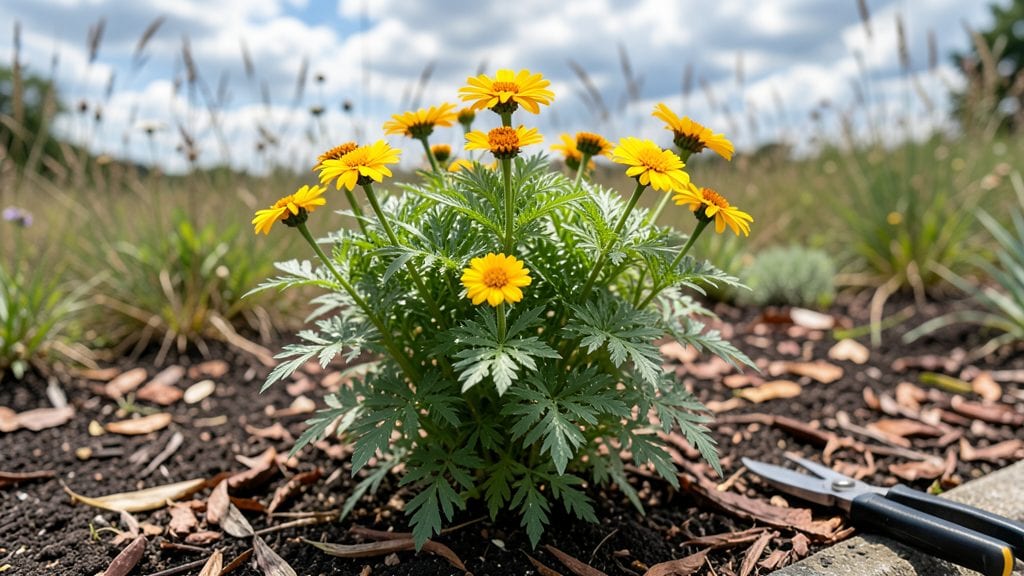
Growing lemon marigold plants transforms your garden into a fragrant, pest-free paradise. 🌿 These bright yellow bloomers thrive where others struggle, repelling nematodes and aphids while attracting pollinators. I've planted them every spring for five years now—they're my secret weapon against garden pests without chemicals.
The key to their success lies in full sun and well-draining soil. Lemon marigolds tolerate poor soil better than most plants, but they reward you with vibrant blooms when given at least six hours of sunlight daily.
Start seeds indoors 6-8 weeks before your last frost or sow directly after soil warms to 60°F—just scratch seeds into the soil, as they need light to germinate.
Once established, they're low-maintenance but love regular watering during dry spells. The lemony scent alone deters pests, but their real magic happens when planted near tomatoes, peppers, or roses—they keep those plants healthier and more productive.
By midsummer, you'll have a cloud of cheerful blooms that double as a natural pest barrier.
For best results, deadhead spent blooms to encourage more flowers and divide clumps every few years. They self-seed aggressively, so you might find new volunteers popping up where you least expect them. The more you grow, the more your garden will thank you with fewer pests and more vibrant color.
📚 In This Guide
- What you need
- Instructions
- Tips and common mistakes
- Wrapping up and next steps
What you need
- ● Lemon marigold seeds – 1 packet (50-100 seeds) or 3-5 plants (if buying seedlings). Look for Tagetes lemmonii for the true "lemon" scent.
- ● Well-draining potting mix – 1-2 gallons for seed starting, or native soil amended with compost for outdoor planting.
- ● Containers or seed trays – 4-6" deep with drainage holes (or a seed-starting mat for germination).
- ○ Organic compost or fertilizer – Balanced 10-10-10 or fish emulsion (optional but recommended for faster growth).
- ● Watering can or spray bottle – Fine mist setting for seedlings to avoid disturbing soil.
- ● Gloves – Garden or nitrile to protect from soil and thorns.
- ● Trowel or transplanting spade – Small-handled for delicate seedlings.
- ● Pruners or scissors – Clean, sharp for trimming dead foliage or harvesting.
- ○ Mulch (optional) – Straw or shredded leaves to retain moisture and suppress weeds.
- ○ Pest control (optional) – Neem oil or insecticidal soap if aphids or whiteflies appear.
- ● ✅ Sunlight: Full sun (6+ hours daily)—lemon marigolds thrive in bright, open spaces.
- ● ✅ Warmth: Soil temp of 60°F+ for germination (wait until after the last frost for outdoor planting).
- ● ✅ Space: 12-18" apart in garden beds or 1 gallon pot per plant for containers.
- ○ ✅ Companion plants (optional): Pair with tomatoes, peppers, or roses for natural pest control!
Step-by-Step guide to planting lemon marigolds for pest control
Here’s how to establish these fragrant, golden blooms for a natural garden defense.
🌱 Step 1: Choose the Right Location and Prepare the Soil
Lemon marigolds thrive in full sun, so pick a spot receiving at least 6-8 hours of direct sunlight daily. They tolerate poor soil but grow best in well-draining, slightly acidic soil with a pH between 6.0 and 7.0. Before planting, loosen the top 6 inches of soil with a garden fork to improve aeration and root penetration.
Work in a handful of compost (if available) to enrich the soil without over-fertilizing—marigolds are sensitive to excess nitrogen, which promotes leafy growth at the expense of flowers. If your soil is heavy clay, mix in 1 part sand to 3 parts soil to prevent waterlogging, which can cause root rot.
🪴 Step 2: Plant Seeds or Transplants at the Correct Depth
For seeds, sow them ¼ inch deep in rows spaced 12-18 inches apart. Lemon marigolds germinate best in warm soil (70-80°F), so wait until after the last frost or use a seedling heat mat to speed up germination. Thin seedlings to 12 inches apart once they develop 2-3 true leaves—crowding reduces airflow and invites fungal diseases.
If using transplants, dig holes twice as wide as the root ball but no deeper. Gently remove the plant from its container, tease apart any circling roots, and place it in the hole so the top of the root ball sits level with the soil surface. Press the soil firmly around the roots to eliminate air pockets, then water deeply to settle everything in place.
💧 Step 3: Water Consistently and Monitor for Pests
Keep the soil evenly moist but not soggy during the first 2-3 weeks after planting. Lemon marigolds have shallow roots, so water 1-2 inches deep every 2-3 days (adjust based on rainfall). Once established, they’re drought-tolerant but produce more blooms with 1 inch of water per week during dry spells.
Watch for aphids or spider mites on the undersides of leaves—early signs include sticky residue or fine webbing. Spray affected areas with neem oil (if available) or a soapy water solution (1 tsp mild dish soap per quart of water). Marigolds release limonene, a natural pest repellent, but young plants may still need protection until fully rooted.
✂️ Step 4: Prune and Deadhead for Continuous Blooms
Pinch back the tips of young plants when they reach 6 inches tall to encourage bushier growth. Remove spent blooms regularly by snipping the stem just above a set of leaves—this redirects energy into producing more flowers instead of seed pods. Deadheading also keeps the plant looking tidy and extends the blooming season well into fall.
If marigolds grow too leggy, trim back one-third of the plant in early summer. This rejuvenates growth and often results in a second flush of vibrant blooms. Avoid heavy pruning late in the season, as the plant needs energy to harden off for winter if grown as an annual.
☀️ Step 5: Maintain Through the Growing Season
Apply a balanced, slow-release fertilizer (like 10-10-10) once in early summer if your soil is nutrient-poor. Over-fertilizing leads to weak stems and fewer flowers. Mulch around the base with 2-3 inches of straw or shredded leaves to retain moisture, suppress weeds, and regulate soil temperature.
Lemon marigolds self-seed readily, so you’ll likely find volunteers popping up next spring. If you want to control their spread, deadhead flowers before they set seed. For a continuous display, stagger plantings every 2-3 weeks—this ensures blooms from early summer through frost.
Tips & tricks for perfect lemon marigold planting
These pro strategies will help you cultivate thriving lemon marigolds that maximize their pest-repelling power while keeping your garden looking vibrant.
Sunlight Strategy: While 6-8 hours of direct sunlight is ideal, lemon marigolds can tolerate partial shade—just expect fewer blooms. In hot climates, provide afternoon shade to prevent leaf scorch, especially during summer's peak intensity. I've found they perform best when planted near the southern or western edges of garden beds where they naturally receive the most sunlight.
Soil Prep Secret: The 6-inch deep soil loosening in Step 1 is crucial, but don't stop there. For heavy clay soils, work in 1 part perlite to 3 parts soil instead of sand—it improves drainage without compacting. I've seen marigolds struggle with root rot in clay when planted without this amendment, even with proper watering.
Germination Hack: When aiming for that 70-80°F soil temperature, consider using clear plastic domes over seed trays. They create a mini greenhouse effect that speeds germination by 3-4 days. Just remove them once sprouts appear to prevent fungal issues. This is especially helpful if you're planting early in the season when soil warms slowly.
Pest Prevention Proactive: The neem oil recommendation works wonders, but I've found an even better early defense: plant lemon marigolds alongside basil (optional). The combined scent confuses pests more effectively. For spider mites specifically, spray undersides with water first to knock them off before applying neem oil—this doubles your control effectiveness.
Pro Tips for Lemon Marigold Plants
- These pro strategies will help you cultivate thriving lemon marigolds that maximize their pest-repelling power while keeping your garden looking vibrant.
- Sunlight Strategy: While 6-8 hours of direct sunlight is ideal, lemon marigolds can tolerate partial shade—just expect fewer blooms.
- Soil Prep Secret: The 6-inch deep soil loosening in Step 1 is crucial, but don't stop there.
Frequently asked questions
How fast do lemon marigold plants grow?
Lemon marigolds are fast growers! From seed, expect sprouts in 7–14 days, and mature plants (ready for blooms) in 6–8 weeks under ideal conditions (full sun, warm soil, and consistent moisture). For quicker results, opt for nursery starts—they’ll flower in 4–6 weeks!
Do lemon marigolds really repel pests, or is it just folklore?
Not folklore—science-backed! These plants emit a natural limonene scent that deters aphids, mosquitoes, nematodes, and even rabbits. Studies show they’re especially effective against whiteflies and spider mites. Plant them near veggies (like tomatoes or peppers) or borders for maximum protection.
When is the best time to plant lemon marigolds?
Timing matters! Start seeds indoors 4–6 weeks before your last frost date (or direct-sow after soil warms to 60°F+). For year-round blooms in mild climates, plant spring and fall. Avoid planting in hot summer months—they’ll bolt (go to seed) faster.
Can I grow lemon marigolds in containers?
They thrive in 5–6 inch pots with drainage. Use a lightweight potting mix and place containers in full sun. Just ensure pots are large enough to prevent root crowding (space 6–12 inches apart). Perfect for balconies, patios, or even hanging baskets!
Why are my lemon marigold leaves turning yellow?
Yellow leaves usually signal overwatering or poor drainage. Let soil dry slightly between waterings, and ensure pots/containers have drainage holes. Other culprits: nutrient deficiency (try a balanced fertilizer), or fungal issues (space plants for airflow). Prune affected leaves to encourage new growth.
Are lemon marigolds edible? Can I use them like regular marigolds?
Yes! Their petals and leaves are edible (mild citrus flavor) and safe for cooking. Use them like regular marigolds: garnish dishes, infuse oils, or steep petals in tea. Note: Avoid if allergic to ragweed (they’re in the same family). Harvest blooms early in the morning for peak flavor.
How do I overwinter lemon marigolds in cold climates?
Lemon marigolds are annuals but can self-seed. In cold zones, let plants die back naturally, then mulch heavily in fall. Some hardy varieties (like ‘Lemon Gem’) may survive mild winters—protect with row covers or move pots indoors. Save seeds for next year’s garden!
Wrapping up and next steps
Growing lemon marigold plants is a game-changer for any garden—whether you're chasing natural pest control, vibrant blooms, or a fragrant addition to your space! 🌿 These sun-loving powerhouses are easy to cultivate, packed with benefits, and perfect for both beginners and seasoned gardeners.
Now that you’re armed with the how-to and answers to common questions, it’s time to plant, nurture, and enjoy the magic of lemon marigolds.
Ready to take the next step? Start by picking your spot—whether it’s a sunny border, container, or companion bed—and watch your garden thrive with these cheerful, hardworking plants! 🌞