Companion Plants
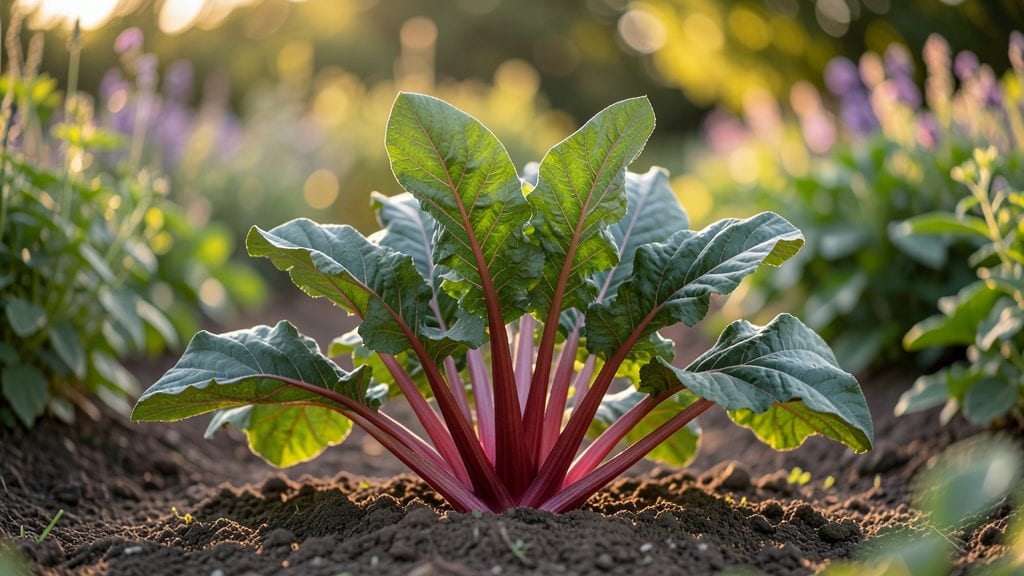
Managing mature rhubarb plants 🌱 is the key to unlocking years of abundant harvests—but many gardeners miss the critical window to revive their yields.
Your rhubarb plants may look healthy now, but without proper division, their harvest potential will shrink year after year. That’s because over time, the center crown becomes congested, leaving the outer stalks underperforming.
The good news? A simple spring division can breathe new life into your patch, doubling—or even tripling—your next season’s bounty.
Here’s what you need to know about recognizing maturity signs, timing the perfect division, and the step-by-step care that keeps your rhubarb thriving for decades. We’ll cover everything from soil prep to pest prevention, so you can enjoy those tart, vibrant stalks every May and June.
Whether you’re in Zone 6 or beyond, these proven strategies will help you maximize your harvest while avoiding the most common mistakes that stifle growth. Let’s get your rhubarb back on track for explosive, long-term productivity.

Best time to divide mature rhubarb plants for maximum growth
If your mature rhubarb plants have been in the same spot for 4-5 years, their harvest yields may be declining. Dividing them at the right time can double production and prevent disease buildup.
The optimal division window depends on your USDA zone and local climate, but timing directly impacts root recovery and next year’s growth.
Most gardeners divide rhubarb in early spring (March-April) or early fall (September-October). Spring division gives roots 6-8 weeks to establish before summer heat, while fall division allows roots to settle before winter dormancy.
For Zone 6 and colder regions, spring is the safer choice to avoid frost damage to newly transplanted roots.
Age matters too—3-5 year-old plants divide best when fully dormant in early spring, while older plants (6+ years) may need extra care to recover. Younger plants have more vigorous roots, making them ideal for division during active growth phases.
Here’s how seasonal timing affects your division success:
| Timing | Best For | Climate Zones | Root Recovery | Harvest Impact |
|---|---|---|---|---|
| Early Spring (March-April) | Younger plants (3-5 years) | Zones 3-7 | 6-8 weeks before summer | Full harvest next year |
| Early Fall (September-October) | Older plants (6+ years) | Zones 5-9 | 4-6 weeks before frost | Reduced harvest first year |
| Late Fall (November) | Emergency divisions only | Zones 8-10 | High frost risk | Minimal growth next year |
| Summer (June-August) | Avoid entirely | All zones | Heat stress kills roots | No harvest recovery |
For Zone 6 gardeners, I recommend late March to early April as the sweet spot. By then, the soil temperature has warmed to 45°F+, encouraging root growth without the stress of late frost threats.
If you’re in Zone 5 or colder, wait until after the last frost date (typically mid-April) to ensure roots aren’t shocked.
In warmer climates (Zones 8-10), early fall division works well if you can protect roots with mulch. Aim to divide 6-8 weeks before your first hard frost—this gives roots time to reestablish before dormancy.
For example, in Zone 9, September 15th is ideal, while Zone 10 can extend to October 1st.
Never divide rhubarb in summer—the intense heat and drought stress will kill your newly separated plants. Even if your garden feels busy in June, resist the urge to split clumps until cooler months. The root system needs moist, cool soil to regenerate properly.
Watch for seasonal cues like new leaf growth in spring or leaf yellowing in fall to confirm the best time.
If your rhubarb is bolting (sending up flower stalks), it’s a sign the plant is overcrowded and needs dividing—do this immediately after harvest in early summer to prevent seed production, which weakens stalks.
Pro tip: If you’re unsure about timing, mark your division dates on a garden calendar. For Zone 6, I schedule mine for March 20th and September 15th as my default dates.
Adjust based on your local frost dates and soil conditions—a simple soil thermometer ($10 at garden centers) can confirm when roots are ready to divide.
Dividing at the right time isn’t just about harvest size—it’s about plant longevity. A well-timed division can extend your rhubarb’s productive life by 5-10 years, saving you from replanting.
With the right seasonal cues and a little patience, your mature rhubarb will reward you with bigger, healthier stalks for decades.
How to divide rhubarb correctly: step-by-step guide with common mistakes
Dividing mature rhubarb plants every 3-4 years is the secret to keeping them productive. When done right, you’ll get thicker stalks, more vigorous growth, and fewer pests.
The key? Timing, clean cuts, and proper root handling. I’ve divided dozens of rhubarb plants, and I’ve learned which mistakes can turn a good harvest into a flop.
Start by selecting a healthy, established plant with at least 3-4 strong stalks. The best time to divide is in early spring, just as new shoots emerge but before the plant bolts.
This gives roots time to establish before summer heat sets in. If you miss spring, fall division is possible—but only in mild climates where frost isn’t imminent.
⚠️
Mature rhubarb plants divided in late spring or summer struggle to recover before winter. Roots need 6-8 weeks to regrow before frost hits. In Zone 5 or colder, avoid fall division entirely—wait for spring. Overlooking this means weak crowns and bolting next year.
First, water your plant 24 hours before dividing to soften the soil and reduce root damage. Use a sharp spade or garden fork to dig around the outer edge of the crown, lifting the entire plant gently.
Shake off excess soil to reveal the root system. Look for 3-5 healthy buds at the center—this is your mother crown, which you’ll keep.
Next, separate the daughter crowns (the smaller offshoots) using your hands or a clean knife. Aim for 2-3 inch roots on each division—more roots mean faster establishment.
Discard any crowns with rotted roots or pale, mushy centers, as these won’t recover. Label your divisions if replanting in the same area to avoid confusion later.
When replanting, dig holes twice as wide as the roots but only 2 inches deep. Rhubarb roots rot if buried too deep. Space divisions 3 feet apart in rows 4 feet apart to allow airflow and reduce disease.
Mix compost into the soil and water deeply to settle the roots. Mulch with 2-3 inches of straw to retain moisture and protect from weeds.
After replanting, avoid harvesting for at least 6 weeks—let the roots focus on establishing. Water deeply once a week unless rain falls. In the first year, expect 50% fewer stalks than mature plants, but yields will rebound by year two.
The key to long-term success? Divide before stalks thin and always keep the mother crown healthy.