
Pests
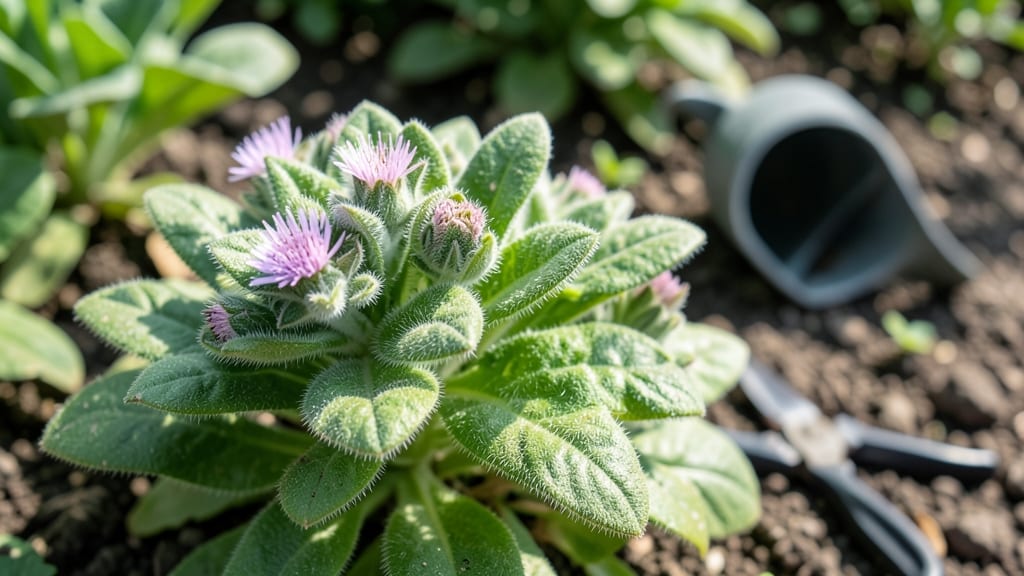
My mosquito fighter plants transformed my summer evenings from swatting marathons to peaceful outdoor dinners. 🌿 The right mix of fragrant herbs and flowers doesn't just repel pests—it creates a garden that smells like a spa retreat while keeping bugs at bay.
I learned this the hard way after my first backyard BBQ turned into a mosquito buffet, but now my patio stays buzz-free from dawn till dusk.
You don’t need a jungle of plants—just a few strategic choices like citronella grass, lavender, and marigolds work wonders. These powerhouses thrive in sunny spots and require minimal fuss: water when the top inch of soil feels dry, trim back leggy growth, and watch them multiply.
The secret is planting them in clusters near seating areas or along property edges where mosquitoes lurk. Even small containers on a deck can make a difference.
What you’ll gain is more than just pest control—it’s a garden that doubles as a natural air freshener. The scent of crushed lavender leaves or crushed marigold petals lingers in the air, while the plants themselves attract beneficial insects that further disrupt mosquito life cycles.
By late summer, my neighbors started asking for cuttings, and I happily shared the recipe for a bug-free zone.
Works equally well in raised beds, containers, or in-ground plantings, so adapt it to your space. The best part? These plants keep working long after the blooms fade—just keep them healthy, and they’ll keep those pests at bay season after season.
📚 In This Guide
- What you need
- Instructions
- Tips and common mistakes
- Wrapping up and next steps
What you need
- ● Mosquito-repelling plants: Choose 3–5 of these top picks (seeds or nursery starts): Citronella grass (Cymbopogon nardus) – 3–5 plants
- ● Lemongrass (Cymbopogon citratus) – 3–5 plants
- ● Lavender (Lavandula) – 5–10 plants (for stronger scent)
- ● Marigolds (Tagetes) – 10–15 plants (bright colors deter pests)
- ● Basil (Ocimum basilicum) – 2–4 plants (edible + repellent!)
- ● Catnip (Nepeta cataria) – 3–5 plants (mosquitoes hate it!)
- ● Potting soil: 1–2 bags (well-draining, organic mix for containers or garden beds)
- ○ Containers (optional for patios/balconies): 5–10 medium-sized pots (10–12" diameter) with drainage holes
- ● OR a raised garden bed (4'x4' minimum for optimal coverage)
- ● Watering can or hose: With a gentle spray nozzle for seedlings
- ○ Fertilizer (optional but helpful): Balanced liquid fertilizer (10-10-10 or 20-20-20)
- ● OR organic compost (for slow-release nutrients)
- ● Gloves: 1 pair (to protect hands while handling soil/plants)
- ● Trowel or small shovel: For transplanting seedlings or dividing plants
- ● Pruning shears: To trim dead leaves and encourage bushier growth
- ● Sunlight access: 6+ hours of direct sunlight daily (most repellent plants thrive in full sun)
- ○ Mulch (optional): Straw or shredded leaves to retain moisture and suppress weeds
- ○ Label markers (optional): To track plant varieties and care notes
Step-by-Step guide to planting mosquito-repelling powerhouses
Here's how to create a natural, fragrant barrier that keeps mosquitoes away—no chemicals needed.
🌱 Step 1: Choose the Right Mosquito-Repelling Plants
For maximum impact, plant citronella, lavender, lemongrass, marigolds, and basil—the top five mosquito fighters. Citronella and lemongrass release oils that mosquitoes hate, while lavender and basil add beauty and fragrance. Marigolds deter pests with their strong scent. I like to mix these in clusters of 3-5 plants per group for a strong, multi-layered effect.
If space is tight, prioritize citronella and lemongrass—they’re the most potent. Place them near seating areas, patios, or entryways where mosquitoes are most active. Avoid planting them too close to each other; give them 1-2 feet of space to grow strong and healthy.
🪴 Step 2: Prepare the Planting Site
Mosquito-repelling plants thrive in full sun to partial shade, with at least 6 hours of sunlight daily. Choose a spot with well-draining soil—mosquito plants hate soggy roots. If your soil is heavy clay, mix in 1-2 inches of compost to improve drainage. I dig a hole twice as wide as the root ball but no deeper, so the plant sits at the same level it was in the nursery pot.
For containers, use pots with drainage holes and at least 12 inches deep—lemongrass and citronella need room to grow. Fill with a mix of potting soil and perlite (half and half) to keep roots aerated. Water lightly before planting to settle the soil and remove air pockets.
💧 Step 3: Plant and Water for Strong Growth
Remove the plant from its container and loosen the roots gently if they’re circling. Place it in the hole, then backfill with soil, pressing lightly to remove air gaps. Water deeply right after planting—this helps roots establish quickly. You’ll know it’s enough when water drains out the bottom of the pot or seeps into the surrounding soil.
Mulch around the base with 2-3 inches of organic mulch (like shredded bark or straw) to retain moisture and suppress weeds. Keep the mulch 2 inches away from the plant stem to prevent rot. Water every 2-3 days until the plants are established, then taper to once a week once they’re growing well.
☀️ Step 4: Maintain for Maximum Pest-Repelling Power
Prune regularly to encourage bushy growth—mosquitoes are less likely to land on dense foliage. Cut back 1/3 of the plant in early spring and again after flowering to keep it vigorous. Harvest lemongrass stems as needed (they regrow quickly), and pinch back basil tips to promote more leaves.
Fertilize lightly every 4-6 weeks with a balanced, water-soluble fertilizer (like 10-10-10). Too much fertilizer can make plants soft and attractive to pests, so follow the package instructions carefully. Watch for yellowing leaves—this usually means overwatering or too much fertilizer.
⏰ Step 5: Time Your Planting for Year-Round Protection
Plant citronella and lemongrass in early spring after the last frost, as they’re tender perennials in cooler climates. Lavender and marigolds can handle light frosts, so plant them 4-6 weeks before the first expected frost for fall blooms. Basil is an annual, so sow seeds after all danger of frost has passed in spring.
For winter protection, bring potted plants indoors before temperatures drop below 40°F. Place them near a sunny window or under grow lights. If you live in a warm climate, these plants can provide year-round mosquito control with minimal care.
Tips & tricks for perfect mosquito-repelling plant arrangements
These simple strategies will help your mosquito-fighting garden thrive and create a fragrant barrier that actually works.
Plant Placement Strategy: In Step 1, when arranging your clusters of 3-5 plants, position them strategically around seating areas or entry points. Mosquitoes are most active at dusk and dawn, so place citronella and lemongrass near these high-traffic zones where you'll notice their effects most. I've found that creating a perimeter around patios works best—the plants form a natural barrier that mosquitoes avoid flying through.
Soil Preparation Secret: The well-draining soil requirement in Step 2 is non-negotiable. If you're working with heavy clay soil, don't just add compost—mix in 1 part perlite to 3 parts soil for even better drainage. This prevents waterlogged roots, which can actually attract mosquitoes. I've seen plants with poor drainage become more appealing to pests than helpful repellents!
Watering Wisdom: That deep watering after planting in Step 3 is crucial, but don't overdo it. The soil should be moist but not soggy—you want water to drain completely within 15-20 minutes. For containers, I check moisture by sticking my finger 1-2 inches into the soil; if it's dry, it's time to water. Overwatering is the #1 reason these plants fail to thrive.
Year-Round Planning: When timing your planting in Step 5, consider creating a staggered planting schedule. Start with hardy marigolds and lavender 4-6 weeks before your first frost date, then add basil after the last frost. This gives you continuous protection throughout the growing season. In warmer climates, you can even extend this to year-round coverage by rotating plants indoors during winter months.
Pro Tips for Mosquito Fighter Plant
- These simple strategies will help your mosquito-fighting garden thrive and create a fragrant barrier that actually works.
- Plant Placement Strategy: In Step 1, when arranging your clusters of 3-5 plants, position them strategically around seating areas or entry points.
- Soil Preparation Secret: The well-draining soil requirement in Step 2 is non-negotiable.
Frequently asked questions
How quickly do mosquito fighter plants start working?
Most mosquito-repelling plants, like citronella, lavender, or basil, begin emitting their natural oils within 1–2 weeks of planting. However, for maximum effectiveness, give them at least 4–6 weeks to fully establish and release their aromatic compounds. Pro tip: Place them near seating areas or entry points for faster results!
Will these plants actually keep mosquitoes away, or do I still need bug spray?
While mosquito fighter plants significantly reduce mosquito activity, they’re not 100% foolproof—especially in high-mosquito areas. Use them as a preventive layer alongside other methods like fans (mosquitoes hate wind!), citronella candles, or EPA-approved repellents for extra protection. Think of them as your garden’s first line of defense!
Which mosquito fighter plants are the easiest to grow for beginners?
If you’re new to gardening, start with low-maintenance options like:
- Basil – Thrives in pots, loves sunlight, and doubles as a kitchen herb.
- Lavender – Drought-resistant and fragrant; perfect for borders or containers.
- Marigolds – Bright, cheerful, and toxic to mosquitoes (and many pests!).
Do I need to water mosquito fighter plants differently?
Most mosquito-repelling plants prefer consistent moisture but hate soggy roots. Water deeply 2–3 times per week (adjust for climate) and ensure pots have drainage holes. Overwatering can dilute their aromatic oils, reducing their pest-fighting power. Morning watering is ideal—it gives plants time to dry before evening mosquito activity peaks!
What if my plants stop repelling mosquitoes after a while?
If your plants seem less effective, they might be overcrowded, underfed, or stressed. Try these fixes:
- Trim dead leaves to encourage new growth.
- Fertilize lightly with a balanced, organic fertilizer (like fish emulsion).
- Rotate or replant every 1–2 years—old plants lose potency.
Wrapping up and next steps
Ready to transform your garden into a mosquito-free haven? 🌿 The mosquito fighter plant isn’t just a natural solution—it’s a game-changer for outdoor comfort and eco-friendly pest control. From citronella grass to lavender, these powerhouses are easy to grow and packed with science-backed benefits.
Start small—plant one or two varieties in your yard or patio this weekend. Watch as your space becomes a refreshing retreat, without the buzzing nuisance! 🚀 Next step: Pick your favorite plant, grab some soil, and let nature do the rest.