
Pests and Diseases
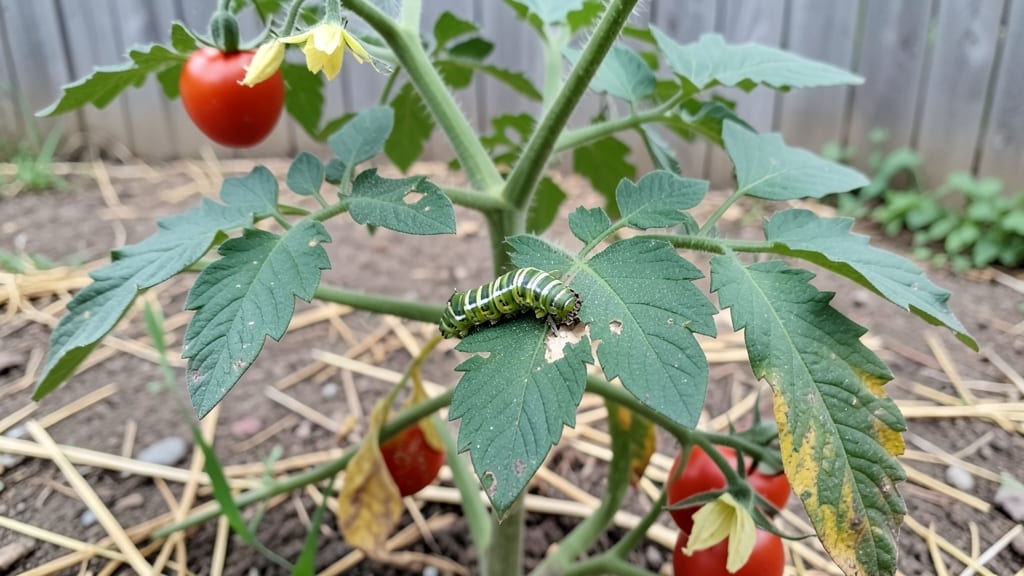
Tomato plant pest control starts with a single, stubborn fact: those leaf-eating caterpillars and sap-sucking bugs won’t wait for you to notice them. I’ve lost entire plants to hornworms that appeared overnight, and the key to stopping them is catching the problem before it turns your tomatoes into a skeleton.
The good news? You don’t need fancy chemicals—just a few targeted sprays, smart barriers, and a little early-morning detective work.
Most tomato pests thrive because we ignore them until they’re obvious. Aphids cluster on new growth, hornworms hide under leaves, and whiteflies take off when you disturb the plant. My trick?
A quick 10-minute inspection every morning with a flashlight—spraying at the first sign of trouble saves plants, not after they’re half-eaten. Neem oil, insecticidal soap, and floating row covers are the three tools that handle 90% of problems before they spread.
By the time you’re done, your plants will look like they’re in a protected fortress—healthy, vigorous, and pest-free. You’ll spot fewer holes in leaves, no wilting from sap-suckers, and tomatoes that stay clean and blemish-free from harvest to table.
The best part? These methods work whether you’re growing in the ground, raised beds, or containers.
No more panic when you see chewed leaves or sticky residue on your plants. Instead, you’ll have a foolproof system that keeps pests at bay without harming your harvest. Let’s get those tomatoes protected before the bugs even think about showing up.
Root Causes Of Tomato Plant Attacks
Tomato plants are a magnet for pests—not because they’re weak, but because they’re nutrient-rich, tender, and thriving in the right conditions. Understanding why pests target your tomatoes is the first step to stopping them before they strike. Let’s break down the science behind the chaos.
Healthy tomato plants have natural defenses—thick leaves, bitter-tasting compounds, and even sticky resins that deter insects. But when these defenses weaken, pests move in like vultures at a buffet. Here’s why your plants might be sending out a "help wanted" sign:
- Nutrient Deficiencies: Plants low in nitrogen (💡 look for yellowing leaves) or phosphorus (💡 stunted growth) can’t produce enough protective chemicals like alkaloids or terpenes. Pests like aphids and spider mites love stressed plants because they’re easier to feed on.
- Overwatering or Underwatering:
- Too much water softens plant tissues, making them vulnerable to chewing insects (e.g., hornworms, cutworms).
- Too little water causes wilting, which triggers the plant to produce more sugars in its leaves—a snack for sap-sucking pests like whiteflies.
- Disease Pressure: Fungal infections (e.g., early blight, powdery mildew) create entry points for secondary pests. For example, Blight lesions attract fruit flies, while mildew weakens leaves, inviting spider mites.
Pro Tip: 🌡️ Test your soil’s pH (ideal: 6.0–6.8)—extreme pH levels (too acidic or alkaline) block nutrient uptake, leaving plants defenseless. Amend with compost or lime/sulfur as needed.
Pests don’t attack randomly—they follow a seasonal script based on your tomato plant’s growth stages. Here’s when they strike and why:
| Tomato Growth Stage | Common Pests | Why They Attack |
|---|---|---|
| Seedlings (Germination to 2 weeks) | Fungal diseases, cutworms, damping-off pathogens | Young plants are soft and moist, perfect for soil-borne pests. Cutworms chew stems at night when soil is damp. |
| Vegetative Growth (2–6 weeks) | Aphids, whiteflies, spider mites | New leaves are tender and nutrient-dense. Aphids inject honeydew, attracting ants (which "farm" them for sugar). |
| Flowering/Fruiting (6+ weeks) | Hornworms, fruit flies, stink bugs, blight | Flowers and fruit contain high sugar and protein levels. Hornworms can devour a plant in days; fruit flies lay eggs in overripe tomatoes. |
| Harvest/Maturity | Cracked fruit pests (e.g., Bertha armyworms), rodents, birds | Overripe or damaged tomatoes ferment quickly, attracting scavengers. Birds peck at ripe fruit, spreading seeds (and pests) to new areas. |
Pro Tip: ✨ Monitor your garden weekly—pests like aphids reproduce every 7 days in warm weather. Catching them early means fewer chemicals needed.
Your garden isn’t just a home for tomatoes—it’s a hotel for pests if it lacks balance. These environmental triggers turn your plot into a pest paradise:
- Poor Air Circulation: Crowded plants (💡 plant spacing: 18–24" apart) trap humidity, creating ideal conditions for fungal diseases like late blight, which then attract pests like tomato fruitworms.
- Weeds and Debris:
- Weeds host alternate pest species (e.g., dandelions attract aphids, which then move to tomatoes).
- Old plant debris (💡 especially from last year) harbors overwintering pests like Colorado potato beetles.
- Monoculture Planting: Growing only tomatoes in one area confuses pests’ natural predators (e.g., ladybugs, lacewings) and makes it easier for pests to find a "safe zone."
- Artificial Light at Night: Moths (💡 e.g., tomato hornworm moths) are drawn to lights, increasing egg-laying near your plants.
Pro Tip: 🎯 Interplant with pest-repelling herbs like basil, marigolds, or borage. These disrupt pests’ ability to locate tomatoes via scent trails.
By addressing these root causes—stress, timing, and environment—you’re not just treating symptoms; you’re rewriting the rules of the pest-plant game. Next up: How to flip the script with proactive sprays and barriers.
Quick Fixes for Common Tomato Threats
Tomato plants face a variety of pests and diseases, but the good news is that most issues can be resolved with simple, effective strategies. Below, we’ve mapped common problems to practical solutions—plus prevention tips to keep your plants thriving.
Signs: Large green caterpillars with white stripes, half-eaten leaves, or droppings on plants.
How to Fix It:
- 🔪 Handpick & Destroy: Wear gloves and pluck hornworms off plants, dropping them into soapy water. Do this in the early morning when they’re sluggish.
- 🌿 Introduce Predators: Encourage natural enemies like parasitic wasps (they lay eggs inside hornworms) or birds by adding a shallow water dish nearby.
- 🍳 Homemade Spray: Mix 1 tbsp of neem oil or spinosad (derived from soil bacteria) with 1 quart of water. Spray leaves thoroughly every 3–5 days.
Prevention Tips:
- 🌡️ Rotate crops to disrupt their life cycle.
- ✨ Plant basil or dill nearby—hornworms avoid these scents.
- 🌙 Inspect plants weekly, especially after dark when they’re most active.
Signs: Sticky residue (honeydew), curled leaves, or tiny green/black bugs clustered on stems.
How to Fix It:
- 💦 Blast Them Off: Use a strong stream of water from a hose to dislodge aphids from leaves.
- 🍳 Soap Spray: Mix 1 tsp mild liquid soap (like Castile) with 1 quart of water. Spray directly on infested areas.
- 🐞 Ladybugs to the Rescue: Release ladybug larvae (available at garden centers) or plant marigolds to attract them naturally.
Prevention Tips:
- 🌿 Prune plants to improve airflow, reducing aphid hiding spots.
- 🎯 Avoid over-fertilizing with nitrogen—aphids love lush, soft growth.
- 🔄 Check new plants before adding them to your garden.
Signs: Brown, wilting leaves with yellow edges, or white mold on stems (early blight) or dark spots on fruit (late blight).
How to Fix It:
- 🌡️ Remove & Dispose: Prune infected leaves immediately and burn or trash them (don’t compost!). Avoid wetting foliage when watering.
- 🍳 Copper Fungicide Spray: Use a store-bought copper-based spray (like Bordeaux mixture) or mix 1 tsp baking soda + 1 quart water + a few drops of soap. Spray every 7–10 days.
- 🌿 Improve Airflow: Space plants 18–24 inches apart and stake them to reduce humidity around leaves.
Prevention Tips:
- 🌱 Choose resistant varieties like ‘Mountain Merit’ or ‘Defiant PhR’ tomatoes.
- 🌙 Water at the base in the morning to allow foliage to dry quickly.
- 🔄 Crop rotation—don’t plant tomatoes in the same spot yearly.
Signs: Tiny white moth-like insects fluttering near plants, sticky honeydew, or yellowing leaves.
How to Fix It:
- 🕯️ Yellow Sticky Traps: Hang yellow cards coated with petroleum jelly near plants to trap adults.
- 🍳 Neem Oil Spray: Mix 1 tbsp neem oil + 1 tsp soap per quart of water. Spray undersides of leaves where they hide.
- 🌿 Beneficial Wasps: Release Encarsia formosa (a parasitic wasp) to target whitefly pupae.
Prevention Tips:
- 🌡️ Monitor new plants before bringing them indoors or into the garden.
- 🎯 Avoid overwatering—whiteflies thrive in damp conditions.
- 🔄 Clean up debris around plants to remove hiding spots.
- 🛡️ Row Covers: Use floating row covers early in the season to block pests before they arrive. - 🍳 DIY Prevention Spray: Mix 1 garlic clove + 1 tsp cayenne pepper + 1 quart water.
Strain and spray weekly as a deterrent. - 🌿 Companion Planting: Surround tomatoes with basil, marigolds, or onions to repel pests naturally.
💡 Pro Tip: Always test sprays on a small leaf area first to avoid damaging sensitive plants. Rotate methods to prevent pests from building resistance!
Frequently asked questions about protecting your tomato plants
What’s the best time of day to check for pests on tomato plants?
Early morning is ideal—pests like hornworms and aphids are sluggish after the night’s cool air. Check undersides of leaves first, as that’s where they hide. If you spot them before they’ve had a chance to feed, you’ll save your plants from serious damage.
Can I use coffee grounds as a natural pest repellent for tomatoes?
Yes! Sprinkle used coffee grounds around the base of plants to deter slugs, snails, and even some insects. The caffeine acts as a mild insecticide, while the gritty texture repels soft-bodied pests. Just reapply after rain—it washes away quickly.
How often should I apply neem oil to prevent pests?
Apply neem oil every 7-10 days during peak pest season (spring to early fall). Mix 1 tablespoon with 1 quart of water and a drop of soap to help it stick. Stop spraying 2 weeks before harvest, as it can leave a bitter taste on fruit.
Will floating row covers work for established tomato plants?
Not for mature plants—they’re designed for seedlings and young plants. For established plants, use lightweight netting instead. Secure it tightly to prevent pests from crawling underneath, but leave enough room for pollinators to access flowers.
What’s the fastest way to get rid of tomato hornworms?
Handpick them in the morning when they’re slowest. Drop them into soapy water immediately—never release them nearby. For severe infestations, apply spinosad (a bacterial spray) or release parasitic wasps, which lay eggs inside hornworm larvae and kill them within days.