
Flowers
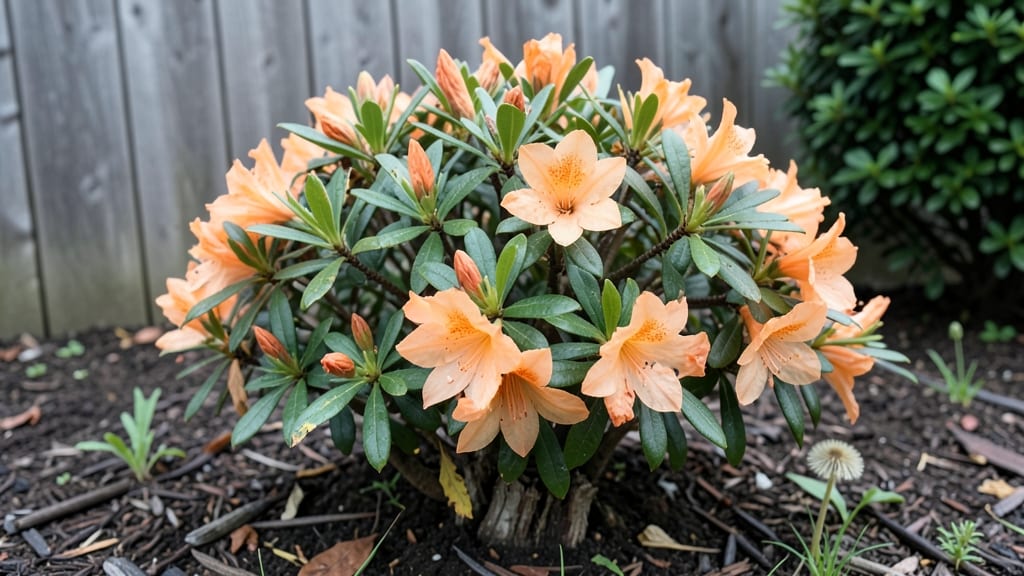
Growing an orange azalea plant transforms shady corners into vibrant bursts of color. 🌿 I’ve nurtured these fragrant beauties for years, and they’ve taught me how to coax life from spots where other flowers struggle.
The key lies in mimicking their natural woodland habitat—moist, acidic soil and dappled light that keeps their leaves lush while protecting their delicate blooms.
These plants thrive with 3-5 hours of morning sun and afternoon shade, making them perfect for under trees or north-facing patios. Varieties like Rhododendron 'Girard’s Orange' or 'Orange Rocket' produce clusters of fiery blooms that last for weeks, filling the air with a sweet, honey-like scent.
Just avoid soggy soil—their roots rot faster than you’d think.
With the right care, your azalea will reward you with bold orange blooms that turn heads and hummingbirds that can’t resist. Prune lightly after flowering to shape the plant, and feed with acid-loving fertilizer in early spring.
The first year is about establishing roots; by year two, you’ll have a showstopper that outshines any sun-loving shrub.
Even in partial shade, these plants deliver neighbor-jealousy levels of color—just watch for yellowing leaves (a sign of overwatering) or bud drop (often caused by late-season heat). A little attention to their preferences, and you’ll have a fragrant, blooming centerpiece that works harder than any high-maintenance annual.
📚 In This Guide
- What you need
- Instructions
- Tips and common mistakes
- Wrapping up and next steps
What you need
- ● Orange azalea plant: 1 healthy nursery-grown specimen (choose a Rhododendron variety like 'Girard’s' or 'Hino Crimson' for bold orange blooms).
- ● Well-draining acidic soil: 5–10 gallons of peat moss, pine bark, or a pre-mixed azalea/camellia soil blend (pH 4.5–6.0).
- ● Container or planting hole: For pots: 1–2 gallon container with drainage holes (terracotta or plastic).
- ● For in-ground: Hole twice as wide as the root ball, amended with soil.
- ● Organic mulch: 2–3 inches of pine straw, pine bark fines, or leaf mold to retain moisture.
- ● Watering can or hose: With a gentle spray nozzle (azaleas hate soggy roots!).
- ● Fertilizer: 1–2 tbsp of acid-loving plant fertilizer (e.g., Miracid or Oscozorb) or fish emulsion (diluted per label).
- ● Slow-release fertilizer spikes: 1–2 for potted azaleas (applied in spring).
- ● Soil pH test kit: To monitor acidity levels (aim for below 6.0).
- ● Plant supports: 1–2 bamboo stakes or coco fiber ties if your azalea grows tall.
- ● Shade cloth: Lightweight (30–50%) for seedlings or hot climates.
- ● Decorative rocks or moss: For a polished, woodland-garden look.
Step-by-step guide to planting and caring for orange azaleas
Here’s how to grow vibrant orange azaleas that burst with fragrance and thrive even in shady spots.
🌱 Step 1: Choose the Right Location and Prepare the Soil
Orange azaleas love partial shade—think morning sun with afternoon shade or dappled light under trees. Avoid harsh afternoon rays, which can scorch delicate blooms. I always test the soil first: azaleas crave acidic soil (pH 5.0–6.0). If your soil isn’t naturally acidic, amend it with 2–3 inches of peat moss or pine needles mixed into the top 12 inches of soil. This mimics their natural woodland habitat.
Dig a hole twice as wide as the root ball but no deeper. Gently loosen the roots if they’re circling—this encourages outward growth. Place the plant so the top of the root ball sits 1 inch above ground level. Azaleas hate sitting too deep, which can cause root rot.
💧 Step 2: Plant and Water Thoroughly
Backfill the hole with the amended soil, pressing lightly to remove air pockets. Water immediately after planting to settle the soil and eliminate gaps. Use 1–2 gallons of water per plant, enough to soak the root zone deeply. You’ll know it’s right when water drains out the bottom of the hole.
Mulch around the base with 2–3 inches of pine bark or wood chips, keeping it 3 inches away from the trunk to prevent rot. Mulch retains moisture and mimics the forest floor azaleas prefer. Avoid synthetic mulches—they can alter soil pH over time.
☀️ Step 3: Maintain Consistent Moisture and Fertilize Lightly
Azaleas need consistent moisture but hate soggy roots. Water once a week in dry spells, aiming for 1 inch of water per week. Check soil moisture by sticking your finger 2 inches deep—if it’s dry, water again. Overwatering is the fastest way to kill these beauties.
Fertilize once in early spring with an acid-loving plant fertilizer (look for high phosphorus like 10-10-10). Too much fertilizer leads to lush foliage but fewer blooms. I skip summer feeding—azaleas go dormant in heat, and extra nutrients just stress them.
✂️ Step 4: Prune After Blooming and Watch for Pests
Prune right after flowers fade (late spring) to shape the plant and encourage next year’s blooms. Cut back spent flower stems to the nearest bud or leaf junction. Avoid heavy pruning—azaleas bloom on old wood, so aggressive cuts reduce next year’s flowers.
Keep an eye out for lace bugs or spider mites, which love azaleas. I spray with neem oil at the first sign of yellowing leaves or webbing. Aphids? Just blast them off with a strong stream of water. Healthy azaleas rarely get pests, but stress invites trouble.
⏰ Step 5: Winter Care for Long-Term Health
Azaleas are tough but benefit from winter protection in colder zones. Mulch heavily (4–6 inches) around the base in late fall to insulate roots. In Zone 5 or colder, wrap young plants with burlap to shield them from harsh winds. Evergreens nearby help break wind, too.
Skip winter fertilizing—azaleas rest during cold months. Resume watering lightly in early spring (when soil thaws) to wake them up gently. You’ll see fresh growth within 2–3 weeks, signaling it’s time to feed and prune.
Tips & tricks for perfect orange azalea plant care
A few key strategies will help your orange azaleas thrive and reward you with stunning blooms year after year.
Soil Preparation Secret: Testing your soil's pH before planting is non-negotiable. I've seen azaleas struggle in soil with pH above 6.0—even when everything else seems perfect. For accurate results, use a digital pH meter rather than test strips, which can be less precise. If you're amending soil, mix 2-3 inches of peat moss or pine needles into the top 12 inches of soil and water thoroughly to help it settle. This mimics their natural acidic forest floor environment perfectly.
Planting Depth Matters: The 1-inch elevation above ground level for the root ball isn't just a suggestion—it's critical for preventing root rot. I learned this the hard way after losing two azaleas planted too deeply. When backfilling, press lightly to remove air pockets, but don't compact the soil too firmly. The roots need room to breathe and establish themselves properly in their new home.
Watering Wisdom: That 1-2 gallons per plant immediately after planting isn't just about settling the soil—it's about creating a proper root zone. Water until you see drainage from the bottom of the hole, which ensures the roots make contact with moist soil all around. For ongoing care, the 1-inch weekly watering guideline works best when checked at 2 inches deep—this prevents both underwatering and the dreaded overwatering that leads to root rot. A moisture meter makes this check effortless.
Pruning Precision: When pruning spent blooms in late spring, always cut back to the nearest bud or leaf junction. This might seem like a small detail, but it's what encourages those vibrant orange blooms next season. I've noticed that azaleas pruned too aggressively often produce fewer flowers the following year—these plants bloom on old wood, so be gentle. Remove only what's necessary to maintain shape and air circulation.
Pro Tips for Orange Azalea Plant
- A few key strategies will help your orange azaleas thrive and reward you with stunning blooms year after year.
- Soil Preparation Secret: Testing your soil's pH before planting is non-negotiable.
- Planting Depth Matters: The 1-inch elevation above ground level for the root ball isn't just a suggestion—it's critical for preventing root rot.
Frequently asked questions
Got questions about growing and caring for your orange azalea plant? You’re not alone! Here are some of the most common queries—plus quick, practical answers to keep your shade-loving beauty thriving.
How often should I water my orange azalea?
Water your orange azalea consistently—about 1-2 inches per week, depending on your climate. Avoid soggy soil (root rot is a risk!) but don’t let it dry out completely. Mulch helps retain moisture. In hotter months, check soil moisture daily; in cooler seasons, weekly watering usually suffices.
Why aren’t my orange azalea blooms as vibrant as last year?
Faded blooms often signal nutrient deficiency or stress. Feed your plant in early spring with an acidic, slow-release fertilizer (like 8-3-9 or 10-10-10). Also, check for over-pruning—azaleas bloom on old wood, so trim only after flowering. Too much sun or drought can also dull colors.
Can orange azaleas survive in full shade?
Yes! Unlike some azaleas, orange varieties often tolerate partial to full shade (3–6 hours of sunlight daily). However, too little light can reduce blooms. If your plant looks leggy, gradually introduce dappled sunlight (e.g., near a sheer curtain or under tall trees). Avoid harsh afternoon sun in hot climates.
How do I prune my orange azalea for more flowers?
Prune right after blooming (late spring) to shape the plant and encourage next year’s flowers. Use clean, sharp shears to trim only dead or overgrown branches—never cut into old wood. Avoid heavy pruning; azaleas bloom on last year’s growth. For a bushier look, lightly trim new growth in early summer.
Are there any natural pest controls for azalea pests?
Common pests like lace bugs, spider mites, or azalea bark scale can stress your plant. Try these gentle fixes:
- Neem oil spray (mix 1 tbsp neem oil + 1 tsp mild soap + 1 quart water).
- Blast off pests with a hose (gentle pressure).
- Introduce beneficial insects like ladybugs or lacewing larvae.
- For severe infestations, use insecticidal soap (follow label instructions).
Wrapping up and next steps
Growing an orange azalea plant is a rewarding way to bring vibrant color and intoxicating fragrance to your shade garden—even if you're new to gardening! 🌸 With the right soil, sunlight, and care, these stunning blooms will thrive and become the star of your outdoor space.
Whether you're planting from seeds, cuttings, or a nursery-grown shrub, remember that patience and consistency are key.
Now that you’re armed with the knowledge to nurture your azalea, take the next step: grab your gardening gloves, pick a sunny spot (or partial shade), and get planting! Watch your garden transform with these cheerful, fragrant blooms—you’ve got this! 🌿✨