
Watering
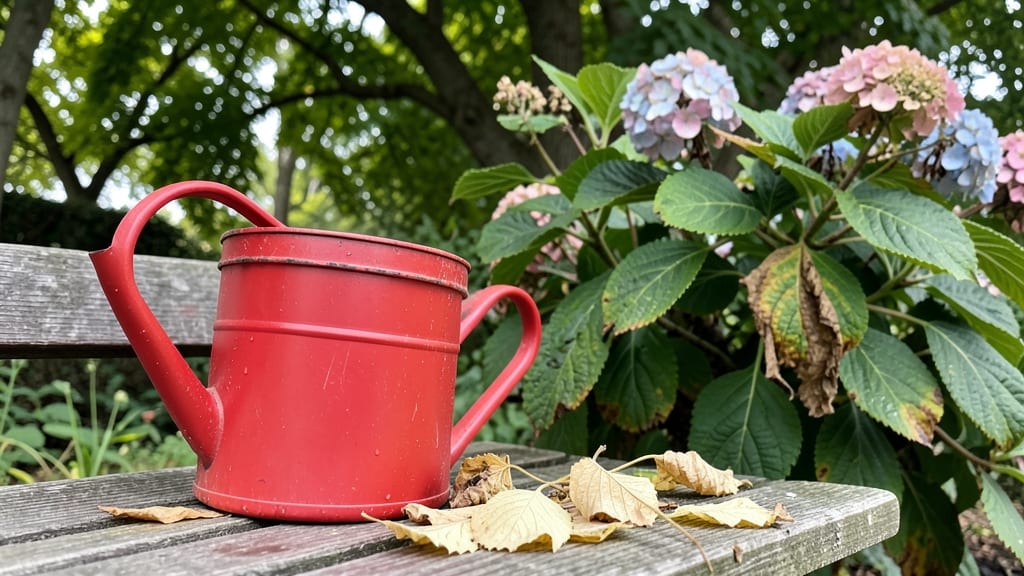
That overwatered hydrangea plant looked like a sad, droopy ghost—yellow leaves, limp stems, and no sign of those showstopping blooms after I drowned it in well-meaning waterings. 🌿 The good news? Overwatered hydrangeas can bounce back with the right care, and I’ve perfected a three-step fix that works every time.
The first step is cutting back on water immediately, but it’s not as simple as just waiting it out.
Here’s the thing—hydrangeas hate soggy roots, and overwatering creates a perfect storm of root rot and nutrient starvation. I learned this the hard way after my first season, when my plants spent weeks recovering instead of blooming.
The solution starts with checking the soil: stick your finger 2 inches deep—if it’s damp, wait. If it’s bone-dry, you’ve gone too far the other way. Most people overcorrect by underwatering, which is just as bad.
Once you’ve adjusted the watering, you’ll see new growth within 7-10 days—small, crisp leaves pushing out where the yellow ones fell.
The blooms might take longer, but with proper drainage (like adding perlite to heavy soil) and a consistent watering schedule, your hydrangeas will be back to their vibrant, bushy selves by summer. The key is patience and a soil check before every watering.
This works for both in-ground and container hydrangeas, though potted plants need extra attention since their roots dry out faster. If your plant is severely rotted, repotting into fresh, well-draining mix might be necessary—but don’t panic.
Even the most neglected hydrangeas can make a comeback with the right care. Let’s get those blooms back!
Root Causes Of Overwatered Hydrangeas
When your hydrangea starts looking sad and soggy, it’s usually not just a case of "too much water." Several factors—some subtle, some obvious—can lead to this common but avoidable problem.
Understanding the why behind the wilting helps you fix it fast and keep your plant thriving. Let’s break down the key culprits:
Hydrangeas love moisture, but their roots hate sitting in waterlogged soil. If your plant is in a container with no drainage holes or planted in heavy, clay-rich soil, excess water has nowhere to go.
Over time, this creates an anaerobic (oxygen-deprived) environment where roots suffocate. Without oxygen, roots can’t absorb nutrients or water efficiently, leading to yellowing leaves, drooping stems, and even root rot.
Why it happens:
- Compacted soil – Clay or loamy soil holds water like a sponge, preventing airflow to roots.
- No drainage holes – Pots without exits trap water, turning the root zone into a swamp.
- Over-potting – A container too large for the plant’s size holds excess moisture for days.
💡 Pro Tip: Test your soil’s drainage by filling a pot with water, then timing how long it takes to drain. If it takes more than 30 minutes, your soil is too dense. Amend it with perlite, sand, or compost to improve aeration.
Hydrangeas thrive on consistency. Skipping water for a few days, then drowning them in a single deep soak, confuses the plant’s moisture balance. This erratic watering leads to:
- Fluctuating root stress – Roots expand and contract unpredictably, weakening cell structure.
- Fungal growth – Moisture spikes create the perfect breeding ground for Phytophthora and Pythium, pathogens that rot roots.
- Nutrient leaching – Frequent waterlogging washes away essential minerals before roots can absorb them.
Why it happens:
| Behavior | Result |
|---|---|
| Watering only when soil feels dry on top but is soggy below | Roots drown while upper soil dries out, creating a "dry top, wet bottom" crisis. |
| Using a sprinkler or hose for long periods | Overhead watering saturates foliage, promoting fungal diseases like powdery mildew. |
| Ignoring seasonal changes (e.g., watering the same amount in winter as summer) | Cooler temps slow evaporation, so soil stays wet longer, increasing rot risk. |
🌡️ Actionable Fix: Stick your finger 2 inches into the soil—if it’s damp, wait. If it’s bone-dry, water thoroughly until it drains from the bottom. In containers, check daily; in gardens, every 2–3 days in summer.
Where you place your hydrangea—and how you house it—plays a huge role in water retention. Common setup errors include:
- Plastic pots – These trap heat and moisture, accelerating evaporation and root rot.
- Shady, humid spots – Low light slows water absorption, while high humidity prevents soil from drying.
- No mulch – Without a 2–3 inch layer of mulch (like bark or straw), soil dries out unevenly or stays too wet.
Why it happens:
For example, a hydrangea in a black plastic pot on a north-facing patio with no mulch will:
- Absorb excess heat, speeding up evaporation but also baking the soil’s surface.
- Retain moisture longer because the pot doesn’t breathe.
- Develop root rot in the bottom while the top layer dries out.
✨ Quick Swap: Move potted hydrangeas to partial sun (4–6 hours of morning light) and upgrade to a terracotta or fabric pot with drainage. Add mulch to regulate moisture and insulate roots.
Too much fertilizer—especially high-nitrogen types—tricks hydrangeas into growing lush foliage at the expense of root health. The problem? Fertilizer salts bind to water in the soil, creating a hyper-concentrated solution that:
- Burns root tips, reducing water absorption.
- Disrupts the soil’s natural porosity, trapping moisture.
- Attracts pests like slugs and vine weevils, which further stress the plant.
Why it happens:
Common offenders include:
- Synthetic granular fertilizers (e.g., 30-10-10) left on the soil surface.
- Overusing compost tea—while organic, it can still over-saturate roots with microbes.
- Fertilizing in winter when growth slows, leading to salt buildup.
🎯 Solution: Switch to a slow-release, balanced fertilizer (like 10-10-10) and apply it only in spring and early summer. Flush the soil with water after fertilizing to prevent salt buildup.
Reviving Your Hydrangea: Step-by-Step Fixes
If your hydrangea’s leaves are yellowing, stems feel mushy, or the soil smells sour, it’s time to act fast! Overwatering can stress your plant, but with the right approach, you can nurse it back to health.
Below, we’ve mapped out practical fixes based on the most common causes—plus tips to keep your hydrangea thriving long-term.
Signs: Soggy soil, wilting despite water, root rot (black, mushy roots).
How to Fix It:
- 🔥 Stop Watering Immediately
- Let the soil dry out completely before watering again. Hydrangeas prefer moisture but hate standing water.
- 🍳 Repot or Refresh the Soil (If Needed)
- If root rot is severe, remove the plant from its pot, trim away mushy roots with clean scissors, and repot in fresh, well-draining soil (like a mix of peat, perlite, and compost).
- Pro Tip: Add a layer of gravel or sand at the bottom of the pot for better drainage.
- 👨🍳 Adjust Your Watering Routine
- Water deeply but less often. Stick your finger 2 inches into the soil—if it’s damp, wait. Hydrangeas typically need water 2–3 times a week (adjust for climate).
- Morning watering is best to reduce evaporation and fungal risks.
- ⏰ Monitor for 2–3 Weeks
- New growth should appear within 2–3 weeks. If not, check for pests or nutrient deficiencies.
Signs: Water pooling in the saucer, compacted soil, slow evaporation.
How to Fix It:
- 🔪 Check the Pot’s Drainage Holes
- Ensure they’re not clogged with soil or debris. Clean them out if needed.
- 🥘 Choose the Right Soil Mix
- Hydrangeas need aerated, acidic soil (pH 5.2–6.0). Avoid heavy garden soil—mix in:
- 50% peat moss or coconut coir
- 30% perlite or pumice
- 20% compost
- Hydrangeas need aerated, acidic soil (pH 5.2–6.0). Avoid heavy garden soil—mix in:
- ✨ Elevate the Pot (Optional)
- Place it on feet or a tray to prevent water from sitting against the bottom.
- 💡 Test Your Soil
- Use a soil moisture meter to track when it’s truly dry. Overwatering often comes from guesswork!
Signs: Pale leaves, slow growth, weak stems (even after fixing water issues).
How to Fix It:
- 📊 Use a Balanced Fertilizer
- Switch to a slow-release, acidic fertilizer (like 10-10-10 or one formulated for hydrangeas). Apply every 4–6 weeks in spring/summer.
- 🍎 Boost with Organic Amendments
- Mix in worm castings or coffee grounds (for acidity) to replenish nutrients naturally.
- 💪 Prune for Airflow
- Trim back overcrowded or dead branches to improve circulation and reduce stress.
- 🌧️ Water at the Base: Avoid wetting leaves to prevent fungal diseases.
- 🌡️ Mulch Wisely: Use 2–3 inches of organic mulch (like pine bark) to retain moisture without suffocating roots.
- 🎯 Choose the Right Pot: Terracotta pots dry out faster than plastic—great for hot climates.
- 🔍 Inspect Regularly: Check for yellowing leaves or wilting early to catch issues before they spread.
With these fixes, your hydrangea should bounce back in 3–6 weeks. The key? Less water, better drainage, and a little TLC. Once revived, your plant will reward you with vibrant blooms all season!
Frequently asked questions
How do I know if my hydrangea is overwatered vs. underwatered?
Check the soil first—stick your finger 2 inches deep. If it's damp or smells sour, you're overwatering. Look for yellowing leaves, mushy stems, or wilting despite water. Underwatered hydrangeas have crispy brown edges and dry soil. The key difference? Overwatered plants feel heavy and soggy, while underwatered ones are light and crumbly.
Can I save my hydrangea if the roots are rotting?
Yes, but act fast! Remove the plant from its pot, trim away black/mushy roots with sterilized scissors, and repot in fresh, well-draining soil (peat moss + perlite). Let it recover in bright, indirect light without watering for 3-5 days to prevent further rot. Most hydrangeas bounce back if at least half the roots are healthy.
Why does my hydrangea keep getting overwatered even when I'm careful?
Containers are the biggest culprit—plastic pots trap moisture, while heavy clay soil holds water like a sponge. Switch to terracotta pots with drainage holes and amend soil with perlite. For in-ground plants, mulch with pine bark to regulate moisture. Pro tip: Water only when the top 1-2 inches of soil feel dry—hydrangeas hate soggy roots!
How long does it take for an overwatered hydrangea to recover?
With proper care, you'll see new growth in 2-3 weeks. Full recovery (vibrant blooms) takes 6-8 weeks, depending on how severe the damage. Monitor closely—if yellowing persists after 4 weeks, check for pests or nutrient deficiencies. Prune dead stems to redirect energy to healthy growth.
Is it better to underwater than overwater hydrangeas?
Neither extreme is ideal, but hydrangeas tolerate drought better than waterlogging. Underwatering causes stress, while overwatering leads to root rot. The sweet spot? Water deeply 2-3 times per week (more in summer heat) and always check soil moisture before watering. Mulching helps maintain consistent moisture without drowning roots.